
Restoring Blue Color in Blue Spruce: Genetics, Light, and Nutrition
A Prince Edward Island landscapers client has a blue spruce losing its blue coloration. Soil is low in selenium and lime. Primary Factors Genetics: Blue intensity is genetically fixed; seed-grown trees vary wildly Ligh

Norway Pine Needle Drop: Normal vs. Problematic
25-year-old Norwegian pines (Pinus resinosa) on Lake Eries north shore show heavy browning. Owner applied aged manure and heavy watering. Normal Annual Needle Drop Pines retain 2–3 needle age classes Oldest (interior)
Trenching Through Mature Conifer Root Zones for Sewer Installation
A driveway row of 8–10 diameter western red cedar (Thuja plicata) and Douglas fir (Pseudotsuga menziesii), spaced 12–18 apart, 5–12 ft from house on a 45° slope, requires a 4–5 ft deep sewer trench. Root System Facts R
Alaskan Weeping Cedar Placement Near Foundations
Homeowner wants to plant Chamaecyparis nootkatensis Pendula near a house corner. Mature Dimensions Height: 25–30 ft (up to 80+ ft in native habitat) Spread: 10–15 ft (branches 5–7.5 ft from trunk) Foundation Risk Ass
Newly Planted Leyland Cypress Browning in 100°F Heat
Ten 6-foot Leyland cypresses planted 2 months ago show basal browning in 100°F+ temperatures. Owner questions watering frequency. Watering Protocol for Establishment Method: Pan test—sprinkler until 1 collected Frequen
Blue Point Juniper Decline in New Mexico: Water Management Failure
Three Blue Point junipers in Rio Rancho, NM (full sun, high wind) declined after June heat—foliage turned dry, crunchy, then brown despite daily watering. Diagnosis: Overwatering, Not Underwatering Daily watering preve
Cupressus sempervirens 'Glauca' vs. 'Stricta': Key Differences
Both are Italian cypress cultivars but differ in foliage color, cold hardiness, and growth habits. Glauca (Blue Italian Cypress) Height: 25–40 ft Spread: ≤3 ft Foliage: Blue-green, scale-like Form: Tight columnar, tele
Mulching Mature Blue Spruce: Unnecessary for Established Trees
A 30-foot blue spruce on a slope in Southern Ontario experienced summer drought. Owner considers mulching. Why Mulch Isnt Needed Root system fully established after decades Roots extend 1.5× branch spread (18–22 ft rad
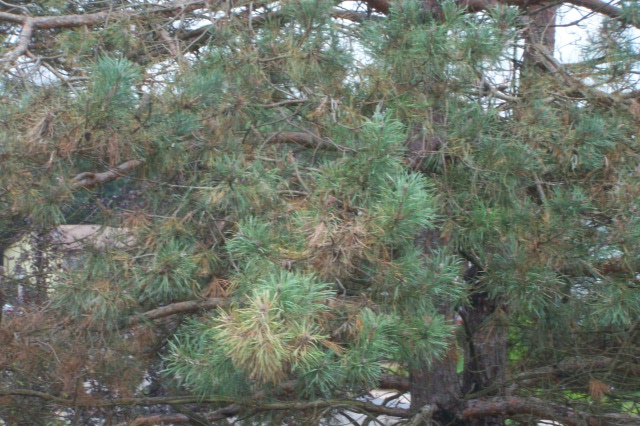
Scots Pine Needle Blight: Questioning Soil Injection Treatment
A 40-foot Scots pine shows orange needles in no pattern. An arborist proposes expensive soil-injected fungicide with 50/50 success odds. Likely Diagnosis: Brown Spot Needle Blight Caused by Scirrhia acicola. Symptoms ma
Selecting Low-Root-Impact Trees for High Desert California
A Pinon Hills, CA homeowner (high desert, zone 8b/9a) needs shade/privacy trees after removing pines that damaged hardscapes and dropped sap. Ash allergy eliminates Fraxinus species. Selection Criteria Non-invasive roo
Pencil Pine Planting Space: 20 Inches Is Insufficient
A gardener plans to plant pencil pines (Cupressus sempervirens Stricta or Glauca) in a 500mm (20-inch) wide bed between a pool and retaining wall. Root Space Reality Roots extend 1.5× branch spread Mature width: 3–5 fe
Maintaining a Centenarian Oak: Fertilization and Expert Selection
A 100+ year old oak in good health needs proactive care to sustain vigor. Annual Fertilization Formula: 10-10-10 balanced Rate: 1 lb per inch trunk diameter Placement: Under branch drip line, not within 2 ft of trunk T
Transplanting a 6-Foot Leyland Cypress in May: Virginia Guidelines
A Virginia homeowner wants to move a 6-foot Leyland cypress 40 miles in May after heavy rains. Optimal Timing Best: Early fall (6+ weeks before ground freeze) or early spring. May is acceptable only if planted immediate
Cedar Hedge Fertilization and Pruning Schedule for Quebec Climate
A Quebec homeowner seeks precise timing for fertilizing and pruning an 8–9 foot cedar hedge (Thuja occidentalis) with uneven height development. Growth Cycle in Cold Climates Major flush: Spring (May–early July) Contin
Diagnosing Leyland Cypress Decline: Spittlebugs vs. Spider Mites vs. Canker
A Leyland cypress hedge shows spittlebug foam and browning branches. The owner has sprayed water and used insecticidal soap without lasting success. Spittlebugs: Minor Nuisance White frothy masses protect nymphs Rarely
Wind Stability of Mature Norway Spruce Near Structures
A Chicago homeowner worries that six 55-year-old Norway spruces, 5 feet from a garage, might fall in high winds despite apparent health. Species Wind Resilience Norway spruce (Picea abies) is exceptionally wind-firm, to
Controlling European Pine Sawfly on Mugo Pines
Bright yellow worms stripping needles from mugo pines are European pine sawfly larvae—not true caterpillars, but hymenopteran larvae that feed gregariously. Life Cycle & Identification Overwinter as eggs in needle slit
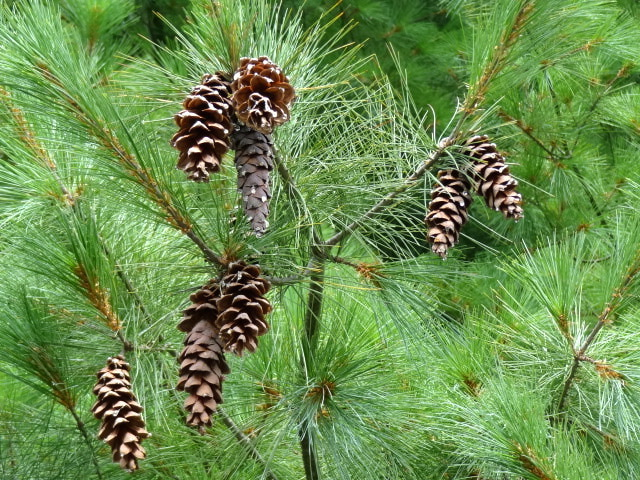
Borer Infestation in a Mature Pine: Treatment and Wound Management
A golf-ball-sized hole with recurring sawdust at the base of a large pine near Atlantic City indicates wood-boring insect activity, likely a borer species. Why Household Sprays Fail Common insecticides dont penetrate wo
Renovating an Overgrown Cedar Hedge: The 1/3 Rule
A homeowner seeks to straighten a neighbors overgrown cedar hedge by cutting back into old wood, but conifers dont regenerate from bare stems like deciduous plants. The Dead Zone Principle Cedars (Thuja spp.) have an in
Managing a Mature Star Pine Near a House Foundation
A 40-foot star pine (Araucaria heterophylla) towering over a San Diego home has roots slowly lifting a concrete walkway. The owner receives conflicting advice from tree services. Why Not to Prune Unlike broadleaf trees,
Copyright © www.100flowers.win Botanic Garden All Rights Reserved