
Lipan Crape Myrtle for San Diego Driveway: Dimensions, Bloom, and Placement
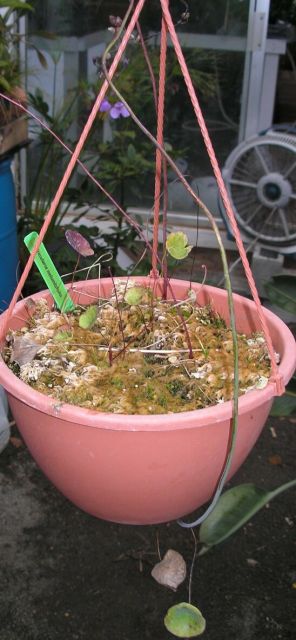
Lipan Crape Myrtle Specs Height: 10–12 ft (not 20 ft as hoped). Spread: 6–8 ft. Bloom: Lavender, late June–mid August (~100 days). Bark: White exfoliating (ornamental winter feature). Mildew resistance: High. Zone: 7–10

Cedar Hedge Top Dieback: Grafting Not Viable, Replacement Recommended
Grafting Conifers = Low Success Field grafting mature cedars onto decapitated trunks rarely takes. Cambial alignment is difficult; desiccation risk high. Not a practical solution. Option A: Cut Top, Train New Leader Cu
Japanese Maple Root Damage from Sewer Excavation: Damage Assessment and Monitoring
Hole vs. Trench: Critical Difference A 2×3 ft hole 5″ from trunk at 4 ft depth = localized root loss. Trees tolerate ≤30% root zone disruption if not continuous. Damage Calculation Imagine circle at drip line. Hole area
Leaning 60-Foot Pine Near Power Lines: Hazard Assessment and Utility Options
Two Lean Types – Critical Distinction Natural lean: Gradual, corrected upper stem vertical, no root plate movement. Tree adapted over decades. Unnatural lean: Recent, upper stem leaning, soil cracking, root heaving. Act
Cutting White Pine Boughs for January Wedding: Timing and Storage
Cut Close to Event Pine boughs out of water last 1–2 weeks max (depending on indoor humidity). Cutting now (November) = brown, shed needles by January. Best Practice Cut 2–3 days before wedding. Shake off snow outdoors
Dwarf Cork Bark Fir Interior Needle Drop: Normal Seasonal Shedding
Its Not a Problem All conifers carry two needle age classes. The older (inner) set browns and drops annually—usually in fall, sometimes spring. This is normal physiology, not disease. Diagnostic Checklist ✅ Outer/new g
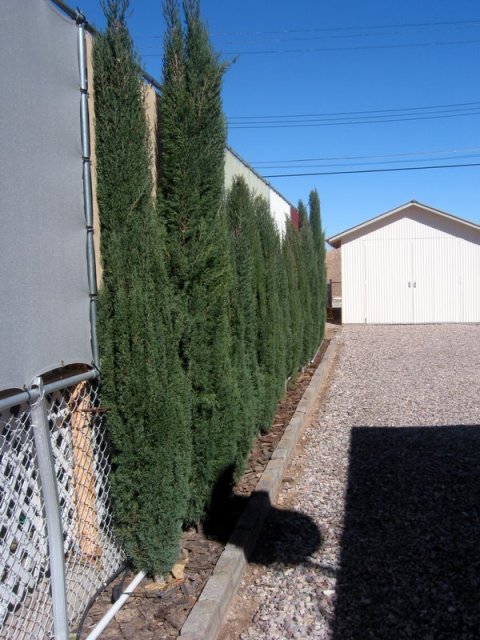
Mediterranean Cypress in Arizona Desert: Space Constraints, Mulch Issues, and Wind Stability
Fundamental Space Problem Italian cypress (Cupressus sempervirens) mature width: 5 ft (up to 8 ft). Root spread: 1.67× canopy = 7.5+ ft radius. Your 2-ft wide bed = physically impossible for long-term stability. Mulch C
Pruning Mature Spruce Along Driveway: Winter Timing and Lateral Branch Technique
Timing: Late Winter/Early Spring = Now Dormant season pruning minimizes sap loss and stress. Before new growth emerges. Step-by-Step Remove diseased/dead branches (discoloration, no needles) → cut to trunk. Retain brow
Storm-Damaged Scots Pine: Cavity Management and Long-Term Safety
Pine Resin = Natural Wound Sealant Scots pine (Pinus sylvestris) exudes copious sap that seals wounds and inhibits decay fungi. This is a major advantage over hardwoods. Immediate Action Clean ragged stubs to smooth wo
Horses Chewing Pine Trees: Bark Protection and Nutritional Causes
Damage Assessment by Tree Size Small trees (terminal bud eaten): Often fatal. Protect with cages. Large trees (bark stripped): Pines exude sap, seal wounds. Survive unless girdled (bark removed full circumference). Ph
Neighbor's Pine Trees Shading Your Pool: Legal Rights and Root Management
Property Line Rights Few regulations on planting distance from property lines. HOA rules may apply—check your covenants. You may legally prune branches crossing your property line (vertical plane). Pruning Reality Pru
First-Year Fertilizing of Thuja Green Giant and Junipers: When and Why to Wait
General Rule: Skip Year One Newly planted trees need root establishment. Fertilizer (especially nitrogen) forces top growth the compromised root system cant support → stress, burn, dieback. Exception: Sandy, Infertile S
Thuja Green Giant in Austin: Not a Shade Tree, But a Great Screen
Classification Correction Green Giant (Thuja plicata × standishii) is a screening/hedge conifer, not a shade tree. Shade trees have broad, spreading canopies (oaks, maples, elms). Green Giant Dimensions Height: 20–30 f
Mature Blue Italian Cypress Roots vs. Retaining Wall: 35-Year Assessment
Proximity = Pressure Over Time 12″ from wall for 35 years: roots have thickened against the structure. ½″ bow at base of one tree confirms pressure. Adaptation Possibility Wall movement only ½″ in 35 years suggests root
Pine Pollen Cones: The "Reddish Orange Banana-Shaped" Structures Explained
Male Pollen Cones (Microstrobili) What youre seeing are male pollen cones—not seeds, not buds, not needles. They appear in spring, release pollen, then drop. Pine Reproductive Biology Male cones: Small, soft, colorful
Italian Cypress Winter Burn Recovery on Tennessee Slope: Water, Fertilizer, and Patience
Diagnosis: Cold Desiccation, Not Death Record cold + wind on 35° slope = frozen soil + transpiring foliage = needle burn. Trees at elevation limit (Signal Mountain) are marginally hardy. Immediate Care (Spring) Water 1
Dwarf Blue Spruce Dead Branch Pruning: Technique and Regrowth Expectations
Prune Dead Wood Anytime Remove dead branches back to the main stem (trunk) whenever noticed. This prevents disease entry and improves appearance. No Regrowth at Cut Point Conifers dont resprout from old wood. The gap wi
Transplanting Spruce & Pine in Manitoba: No Starter Fertilizer, Focus on Root Ball
Skip Fertilizer at Planting Newly transplanted trees need root establishment, not top growth. Fertilizer (especially nitrogen) stimulates shoots the damaged roots cant support. Critical: Root Ball Integrity Ball: 9–12″
Cedar Stump Removal in Nebraska: Root Depth and Grinding Economics
Root Architecture Lateral roots: 2–4 ft deep. Taproot: 6–10 ft deep. 12″ diameter stump = substantial woody mass. Manual Digging Reality Requires excavating 3+ ft around stump, cutting all laterals, severing taproot d
Small Pine Transplanting in Sandy Soil: Root Depth, Timing, and Technique
Root System of Young Pines Lateral spread: 1.5× branch width. Depth: mostly top 2–3 ft. Taproot: may reach 15–20 ft deep in sand. Transplant Timing Best: Early fall (6+ weeks before freeze). Good: Spring (after decid
Copyright © www.100flowers.win Botanic Garden All Rights Reserved