


Hosta 'Honeybells', hybridized by Cummings-AHS and introduced in 1986, is prized for its intensely fragrant, pale lavender flowers that bloom in late summer—weeks after most hostas have finished. Combined with its glossy, medium-green foliage and vigorous growth, it's a sensory standout.
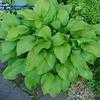

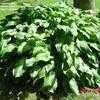
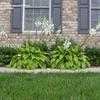
The flowers are the star: large, pale lavender, bell-shaped (hence "Honeybells"), and intensely sweetly fragrant—reminiscent of honeysuckle or freesia. They appear in late August to September on 3–4 foot scapes, extending the hosta bloom season. The fragrance is strongest in evening, making it ideal near patios and windows.
The foliage is attractive but not variegated: glossy, medium green, ovate leaves forming a mound 2 feet tall and 3–4 feet wide. Good substance.
'Honeybells' is vigorous, easy to grow, and tolerant of a range of conditions (morning sun to shade). Rich, moist soil. Hardy in USDA zones 3–9. The late bloom and fragrance make it a unique addition to the hosta palette.
Plant 'Honeybells' where its fragrance can be enjoyed—near seating areas, under bedroom windows, along evening paths. The late bloom extends garden interest into September. A hosta that proves flowers can be as compelling as foliage.
Hosta 'Antioch': Ruh-Hofer's Ancient City Namesake
Knockout Hosta: A Bold Foliage Plant from 1986
Hosta 'Minuteman' – Bold Variegation for Dramatic Shade Accents
Hosta 'Pilgrim' – Elegant Variegation with Gold-to-Cream Transitions
Hosta 'El Capitan' – Bold White Centers on Green Margins
Hosta 'Climax' – Majestic Green Giant for Grand Landscapes
Hosta 'Aureomarginata' – Classic Gold-Margined Hosta montana
Copyright © www.100flowers.win Botanic Garden All Rights Reserved