




Austrocylindropuntia subulata Spine Management: Maturation and Safe Reduction
Why Spines Appeared Juvenile plants often lack spines. Maturation + outdoor exposure (friends garden) triggered spine development—normal species progression. Spine Reduction Protocol Best: Leave them. Spines are functi

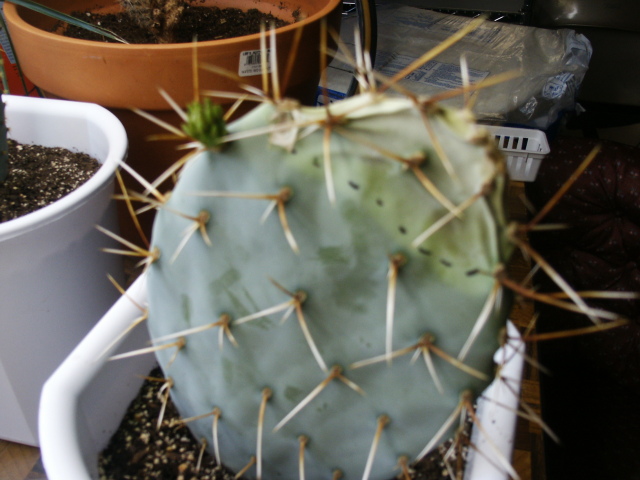
Prickly Pear Pad Propagation: Yellowing Top on Rooted Cutting
Situation 2-month-old rooted pad producing two new pads but original tip yellowing/shriveling (hard, dry tissue). Miracle-Gro mix, watered biweekly (soil dries 3–5 days). Artificial light. Analysis New growth drainin
Cochineal Scale on Large Cacti: Same Pest, Bigger Challenge
Identical Diagnosis White cottony patches on large cacti = cochineal scale. Same tiny black insects, same red dye, same fatal progression if ignored. Treatment at Scale Dish soap + water in pump sprayer (not handheld).
Barrel Cactus Pup Division: Tools, Technique, and Phoenix Timing
Tool Selection by Pup Size Large pups: shovel Medium: sturdy spoon/trowel Small: spatula Separation Technique Insert tool between mother and pup on all sides. Lever gently to sever connecting tissue. Lift pup with ma
Polaskia chichipe Rot: The Overwatering Reality Check
Direct Diagnosis Overwatering. Period. The cacti need lots of water myth kills more plants than anything. They store water; excess causes root fungi → wrinkled stems, discoloration, arm weakness, clear fluid leakage.
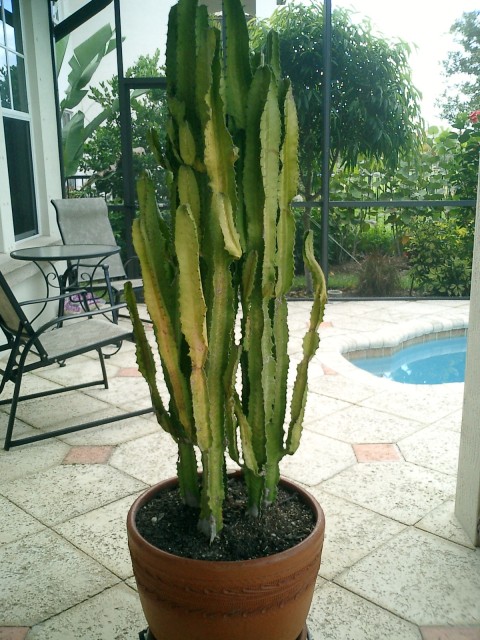
Diagnosing Yellowing Florida Cactus: Overwatering vs. Light Deficiency
Primary Diagnosis: Overwatering Yellowing + red areas = classic root rot from overwatering. Enclosed patio in Florida = high humidity + reduced evaporation. Cacti exploit available water until tissues rupture and fungi
Pruning Peruvian Apple Cactus: Scars, Timing, and Regrowth Reality
Hard Truth: Permanent Scars Cut arms leave permanent callous scars—dry, corky tissue that never reverts to green. The plant wont look attractive by conventional standards after pruning. Regrowth Pattern No regrowth fro
Cochineal Scale on Moon Cactus: Red Dye Confirms Diagnosis
Diagnosis Confirmed Beige seeds on window-side stems = cochineal scale. Squeeze test: red liquid confirms. South Florida climate + open window = perfect introduction vector. Treatment Dish soap + water in spray bottl
Soft Leaf Yucca Maintenance: Trimming, Pups, and Dead Leaf Removal
Trimming Heads/Shoots Safe to trim—no harm to plant. Permanent scars remain (unlike ocotillo). Dead leaf removal: purely cosmetic, no harm. Pup Transplanting Wait until pup has several leaves (still connected to moth
Cochineal Scale on Broadleaf Cactus: Identification and Treatment
Diagnosis White cottony patches = cochineal scale (Dactylopius spp.). Protective coating from tiny black insects. Squeezing releases red dye (historical cochineal dye source). Fatal if unchecked. Treatment Protocol Mix
Moon Cactus (Gymnocalycium) Care Essentials
Quick-Reference Care Card Light: Full sun to bright indirect Water: Drench, then dry completely Humidity: Average home Temperature: House to cool (50°F+) Fertilizer: High phosphorus (bloom formula) Soil: Cactus mix Prop
Totem Pole Cactus Propagation: Joint-Cutting Rules
Absolute Rule: Cut ONLY at Joints Cutting between joints guarantees failure. Each cutting must span from one joint to the next, regardless of length (4 inches or 18 inches). Orientation Is Critical Bottom joint (root e
Emergency Yucca Propagation: From Water to Soil Immediately
Critical Error: Remove from Water NOW Yuccas are succulents—water causes rot. The 1.5-foot section must go into soil immediately. Protocol Remove from water. Clean cut at base (straight, sharp knife). Shade-dry 3–5 day
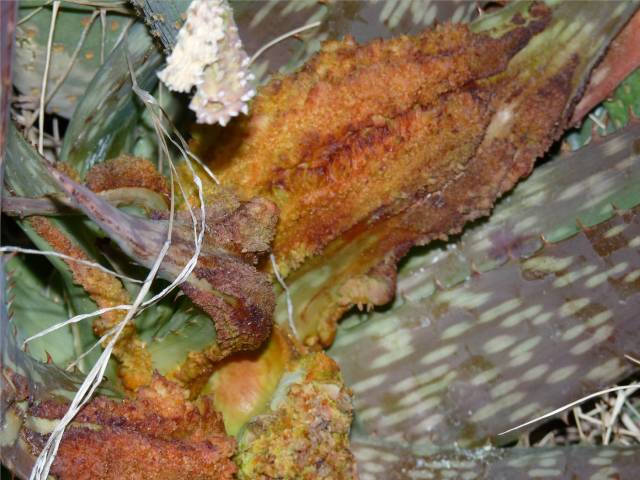
Aloe Saponaria Disease: Crowding and Soil-Borne Pathogen
Serious Condition The hairy, rust/yellow growths at the plant base, spreading across 8+ plants in one bed section, indicate a soil-borne fungal/bacterial disease—not water-related (neighboring cactus is healthy). Imme
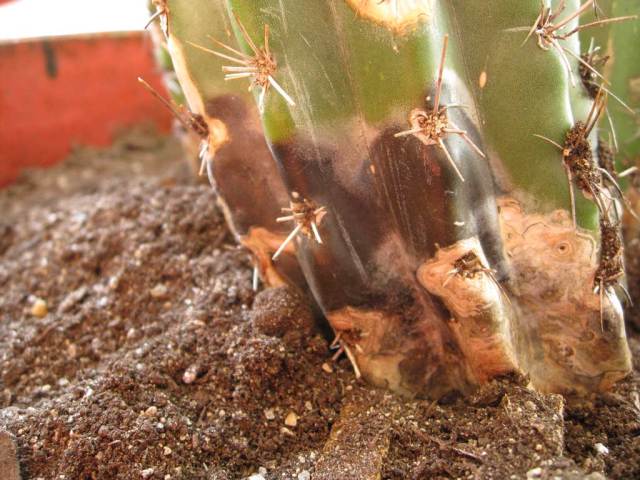
Root Rot After Repotting: Immediate Diagnosis and Correction
Cause: Improper Repotting Technique Two critical errors: Watering immediately after repotting—never do this. Standard cactus soil from big-box stores often retains too much moisture. Correct Repotting Protocol Plan
Complete Care Guide for IKEA Mini Cacti/Succulents
Beyond the Basic Tag IKEAs instructions are correct but incomplete. Heres what you actually need: Watering Water thoroughly when soil is completely dry. If unsure, water 3 days after surface dries. Rock layer: make a s
Pruning and Watering Correction for Transplanted Ocotillo
Pruning Is Safe Unlike cacti, ocotillo (Fouquieria splendens) doesnt scar permanently. New growth emerges from roots, not cut stems. Critical Watering Error Daily 40-minute watering will rot these succulents. They need
Winter Yellowing in Aloe Vera: Overwatering and Fertilizer Errors
Diagnosis Yellow tips = overwatering + winter fertilizing. Aloes are winter-dormant; they need minimal water and zero fertilizer in cold months. Correct Winter Care Sunny location is good—light isnt the issue. Water on
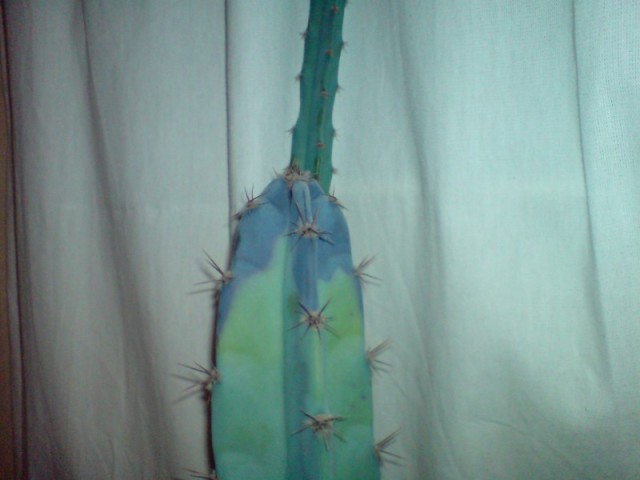
Diagnosing Blue Tips on a Mature Cactus: Light Burn vs. Rot
Initial Assessment Blue tips after 10 years in same location suggest a new stressor. Winter dormancy (Oct–March) means zero watering. Recent watering could initiate rot. Immediate Steps Stop all watering. Mist twice
Saving a Broken Aloe: Base Regeneration and Top Re-rooting
Base Section (With Leaves) Pot in smaller container. Trim some roots. Will fill in nicely from base. Broken Top Section Cut off ~⅓ of the top. Leave ~1 inch of stem. Callous thoroughly. Pot in moistened vermiculite.
Copyright © www.100flowers.win Botanic Garden All Rights Reserved