



Saguaro Base Rot: Animal Damage and Soil Management
40-Foot Saguaro with Basal Holes: Bleach Treatment and Wire Protection Large saguaro in Tucson has black holes at base (fist-sized), continuing around trunk. Builder raised soil 2.5 ft around base. Palms on drip 8 ft awa

Trimming an Overgrown Cactus Safely
How to Thin a Cactus Hanging Over a Walkway Owner wants to trim an overgrown cactus (type unspecified). Guidelines Trim like a tree: cut smaller pieces. Cactus is heavier than wood pound-for-pound; use a hacksaw for wo
Grafting Tiny Echinopsis Seedling After Rot
1-Inch Echinopsis lageniformis Shriveling: Grafting May Be Only Option Tiny cactus shriveling; base brown and dry. Owner cut above rot, asks drying time and conditions (central Australian desert, hot/dry). Advice Such a
Large Rotting Saguaro: Can It Be Saved?
12-Foot Saguaro Rotting from Base: Assessment Needed Saguaro rotting 3–4 feet up from base; looks like it may fall. Owner asks if salvageable. Questions Is it mushy or oozing black fluid? Is there a drip system within
Emergency: Rotting Succulent Stem
Rapid Stem Rot: Cut, Callous, and Replant Healthy Parts Succulent main stalk turning discolored and soft, moving upward, leaves dropping. Owner asks if healthy top sections can be rooted. Action Cut 1–2 inches above di
Beginner's Guide to Outdoor Cactus Planting in the South
Resources for Moving Cacti Outdoors After Living in Ohio New southern resident wants beginner info on types, timing, and methods for planting cacti outside. Recommended Links High Country Gardens Cold Hardy Cacti List
Regrowth After Yucca Branch Break
Yucca Branch Broken 18 Inches from Top: Will It Resprout? 5-foot yucca with three branches; one broke. Lower leaves removed from broken stub. Answer Yes, it should branch from ~5 inches below the break. If not, new shoo
Sudden Wilt in Succulent Alpine Garden
Succulent Garden Wilt: Root Damage from Over/Underwatering Indoor succulent/alpine garden suddenly wilted. Owner suspects cat urine or snails (6–7 removed). Diagnosis Sudden wilting = root damage. Usually too late by th
Diagnosing Brown Streaks on Variegated False Agave
Mystery Plant with Brown Streaks: Need Photo for ID Owner has a variegated false agave (2–3 ft) from Lowes clearance with brown, shriveled streaks in leaves, some sapping, holes along variegation. New pups show same stre
Overwatered Cereus Rescue: Top Cutting and Root Stimulation
Diagnosis: Root Rot from Chronic Overwatering 5-foot cereus, top-down decay = root damage. Cold damage stops at a point; rot progresses. Two-Pronged Approach Root stimulation: Add Superthrive (root hormone) to water at
Flowering Jade Plant Fungus Gnats: Soil-Dwelling Pest Management
ID: Fungus Gnats Small black insects on flower stalks = fungus gnats (Bradysia spp.). Larvae feed on soil fungi/organic matter; adults annoy. Effective Control (Tested) Weekly insecticide spray on all indoor plant soil
Mexican Fence Post Spots: Sunburn vs. Insect Damage
Two Diagnoses by Spot Size Large Spots = Sunburn Cacti thicken south-side skin for UV protection. Nurseries rarely mark orientation. Planted rotated = burned tender tissue. Permanent cosmetic damage only. Small Spots
Mexican Fence Post Storm Break: Replanting Protocol
Immediate Steps for 4-Foot Broken Stem Let broken end heal (callous) 2–3 weeks minimum. Replant 5 inches deep in well-draining soil. Critical: Orient north/south exactly as original. Partial shade during healing/rooting
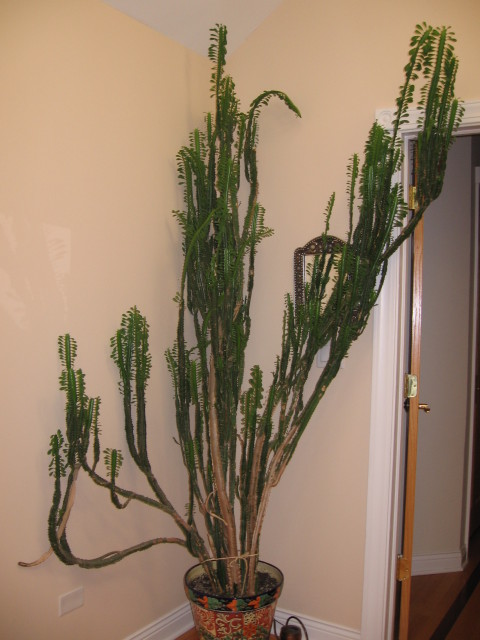
Euphorbia trigona Decline After Repotting: Root Disturbance Recovery
Diagnosis: Repotting Shock 20-year plant, spring repot (10→14, Schultz soil) → vigorous growth → then drooping new tips. Not light (3 skylights, vaulted). Not wrinkling (overwatering sign). Root Cause Transition from
Identifying Blooming Cactus/Succulent: Likely Gymnocalycium mihanovichii
Probable ID Gymnocalycium mihanovichii (Moon Cactus, Ruby Ball, Chin Cactus) — matches stacked bi-lobed red/pink blooms, thorny stems with leaf-like protrusions, heat/drought tolerance. Verification Research all three
Mexican Fence Post Botanical Name: Pachycereus marginatus
Scientific Name Pachycereus marginatus Common Names Central Mexico Pipe Organ (official botanical common name) Fence Post Cactus Organ Pipe Cactus (sometimes confused with Stenocereus thurberi) Reference Detailed pro
Prickly Pear (Nopales) Winter Care in Salem, Oregon
Species Confirmation Nopales = Opuntia (Prickly Pear). Edible pads, yellow flowers. Willamette Valley Protocol 32°F. Inside if: freezing, rain, or snow forecast. Best: refrigerator during cold/wet periods (simulates
Castle Cactus Corking: Normal Healing, Not Disease
Diagnosis: Corking (Healed Injury) Brown bark-like patches = corking—normal healing of scratched/cut/damaged tissue. Not disease. Source Investigation No pets? Check for accidental bumps, tool contact. Inspect closely
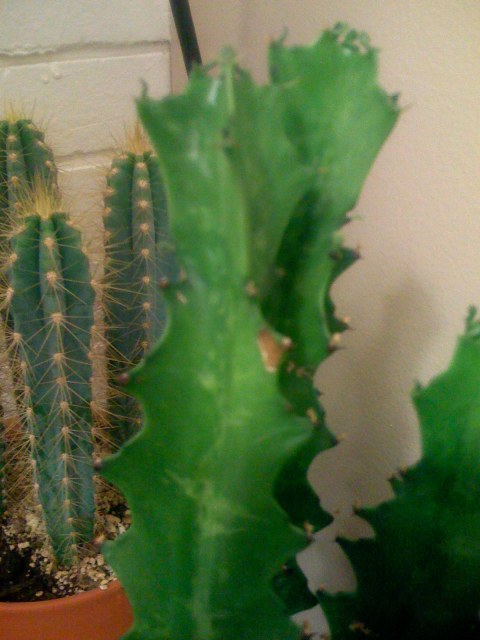
Moon Cactus Brown Spots and Pale Growth: Healing Scars and Light Adaptation
Brown Spots = Healed Damage Bark-like spots = healed scratches/punctures. Causes: stem-to-stem piercing (3 stalks), insects, or accidental contact. Magnify to check for pests. Pale Green New Growth = Normal Only on ne
Brain Cactus Recovery: Overwatering Cycle Broken
Root Cause: Chronic Overwatering Repeated repotting/cutting + thirsty appearance → watering → rot → yellow/mushy → black spots (fungi). Succulents exploit water until they rot. Successful Owner Intervention Cut all bad
Copyright © www.100flowers.win Botanic Garden All Rights Reserved