


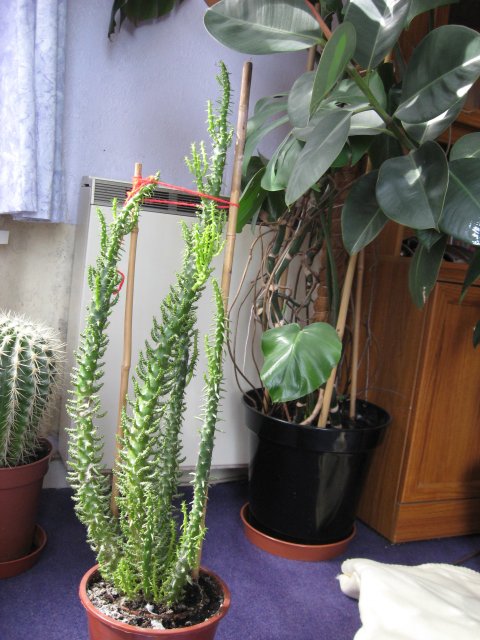
Both show classic light-deficiency stretching:
| Action | Timeline |
|---|---|
| Immediate | Move to brightest indoor location |
| Week 1-2 | Morning sun only (1-2 hours) |
| Week 3-4 | Increase by 1 hour daily |
| Ongoing | Maximum light without burn |
New growth will be compact and strong. Existing etiolated growth remains permanently weakened. Consider propagation from healthy sections for aesthetic specimens.
Companion Plants for Standard Roses in Hot, Dry Australian Summers
Citrus Cold Damage vs. Light Acclimation: Two Diagnoses for Leaf Drop
Identifying Hardy Ice Plant (Delosperma cooperi)
Celosia Plumosa: Grocery Store Flower for Texas Heat
Reviving a Shady, Mossy Lawn in New Jersey: A Step-by-Step Guide
Drosera Intermedia Post-Flowering Decline: Light, Water, and Humidity Needs
Pinguicula primuliflora Flowering Profusely: Normal Behavior
Choosing an RO System for Large Carnivorous Plant Collections
Window Light for Drosera capensis, Nepenthes, and Pinguicula
Companion Plants for Base of Indoor Palm
Why Your Repotted Houseplant Is Losing Leaves: Diagnosis & Rescue
Perennial Recommendations for Southeast Michigan Gardens
Hummingbird and Butterfly Plants: Nectar-Rich Perennials and Shrubs for Western Gardens
Copyright © www.100flowers.win Botanic Garden All Rights Reserved