Organic Grub and Thatch Management: Milky Spore, Nematodes, and Soil Health
Thatch-Grub Connection ½ inch on Kentucky bluegrass harbors grubs. Over-fertilization causes thatch. Grubs may follow thatch, or thatch follows grub damage—either way, fix both. Grub Biological Controls Milky spore (Ba

Late Fall Seeding in Southern Wisconsin: Zone 5a Timing
Zone Check Monroe, WI (near Janesville/Freeport, IL) is USDA Zone 5a. Fall seeding window closed by early October. Current Status Late for seeding. Germination will be slow/poor in cooling soils. High winterkill risk.
Ivy as Groundcover on Slopes: Easy, Beautiful, But Contain It
Why Ivy Works Thrives in your conditions (already growing aggressively). No mowing, fertilizing, or watering once established. Covers slope completely, prevents erosion. Professional landscapers approve. Installation
Seeding on Clay Slopes: Why It Failed and How to Fix It
Clay Wont Grow Grass from Seed Water cant penetrate; roots cant push through. Rye germinated fast (3 days) but died—no root penetration. Second seeding same fate. Fix: Amend, Then Sod Till in 3 inches bark mulch (cedar
Lawn Edge Grading: Soil Below Sidewalk Level Is Ideal
Benefits of Lower Soil Less runoff when watering. Sidewalk guides mower wheels—clean edge, no trimming needed. Topdressing wont spill onto pavement. Soil will naturally rise to sidewalk level over years as roots expand.
Chronic Brown Patches: Chemical Program Failure, Not Uneven Ground
ChemLawn Is the Problem Frequent chemical applications (fertilizer, herbicide, insecticide) destroy soil biology. Brown patches are likely chemical burn or brown patch fungus—both caused by the program itself. Uneven gro
Repelling Squirrels Naturally: Hot Pepper and Garlic Sprays
Cayenne Pepper Barrier Sprinkle cayenne or hot pepper flakes over beds/lawn. Bird feeder trick: mix pepper seeds in seed—birds unaffected, squirrels hate it. Garlic-Pepper Tea (Stronger, Longer-Lasting) Blend 1–2 dri
Sugar on Lawn: Safe for Kids and Pets When Watered In
Ant/Bee Attraction? No. Water sugar in **deeply (6+ inches)** immediately after application. It dissolves and moves into root zone, unavailable to surface insects. Extra Precaution for Stinging Insects Hang fruit slices
Overseeding Fescue on Clay: Aeration, Slit-Seeding, and Amendments
Recommended Sequence Mow low (1–2 inches). Core aerate (hollow tines). Rake up cores (clay plugs smother seed if left wet). Slit-seed (best seed-to-soil contact) or broadcast seed + drag mat. Starter fertilizer (3 lbs/1
High Soil pH from Over-Liming: Damage, Diagnosis, and Recovery
Effects of Excessive Lime Rapid pH spike kills grass (osmotic shock). 7.0) locks up nutrients (iron, manganese, phosphorus)—deficiencies appear. Dollar spot and other diseases exploit stressed turf. Immediate Steps D
New Lawn Fall Care: Organic Start for Long-Term Success
What Organic Means Natural materials (compost, meals, minerals) that feed soil life—not synthetic salts that kill it. No poisons. Builds self-sustaining fertility. Immediate Actions (Fall) Sugar (4 lbs/1,000 sq ft): Br
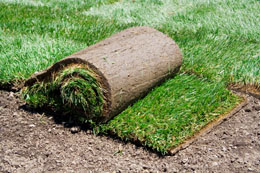
Sod Seams Not Knitting: Fill, Seed, and Water
Critical Step Missed: Rolling Rolling after installation ensures root-to-soil contact. Without it, seams stay open. Fix Now Fill seams with quality topsoil/compost mix. Overseed with matching grass seed. Water daily un
Mixing Grasses: Why Bermuda Doesn't Blend, But Tall Fescue Does
Bermuda: Solo Act Only Bermuda is aggressively competitive. Mixing with Kentucky bluegrass (KBG) creates patchy, weird-looking turf. Even common vs. hybrid Bermuda mixtures are discouraged by turf specialists. Better Pa
Fairy Rings and Mushrooms: Fungal Symptoms of Overwatering and Chemical Damage
What Youre Seeing Light green rings: Fairy ring fungi (basidiomycetes) releasing nitrogen at leading edge. Mushrooms: Fruiting bodies of the same or other fungi. Indicate high moisture and organic matter. Root Causes
Overseeding Bare Patches After Failed Seeding: Timing and Technique
Why It Failed 6 months), Greenview pellets interfering, soil crusting, inconsistent moisture, or compaction. KBG takes 3–5 weeks; rye germinates faster (5–10 days). Overseed Now (Fall) Rake bare areas lightly. Apply se
Establishing a Clover Lawn: A Low-Maintenance Alternative
Simple Approach Seed clover heavily (Dutch white clover, 1–2 lbs/1,000 sq ft) into prepared soil. It will outcompete grass if seeded thickly. Clover fixes nitrogen, stays green in drought, needs no fertilizer, and suppor
Post-Aeration Cleanup: Leave the Plugs, Fertilize Anyway
Plugs Are Fine Left Alone Soil cores (plugs) disintegrate in 1–2 weeks on sandy/loam soils. On clay, they may persist longer—avoid traffic when wet to prevent matting/smothering. Dont Rake—It Damages Grass Raking wet cl
Science Fair: Can Dyed Water Color Grass Blades?
Short Answer: No Grass color comes from chlorophyll (green pigment) produced via photosynthesis. Light absorption/refraction by chlorophyll makes grass appear green. Dyes in water dont change this. Why Cut Flowers Work
Controlling Bermuda Invasion in Fescue: A Difficult Challenge
The Core Problem Bermuda and fescue are both grasses—selective herbicides that kill Bermuda also kill fescue. No chemical solution exists that spares fescue. Management Options Accept a mix: Some lawns transition to Be
Grub Control in Late September: Curative Limits and Spring Prevention
Curative Treatment Now? Limited Effectiveness By late September in northern CT, grubs are larger, moving deeper, and cooler soil reduces pesticide uptake. Carbaryl (Sevin) or trichlorfon (Dylox) may give partial control
Copyright © www.100flowers.win Botanic Garden All Rights Reserved