


Moss on Lava Rock and Landscape Fabric
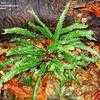
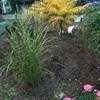
Moss needs constant moisture. On lava rock over weed fabric, either increase sun exposure (prune) or let areas dry out. If moss persists, spray any moss/algae killer (brand irrelevant) or use a baking soda solution. The

Mulching Mower Blade Maintenance and Thatch Causes
Sharpen mulching blades annually (at least every other year). Thatch comes from dead roots, crowns, and runners—not grass blades, which are mostly water. Mow high and frequently; clippings decompose quickly and dont cont
Overseeding Fescue and Controlling Crabgrass on Long Island
A North Fork weekend homeowner battles crabgrass in fescue. Crabgrass (annual or perennial) exploits heat-stressed fescue. The plan: Immediate Steps Overseed now with premium fescue (Seedland.com). Rake in, keep seedbe
Identifying and Treating Lawn Rust Disease
Orange-yellow spores on grass blades that rub off on shoes = lawn rust. Pustules appear in late summer/early fall during dry weather. Rust attacks slow-growing turf—caused by low fertility, heat/drought stress, or nitrog
Managing Centipede Grass in Shady East Texas Lawns
Centipede grass tolerates shade better than Bermuda but less than St. Augustine or Zoysia. In East Texas with heavy shade, try to maintain existing centipede first. Optimizing Centipede Soil pH: Target 5.5 (acidic). Te
Why Scotts Products Damage Soil and How to Switch to Organic
A Maryland homeowner used Scotts Summer Weed & Feed, then found crabgrass exploding. The answer: Weed & Feed kills soil microbes, leaving no natural nitrogen cycling or disease suppression. Compost added afterward will b
Watering St. Augustine Grass in Southern California
Water established St. Augustine once or twice weekly, applying 1 inch per session. To calibrate: place straight-sided cans (tuna cans, glasses) in the sprinkler pattern, run 30 minutes, measure depth. If ½ inch, run 60 m
Replacing Fuel Lines on a Craftsman Weed Trimmer
The user needs to install new fuel hoses on a Craftsman model 358.798442. The best sources for routing diagrams are: The original owners manual. Sears/Craftsman website (search by model number). Sears store where purcha
Transitioning to Organic Lawn Care: A Maryland Case Study
A Mount Airy, MD homeowner with 2.5 acres of weed-infested tall fescue wants a step-by-step organic plan. The core insight: chemicals kill the soil food web that naturally cycles nutrients and suppresses pests. Organic m
Vinegar Beats Weed Barriers for Schoolyard Weed Control
After landscape fabric and rock mulch failed to stop weeds in a Sunday school yard, the answer is simple: vinegar. Weeds grow in soil that accumulates on top of barriers. Vinegar (5% household, 14% pickling if available)
Mushrooms in Sunny Lawns: Causes and Safety
Mushrooms are fungal fruiting bodies feeding on buried decaying wood—old roots, construction lumber, or poorly composted mulch. They appear even in full sun if subsurface food exists. Raking removes visible caps but does
Dethatching vs. Aeration: When to Use Each for Overseeding
Dethatching and core aeration serve different purposes. Dethatchers slice through thatch to let water, air, and nutrients reach roots. Set knives to penetrate the thatch layer—typically 1 inch or deeper if thatch exceeds
Reviving Bermuda Grass in Dallas: Thatch, Slopes, and Organic Solutions
A Dallas homeowner with compacted clay, heavy thatch, and a steep front slope seeks advice on aeration, watering, and using sugar organically. Thatch Removal Skip professional aeration for now. Use a stiff garden rake (
St. Augustine Grass: Stolons, Brown Spots, and Common Problems
St. Augustine spreads via above-ground stolons (runners)—this is normal. Regular mowing at recommended height and periodic dethatching keep them in check. Brown Spot Causes Chinch bugs—major St. Augustine pest. Grubs—r
Sugar Feeds Soil Microbes, Not Plants—And Why Iron Isn't Needed
A reader asks if applying iron harms a lawn managed with sugar instead of fertilizer. The answer: it wont hurt, but its likely unnecessary. How Sugar Works Sugar doesnt replace fertilizer—it feeds beneficial microbes th
Organic Mushroom Control in Lawns
Mushrooms signal fungal activity feeding on buried organic matter—rotting roots, construction debris, or incompletely composted mulch. No spray eliminates them permanently; theyll return until the food source is gone. O
Organic Control of Sticker Weeds in Texas Lawns
A Texas homeowner wants to eliminate spur sticker plants before planting grass. The answer: till them under before they set seed, then build rich, living soil that naturally suppresses weeds. Organic Soil-Building Proto
Watering New Grass Seed: Frequency and Duration for Success
After losing 40% of a newly seeded lawn to fungal issues caused by layered soil, a homeowner in September asks how to water correctly this time around. The core rule: keep the seedbed constantly moist—never let it dry ou
Why Grass Fails Under Black Walnut Trees: Allelopathy Explained
Dead patches in a lawn that gets six hours of sun can be baffling—until you consider the black walnut trees lining the property. These trees release a chemical called hydrojuglone, which oxidizes into juglone, a toxin th
How to Harvest Sod Manually or with a Machine
Harvesting sod doesnt always require heavy machinery. With the right technique and tools, you can cut and roll sod by hand, though a rented sod cutter makes the job faster and yields cleaner results. Manual Sod Cutting
Copyright © www.100flowers.win Botanic Garden All Rights Reserved