
Choosing Gravel for a Raked Japanese Garden: Chicken Grit and Cost-Effective Alternatives
For a raked garden, poultry grit (Gran-I-Grit starter size) works well—light color shows rake lines, resists wind. Mix starter and medium grit for better texture and stability. Simplicity is key; limit materials. At $6/5

Building a Limestone Patio with Moss Joints in Shade: Base Preparation Steps
For a limestone flagstone patio in part/deep shade: level subgrade to 1 inch, compact, add 2–3 inches crushed granite, screed with a 4-ft level on an 8-ft 2×4, compact again, add 1 inch sand setting bed, screed, set ston
Planting Under a Spruce Tree: Removing Grass and Choosing Shade-Tolerant Plants
To plant under a spruce, first remove all grass. Add 4–6 inches of soil (accounting for settling), but avoid piling against the trunk. Choose dry-shade specialists: Epimedium × versicolor or Liriope spicata. Many shade p
Designing a River Rock Backyard Oasis Around a Pool
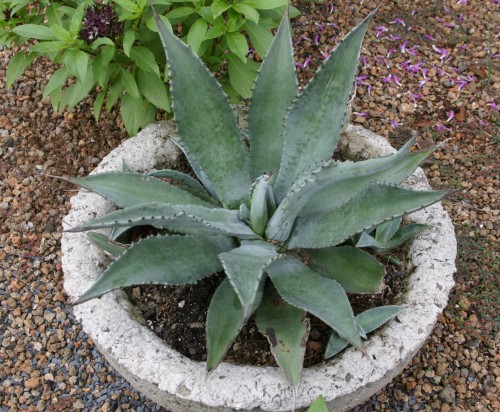
A river rock yard can be stunning: use ¾–1½ inch rock as the main groundcover, cluster large boulders as accents, and create rivers of ½ inch pebbles for pathways. Add large maroon pots with cacti and succulents (agaves,
River Rock vs Pea Gravel for Dog-Friendly Backyards in Arizona
For an 85-lb dog, pea gravel (⅜ inch) is far safer and more comfortable than ¾–1½ inch river rock. Install 4 inches of pea gravel over 4 inches of compacted crushed granite fines. River rock is acceptable for human use b
Corner Lot Privacy on a Budget: Vines, Hedges, and Fence Options for New England
In Massachusetts, a chain-link fence on a corner lot can be screened with fast-growing vines (e.g., trumpet honeysuckle, climbing hydrangea) or a hedge, though hedges cost as much as a wood fence. A solid fence or wall i
Fixing Uneven Flagstone: Selecting Uniform Thickness and Individual Setting
Flagstone varies in thickness; a quality installer hand-selects pieces for consistency. If your patio is already laid and uneven due to thickness differences, each stone must be reset individually on a properly screeded
When and How to Cut Back English Ivy Aggressively
English ivy can be cut back any time, but fall is ideal—it looks bare in winter, then rebounds vigorously in spring. You can shear it to ground level; its nearly impossible to kill. Even glyphosate barely dents it. Regul
Sago Palm Yellowing: Normal Seasonal Cycle or Problem?
Sago palms (Cycas revoluta) often produce a flush of new growth in spring that emerges yellow and wilty—this is normal puberty. The plant may bloom, divide, or simply green up. In San Diegos zoo, virtually all sagos show
Why Landscape Blocks Around Trees Fail: Root Growth and Alternatives
Tree roots expand annually, pushing and lifting any rigid border within the structural root zone (10–15 ft from trunk). Bridging roots with gaps delays but doesnt prevent failure. Professionals avoid block rings around t
Total Lawn Renovation: Killing Weeds, Soil Prep, and Seed Selection for Clay Soil
For a 200×150 ft weedy lawn on Ohio clay, the best approach: kill existing vegetation (glyphosate), remove debris, import screened topsoil, blend with compost and peat, grade for drainage, then seed with a tall fescue bl
Planting Forsythia in Colorado: Sun, Soil, and Timing for Success
Forsythia demands full sun and excellent drainage. A north-facing garage wall with hostas is the wrong spot—it will be leggy and flower poorly. Plant in spring or fall in a hole 2–3 times the container width, backfilled
Installing Flagstone Over an Existing Concrete Patio: Managing Cold Joints
You can mortar flagstone directly onto a clean, acid-washed concrete patio. The cold joint between old and new slab may telegraph a crack; prevent this by cutting a control joint in the flagstone at that line (½ inch dee
Why Dirt Against an Above-Ground Pool Is a Bad Idea
Placing soil against an above-ground pool wall traps moisture, rots wooden supports, and encourages erosion from splashing. The pool is designed to be freestanding. If a level surface is desired, build a wood or composit
Designing a Family-Friendly Small Backyard in a Dry Climate
For a 14×60 ft south-facing yard in Grand Junction, CO, with decorative rock and a central patio, start by exploring local neighborhoods, nurseries, and garden books for styles you like. Prioritize shade trees, colorful
Screeding Sand for a Brick Patio: Using Rebar Guides for a Level Base
To screed a 2-inch sand bed evenly, lay ½-inch rebar pipes on the compacted base at the desired final sand height. Pull a straight 2×4 or screed board across the rebar to level the sand. Remove the rebar and fill the gro
Hillside Erosion Solutions: Rock, Retaining Walls, or Drainage for a Steep Front Yard
A steep, eroding clay hillside with culverts needs a permanent fix. Rock armoring (4-inch minimum) creates a no-mow zone and invites weeds; herbicides near creeks are restricted. Retaining walls (3 ft high, ~50 ft) cost
Landscaping Small Entry Beds Near a Side-Entry Garage for Curb Appeal
Narrow beds (3×10 ft) flanking a front door under a side-entry garage driveway are perfect for a formal, low evergreen hedge—boxwood or Taunton yew (Taxus × media Tauntonii)—planted at the edges. Fill the interior with s
Starting a Garden from Scratch: Design, Soil Prep, and Plant Selection for Clay Soil
Transforming a bare, clay-heavy lot begins with a plan. Use your local water utilitys landscape guide for region-appropriate designs and plant lists. Amend clay with generous amounts of organic compost (rotted leaves, gr
How Much Landscape Rock Do You Need? Calculating Tonnage for Your Project
Decorative rock is sold by the ton, and coverage depends on rock size and density. For a 2-inch depth over 1,000 square feet, youll need roughly 6–7 tons of ¾-inch rock, but this varies. Use an online calculator (e.g., e
Copyright © www.100flowers.win Botanic Garden All Rights Reserved