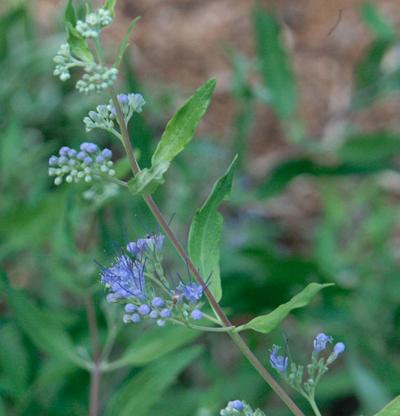

Salvia Varieties and Pruning Caution
Know Your Salvia ~60 species + 40–50 selections (annuals, perennials, shrubs). Most like full sun, dry conditions, originate in Mexico/S. America/Africa. Pruning Advice Deadhead only. If not blooming, move to more ligh

Salvia Care: Deadheading Over Pinching
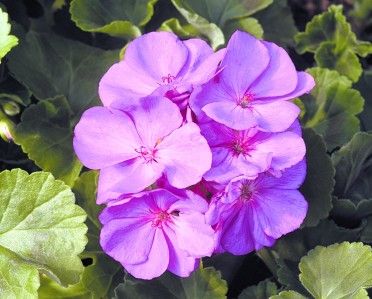
Red Salvia Basics Full sun, fertilize 1–2×/month. Deadhead spent flowers for continuous bloom. Do NOT pinch back—can reduce flower size.
Removing Deck Sealant Overspray from Plants
Immediate Action Rinse plants repeatedly with water. Identify the sealant product; check ingredients for plant toxicity. Hold maintenance crew accountable—request replacement for dead plants. Recovery If plants are da
Why Container Vegetables Attract More Pests & How to Build Resistance
Container plants are often weaker—limited soil volume, nutrients, and water make them stress-prone, attracting pests. Solution: use highest-quality soil with time-release fertilizer and moisture polymers. Pot up before r
Diagnosing Gummosis on a Dwarf Peach Tree in New Jersey
Sap oozing from fruit and trunk indicates gummosis (fungal canker, Botryosphaeria). Symptoms: blisters on young bark, sunken cankers, gum balls. No chemical cure. Keep tree vigorous—water stress worsens it. Prune out dea
Designing Window Boxes: Annuals vs. Perennials, Color Schemes, and Plant Lists
Annuals bloom all season; perennials bloom briefly and look poor in winter. For boxes, annuals give more impact per dollar. Design: tall center (or back if against wall), medium fillers, trailing edges. Limit to 5–7 vari
Hydrangeas and Gerberas in Containers: Better Alternatives for Year-Round Color
Hydrangeas bloom briefly and look ugly dormant. Gerberas are fussy. Instead, use large pots with seasonal annuals: winter pansies, primroses, bulbs (plant deep, overplant with annuals). Swap to summer annuals after frost
Planting a Dieffenbachia Cutting: Pot Size, Soil, and Safety
Start in a small pot; repot only when root-bound. Use premium moisture-control potting mix. Bright indirect light prevents leaning. Rotate for even growth. Stake weak stems. Use water left out overnight to reduce chemica
Managing a Leggy 5-Foot Potted Avocado Tree
A 5-foot avocado with a skinny, leafless stem and few leaves is etiolated from insufficient light. Repotting won’t fix this—it needs full sun to strengthen. Pruning back to a bare stem is risky; it may not resprout. Avoc
Planting Oriental and Asiatic Lilies After Summer Heat Stress
Yellowing stalks in late summer are normal dormancy, not overwatering damage. Lilies are tough bulbs. Plant now in well-drained soil amended with peat and manure. Add slow-release fertilizer. Mark the spot. Cut yellowed
Growing Dahlias in Containers: Pot Depth and Year-Round Care
Dahlias thrive in pots. Container width should allow 1 inch of soil around the tuber; depth proportional to plant size. Plastic pots are lighter and retain moisture. Use well-draining mix. Winter: dry, dark storage. Spri
Winter Care for a Potted Dahlia in North Carolina (Zone 7b)
Your 12-inch dahlia is a dwarf variety. Slugs love dahlias—use bait. Three storage keys: 1) Frost-free (35–60°F, ideal 45–50°F), 2) Dark, 3) Dry but not desiccated. Keep in pot, check monthly. If tuber shrivels, soak ove
Vista Burgundy Salvia: Indoor Care and Pet Safety
This sage-family annual is non-toxic to pets. Bring indoors to enjoy remaining blooms, then discard—it won’t rebloom attractively. Treat as a seasonal container plant.
Norfolk Island Pine vs. Lookalikes in Indiana Landscapes
Norfolk pines are tropical (min 45°F)—they won’t survive Indiana winters outdoors. The tree you see is likely a hardy conifer: cedar, hemlock, or similar feathery evergreen. Take a cutting to a nursery or Master Gardener
Overwintering Perennials in Containers on a Zone 5 Balcony
Container soil freezes harder than ground soil. Key strategies: group pots on a covered deck against the house. Insulate with leaves, straw, bubble wrap, or styrofoam. Nest small pots inside larger ones with filler. Use
Overwintering Container Dahlias Indoors in Michigan
After bloom, let dahlias dry back. Cut stems to 6 inches. Store pots in a cool basement (45–50°F), barely moist—just enough to prevent tuber shriveling. No light needed. In spring, refresh soil, gradually increase light
Why Moisture Meters Fail in Large Pots & Better Watering Strategies
Meters often read “dry” in large pots because water wicks away from the root zone to the container edges. Instead of relying on probes, read the plants: keep indicator plants that wilt first. Check soil with your finger
Identifying a Mystery Houseplant: Is It Toxic to Cats?
Your description (thick cane-like stems, brittle branches, 6-inch asymmetrical heart-shaped leaves with white spots) suggests a cane begonia—non-toxic. If no flowers, consider croton, gold dust dracaena, polka dot plant,
Hand-Pollinating Indoor Tomatoes, Cucumbers, and More
Yes, you must act as the bee. For tomatoes: cover plant with a plastic bag, shake vigorously, then shake bag while removing to trap pollen. Do this every other day, ideally at 70% humidity. Turn off fans during pollinati
Can Bird of Paradise Regrow Roots from Basal Cuttings?
Only if a “node” (a swollen ring on the stem) is present. Cut just below the node, place in water or moist medium. Trim large leaves by half to reduce transpiration. New roots emerge from the node; new leaves follow. Wit
Copyright © www.100flowers.win Botanic Garden All Rights Reserved