
Creating a Terrarium: Self-Sustaining Plant Worlds
A closed glass container with plants that recycles its own moisture is a terrarium. The water cycle—evaporation, condensation on glass, return to soil—means minimal watering. The biggest mistake? Overwatering. Getting S

Pruning a Mature 'Bonfire' Patio Peach
The Bonfire patio peach is bred for ornamental foliage, not fruit quality (the peaches are hard and small). At 8 years old and 8 ft tall with ground-touching limbs, it needs structural pruning for health and appearance.
First Pruning of a Young Avocado Tree
A two-foot avocado seedling is ready for its first shaping prune. The goal: thicken the main stem and encourage a strong branch framework—not to dwarf the tree (which will eventually reach 40+ ft). How to Prune Cut jus
Nasturtiums in Hot Mediterranean Climates: Sun, Shade, and Soil
Nasturtiums are often labeled full sun, but in hot Mediterranean summers, intense afternoon sun scorches their large, thin leaves. They tolerate heat only with consistent moisture and prefer bright light without extreme
Growing Vegetables in Containers: A Guide for Australian Gardeners
Container vegetable gardening is a practical solution during drought-driven price spikes. The keys: large pots with drainage, quality potting mix (never garden soil), and choosing compact or dwarf varieties. Best Vegeta
When to Plant Avocado Trees in West Texas
If you have a well-draining pot and a suitable planting site, you can plant your avocado in the ground now—even in West Texas. The sooner it’s in the ground, the faster it develops the root system needed for eventual fru
Dieffenbachia Dripping Water: Guttation and Toxicity
Water droplets on the tips of Dieffenbachia leaves are a natural process called guttation—the plant releases excess moisture through hydathodes when soil is wet and humidity is high. It’s a sign of a healthy, actively gr
Can You Overwinter Impatiens Indoors?
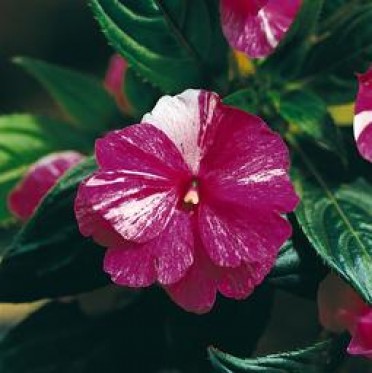
Impatiens (Busy Lizzie) can survive indoors over winter, but they often become leggy, pale, and unattractive without very specific conditions. Some varieties handle it better than others. Requirements for Success Light
Keeping Potted Mums Year-Round in Cold Climates
Those gorgeous grocery-store mums can be perennial performers if you protect their roots from freezing. In the Pocono Mountains (Zone 5/6), an unheated but insulated garage or a basement with windows works well. The hous
Overwintering Potted Mums: Timing, Pruning, and Storage
Garden mums (Chrysanthemum spp.) in containers need a proper dormancy period to survive winter and return vigorously in spring. The process starts with timing and ends with spring pruning. When to Move Mums into Storage
How to Water Spider Plants: The "Let the Plant Tell You" Method
Spider plants (Chlorophytum comosum) are famously forgiving, but overwatering is their number one killer. Their thick, tuberous roots store water, allowing them to survive weeks without a drink. The trick is learning to
Winter Storage for Large Pottery Containers and Clematis
Massachusetts winters can wreak havoc on large pottery pots left outdoors. The primary culprit isnt freezing alone—its moisture combined with freeze-thaw cycles that causes clay to flake, chip, and crack. Meanwhile, clem
Overwintering Container Plants in Cold Climates: Lilac, Delphinium, and Spruce
Gardening in Colorado Springs presents unique challenges, especially when winter temperatures plummet to -20°F or lower. While a lilac rated to -40°F can survive the cold above ground, the real danger for container plant
Growing Fig Trees in Containers: Complete Guide
Container Basics Pot size: Start small; pot up as the tree grows. Too large a pot causes water to wick away from roots, leading to wilting. Root restriction: Figs actually fruit better when slightly root-bound. Essent
Malathion Disaster: Why Your Basil Died and Bamboo Turned White
Read the Label Before Spraying Malathion is a toxic organophosphate insecticide. It is not safe for edible plants unless explicitly labeled and used with strict pre-harvest intervals. Your basil and onion are now contami
Easy Ivy Propagation by Layering
Simple Layering Method for Vining Ivy After 15 years, your variegated ivy likely has long vines—perfect for propagation without harming the mother plant. Step-by-Step Fill several 2–4 inch pots with moist, quality pott
Do Terracotta Pots Need to Come Indoors for Winter?
Why Terracotta Cracks in Freezing Weather Terracotta is porous; moisture absorbed into the clay expands when frozen, causing cracks and flaking. If you lack indoor storage, you must protect them. Better Alternative: Pla
Saving a Drying Norfolk Island Pine
Immediate Watering Corrections Stop bottom-watering every two days. Water only when the soil is dry to the touch. Water from the top until it drains freely; empty the saucer completely. In winter, you may water only onc
Fixing a Leggy, Yellowing Dieffenbachia
Why Your Dieffenbachia Is Declining A tall, bare stem with a leafy top is classic for aging Dieffenbachia. The lower leaves yellow and drop because the stem cannot produce new foliage. The plant becomes a tall umbrella u
Why Daphne Flower Buds Turn Brown and Drop
Common Causes of Bud Browning Daphnes are outdoor shrubs that struggle indoors. The most likely culprits for your kitchen plant are low humidity and improper watering. Central heating creates desert-dry air, even in a ki

Copyright © www.100flowers.win Botanic Garden All Rights Reserved