


Floribunda roses showing intensely red foliage, excessive thorns, "witch's broom" growth (dense, distorted clusters at branch tips), and progressive decline are almost certainly infected with Rose Rosette Disease (RRD). Spread by microscopic eriophyid mites carried on the wind, RRD is fatal and incurable.
Early detection and removal are the only way to limit spread. Monitor nearby roses closely for symptoms.
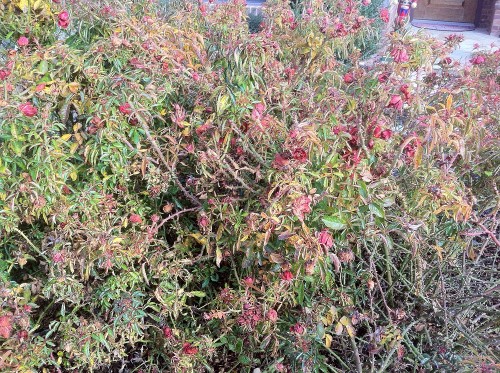
Witch's broom and red foliage
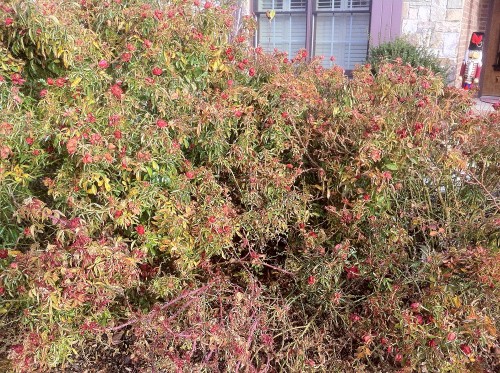
Excessive thorns and distorted growth
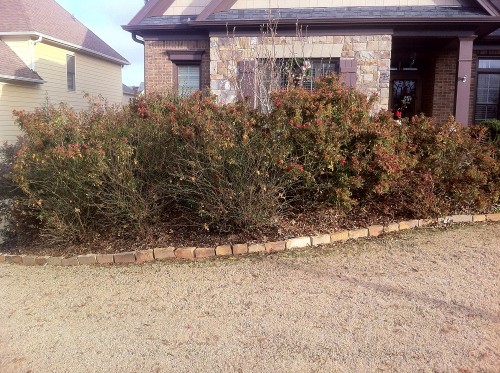
Overall plant decline
Rose Pruning: Late Winter + Sulfur Spray
When to Prune a Rose Bush Topiary in Pasadena, CA
Choosing a Hardy Rose for Coastal Donegal, Ireland
Rescuing Overwatered Potted Roses: The Cut-Back & Dry-Out Protocol
Floribunda Rose Growing New Bud Inside Open Flower: Proliferation
Comprehensive Rose Care: Watering, Pruning, Black Spot, and Size Control
Why Your Roses Aren't Blooming: Troubleshooting Tips for High-Altitude Gardens
Saving a Failing Tree Rose: Convert to Rugosa Bush
JFK Rose Turned Red—Rootstock Takeover
Growing Climbing Roses in Pots on a Patio: Best Varieties and Care
Growing Roses in Kihei, Maui: Heat, Soil, and Variety Selection
Identifying Unknown Roses: Propagation Over Identification
Copyright © www.100flowers.win Botanic Garden All Rights Reserved