


Mounds of loose soil indicate deep tunneling (dens/travel), while raised ridges are shallow hunting runs. Moles eat grubs and earthworms, not plants. Control is difficult—tunnels may be used once. Trapping and baits have low success. Tolerance is often the most practical approach.
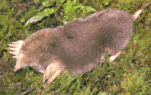
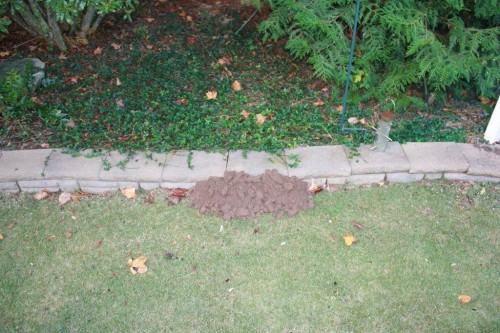
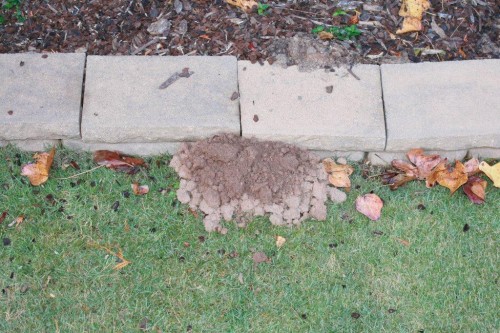
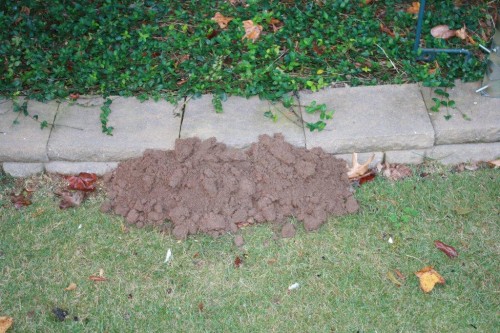
Mole Repellents Don't Work—Trapping Does
Tiny Red Bugs on Lawn Blanket: Harmless Chinch Bug Nymphs
Mole Hills in Play Areas: Trapping Beats Repellents
Humane Mole Control: Why Repellents Fail and Trapping Succeeds
Identifying Lawn Tunnels: Moles vs. Voles in Virginia
Why Utility Company Lawn Repairs Look So Good: The Secret Is Soil Preparation
Environmental Breakdown of Lawn Chemicals: Photolysis, Hydrolysis, and Microbial Degradation
Mimosa Seedling Invasion: Why They Suddenly Stopped Appearing
Organic Lawn Pre-Emergents in East Texas and Protecting Fruit Trees from Drift
Mysterious Dirt Piles in the Yard: Moles or Something Else?
Is Your Mom's Lawn Service Overtreating? Evaluating Annual Aeration, Insecticides & More
DIY Natural Lawn Care in Philadelphia: Fertilizer, Tick Control, Cost Savings
Restoring Your Lawn After Large Tree Removal: Essential Steps for Success
Copyright © www.100flowers.win Botanic Garden All Rights Reserved