
How to Grow Malanga (Taro) Successfully
Malanga (Xanthosoma sagittifolium), also called taro or yautia, is a tropical root crop grown for its edible corms and nutritious leaves. Resembling ornamental elephant ears, these plants thrive in warm, humid conditions

Does Roundup Harm Trees? Expert Insights on Glyphosate Safety Near Woody Plants
Concerns about glyphosate (Roundup) damaging trees when sprayed underneath them are common among homeowners and landscapers. The answer isnt a simple yes or no—it depends on formulation, application technique, and tree s
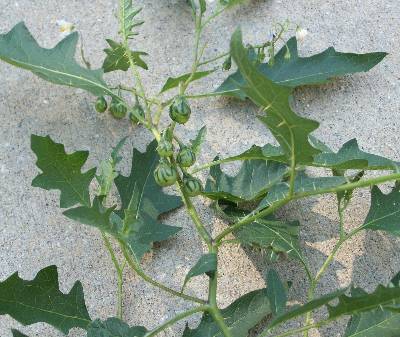
Identifying and Controlling Carolina Horsenettle
Carolina horsenettle (Solanum carolinense) is a notorious perennial weed that plagues yards, pastures, and wooded areas across the Southeast. If youve encountered a plant with pale purple flowers, watermelon-striped frui
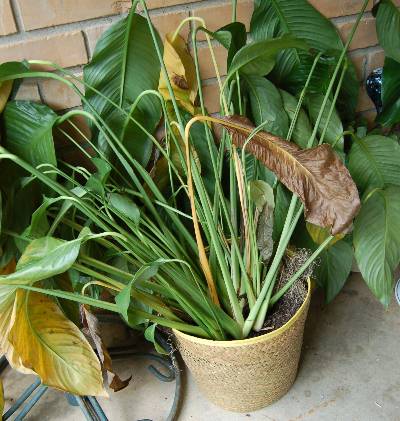
Reviving a Peace Lily with Root Rot from Overwatering
A peace lily (Spathiphyllum) with wet soil but droopy leaves has root rot from overwatering. Remove the plant, cut away all smelly, mushy roots, and repot in a clay pot with fresh potting mix. Use a saucer to catch runof
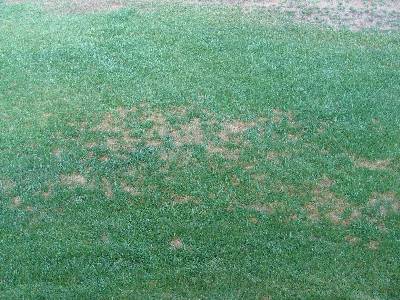
Overwatering Causes Brown Patches in Fescue Lawn
Watering fescue daily—even with a well—drowns roots and causes brown patches. Fescue needs deep, infrequent watering: 1 inch once per week. Daily watering keeps soil saturated, depriving roots of oxygen and promoting dis
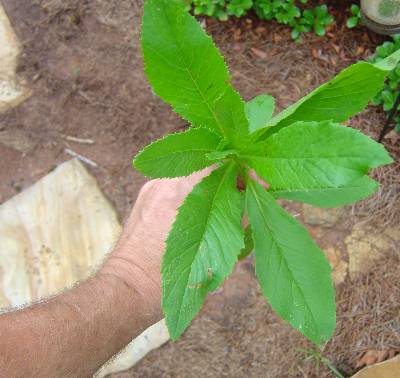
Identifying and Controlling Burnweed (Fireweed) in Lawns and Mulch
Burnweed (Erechtites hieracifolia) is a fast-growing annual that germinates in thatch and mulch. It produces dandelion-like seeds that disperse widely. Pre-emergent herbicides for broadleaf weeds applied in March can pre
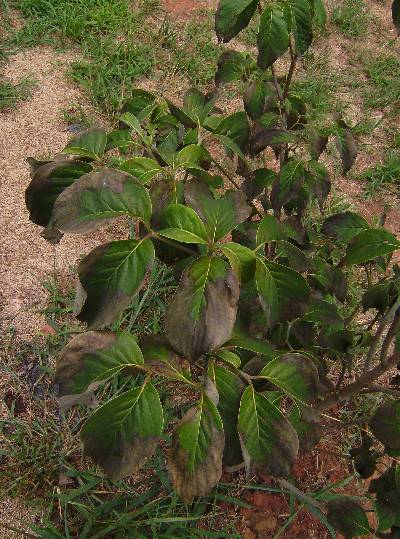
Saving a Wedding-Day Dogwood: Proper Planting and Care
A pink dogwood planted on a wedding day shows marginal leaf scorch (brown edges) due to poor root establishment. Three issues: the planting hole wasnt wide enough, grass competes for water under the tree, and theres no m
Mushrooms in Houseplants Signal Overwatering
Yellow mushrooms growing in a Christmas cactus pot indicate the potting soil is staying too wet, allowing fungi to decompose organic matter. The mushrooms themselves dont harm the plant, but the conditions that favor the
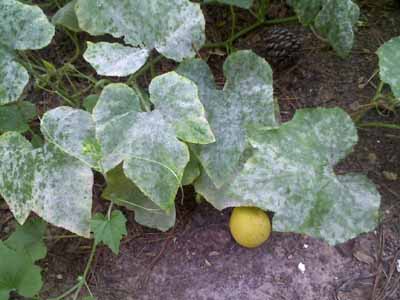
Controlling Powdery Mildew on Pumpkins and Squash
White, powdery coating on pumpkin leaves is powdery mildew, a common fungal disease. It spreads rapidly in warm, humid conditions. Fungicides like chlorothalonil (Daconil) can control it, but treatment must start early—w
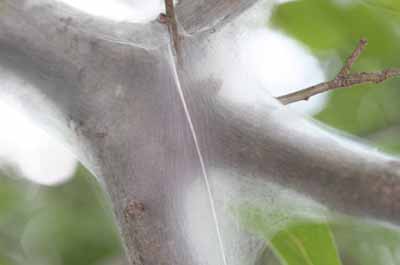
Harmless Barklice Create Webbing on Tree Trunks
Cottony webbing on oak or holly trunks, accompanied by tiny brown insects, is caused by barklice (also called psocids). They feed on lichens, fungi, and organic debris on the bark—not on the tree itself. The webbing prot
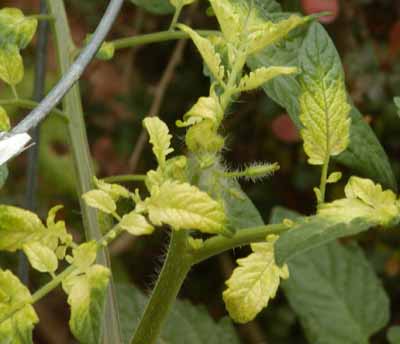
High Soil pH from Over-Liming Causes Iron Deficiency in Tomatoes
Frequent liming to prevent blossom-end rot can raise soil pH so high that tomato plants cannot absorb iron, causing yellowing (chlorosis) on new growth, leaf curling, and stunting. The symptoms appear on multiple varieti
Bumblebees Nesting in a Birdhouse: What to Do
Small, slender bees with bright orange pollen pouches nesting in a birdhouse are likely a smaller bumblebee species. They are vigorous pollinators and generally non-aggressive unless provoked. The nest will be active for
Why Tilling Matters: Vegetable Roots Spread Wide, Not Just Deep
Vegetable roots dont grow very deep—they go only as far down as oxygen is available. But they spread widely from the base of the plant. Tilling loosens soil horizontally, giving roots room to expand and access water and
Using Grass Clippings as Mulch in the Vegetable Garden: Pros and Cons
Green grass clippings can be used as mulch in vegetable beds, provided the lawn hasnt been treated with herbicides. The clippings decompose quickly, adding nitrogen and organic matter. However, they may introduce weed se
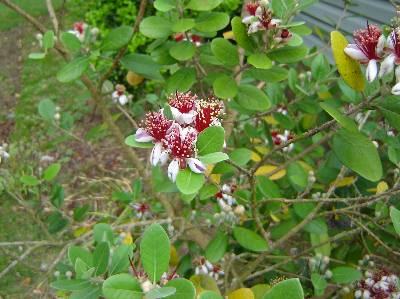
Identifying Pineapple Guava: Edible Fruit and Flowers
The plant in question is pineapple guava (Feijoa sellowiana), a shrub or small tree with egg-sized green fruit that ripens in autumn. The fruit is eaten by cutting it in half and scooping out the sweet, aromatic pulp. Th
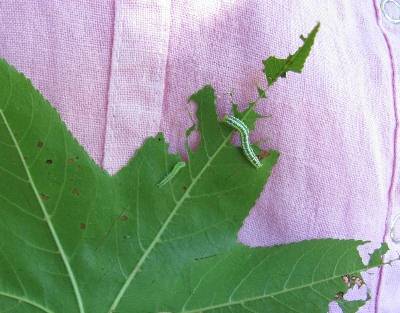
Sweetgum Defoliator Caterpillars: A Rare but Harmless Outbreak
Small black pellets (frass) falling from sweetgum trees, along with thinning crowns, indicate an infestation of sweetgum defoliator caterpillars (Paectes abrostoloides). This native moth lays eggs in early summer; the ca
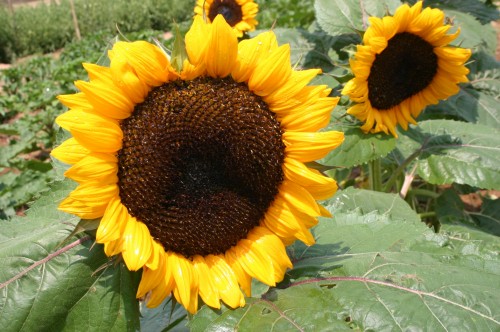
Why Mature Sunflowers Face East Instead of Tracking the Sun
Young sunflowers exhibit heliotropism—they follow the sun across the sky each day. But once the flower heads begin to form and the stems stiffen, this movement stops. The mature blooms settle facing east, where they warm
Building a DIY Wick Applicator for Targeted Herbicide Application
A wick applicator lets you brush concentrated herbicide directly onto weeds without spray drift. You can make one using PVC pipe as a reservoir and wand, with a 3/4-inch soft braided nylon rope as the wick. A rubber cone
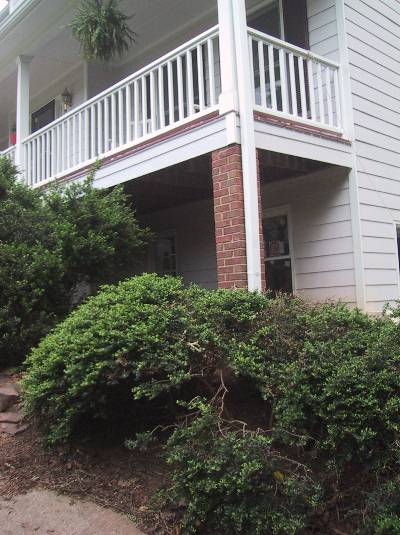
Repairing Boxwood Damage from Children's Play and Improper Pruning
Boxwoods used as a landing pad for kids climbing down drainpipes, then later trimmed haphazardly with shears by those same kids, ended up with large dead sections and holes in the foliage. The lower limbs, shaded by uppe
Growing Neem, Sandalwood, Teak, and Rosewood in the U.S.: Climate Limitations
A gardener from Duluth, Georgia, originally from Karnataka, India, asked about growing neem, sandalwood, teak, and rosewood trees. Neem (Azadirachta indica) can only survive outdoors in southern Floridas tropical climate
Copyright © www.100flowers.win Botanic Garden All Rights Reserved