

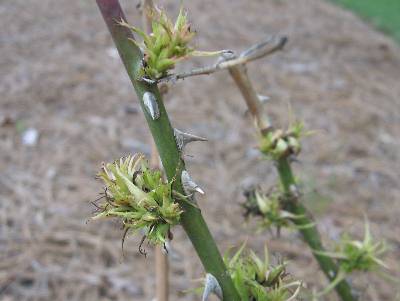
Identifying and Recovering from Glyphosate Damage on Roses
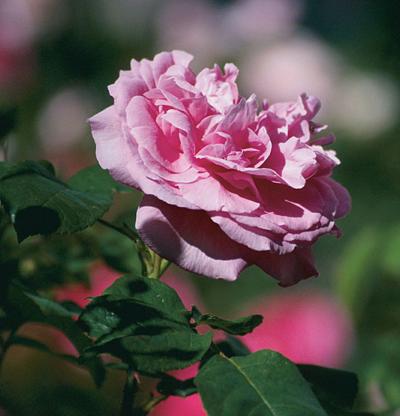
A rose bush that bloomed well last year now shows classic glyphosate (Roundup) injury: tiny, clustered leaves along the stems. This distinctive witchs broom growth is a hallmark of glyphosate exposure, whether from spray


Dealing with a Persistent Green Stripe Over Septic Lines in Bermuda Lawn
A homeowner with a three-year-old Bermuda lawn noticed a distinct dark green stripe running down the front yard—directly above the septic lines. Despite regular fertilization and weed control from a lawn service, the gra
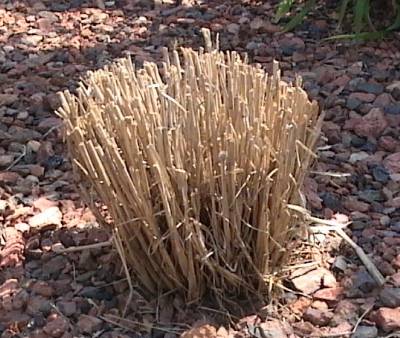
Why Purple Fountain Grass Fails to Return After Winter in Cooler Climates
Many gardeners are surprised when their purple fountain grass (Pennisetum setaceum Purpurea) doesnt reappear in spring after being cut back in fall. The reason is simple: this ornamental grass is not winter-hardy in regi
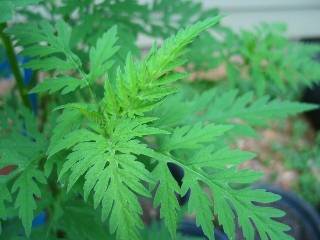
Ragweed: The Real Allergy Culprit
Ragweed: The Real Allergy Culprit A fast-growing plant reaching 5+ feet by June was identified as common ragweed (Ambrosia artemisiifolia). Despite goldenrod getting the blame, ragweeds inconspicuous green flowers releas
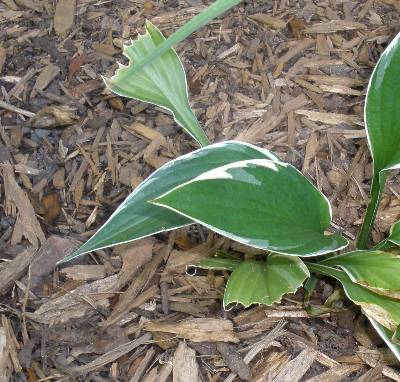
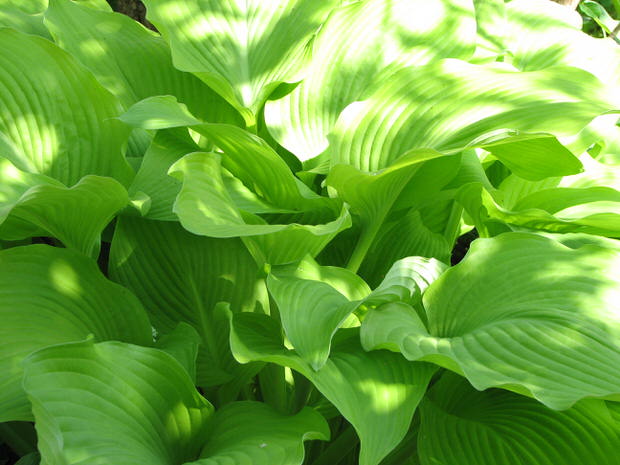
Diagnosing Hosta Damage: Slugs vs. Disease
Diagnosing Hosta Damage: Slugs vs. Disease A gardener asked what was eating hostas. Two types of damage were evident: clean-edged holes (slug/snail feeding) and brown, irregular margins with yellowing (fungal disease). I
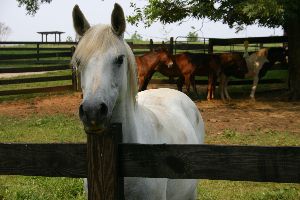
Fescue Toxicosis and the MaxQ Solution for Horse Pastures
Fescue Toxicosis and the MaxQ Solution for Horse Pastures A horse owner asked about cool-season grasses tolerant of heat and drought, aware of fescue toxicosis issues with Kentucky 31. Fescue toxicosis is caused by an en
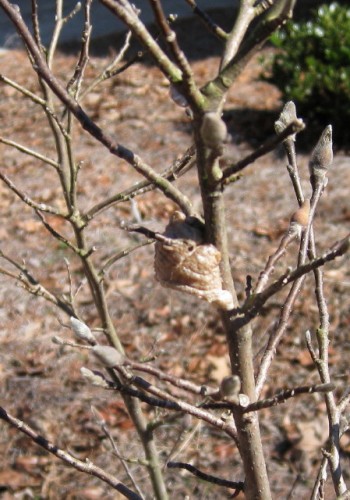
Praying Mantis Egg Case: A Beneficial Find
Praying Mantis Egg Case: A Beneficial Find A brown, Styrofoam-like case on a tulip tree (saucer magnolia) in February was identified as a praying mantis egg case (ootheca). These cases contain dozens of eggs that hatch i
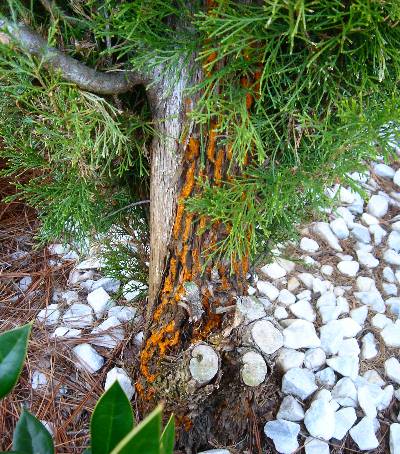
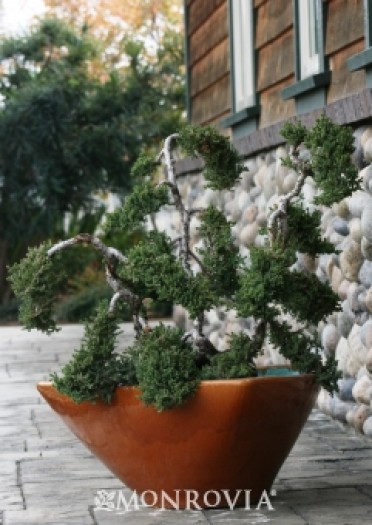
Cedar-Quince Rust: A Dual-Host Disease
Cedar-Quince Rust: A Dual-Host Disease A spiral-pruned Eastern cedar developed orange, jelly-like ooze on the trunk near the base. This is cedar-quince rust, a fungal disease requiring two hosts: cedar (juniper) and quin
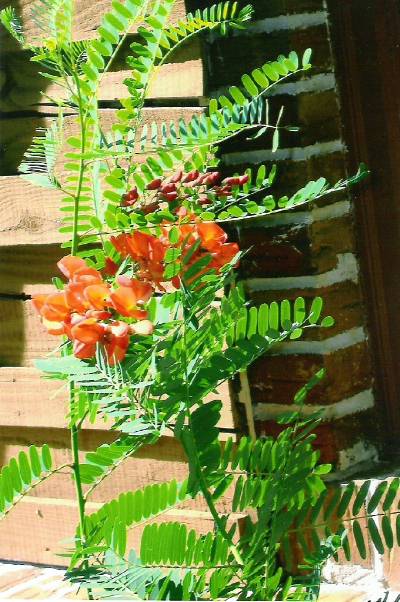
Rattlebox (Sesbania punicea): An Invasive Beauty
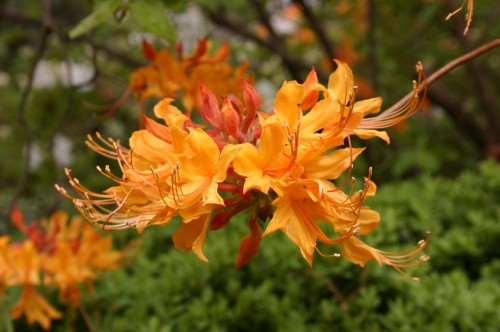
Rattlebox (Sesbania punicea): An Invasive Beauty A plant with attractive flowers was identified as rattlebox, Sesbania punicea. This deciduous shrub or small tree produces showy orange-red flowers and inflated seed pods
Landscaping Steep Slopes: Matching Plants to Incline
Landscaping Steep Slopes: Matching Plants to Incline A homeowner on Lake Lanier needed to landscape a steep red clay hill and worried about mulch sliding. Advice from a Georgia DOT landscaper emphasizes matching the slop
Palos Borachos (Drunken Sticks): Argentina's Spiny Flowering Trees
Palos Borachos (Drunken Sticks): Argentinas Spiny Flowering Trees A traveler to Argentina encountered spectacular flowering trees called Palos Borachos or Drunken Sticks, with spiny trunks and pink lily-like flowers in f
Using Bleach to Disinfect Stored Rainwater
Using Bleach to Disinfect Stored Rainwater A gardener collected rainwater from a pool cover and wondered how long it stays usable before becoming stagnant. Stagnation occurs when organic matter decomposes, but frequent u
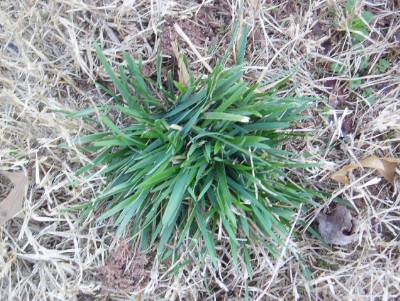
Managing Fescue in a Bermudagrass Lawn
Managing Fescue in a Bermudagrass Lawn A homeowner with a mixed lawn (bermudagrass, fescue, centipede, zoysia) asked about the fescue appearing in thin bermudagrass areas. Fescue is a cool-season grass that invades where
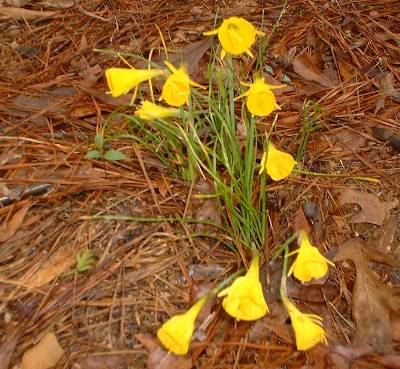
Petticoat Daffodil: A Charming Miniature Narcissus
Petticoat Daffodil: A Charming Miniature Narcissus A mysterious flower appeared in a yard and was identified as the petticoat daffodil, Narcissus bulbocodium. This diminutive daffodil features a prominent, flared cup (th
Planting Rhododendrons Successfully: The 5-10-10-10-5 Method
Planting Rhododendrons Successfully: The 5-10-10-10-5 Method A homeowner wanted to replace scraggly forsythia under a sweetgum tree with a purple rhododendron. The recommended variety for the South is Rhododendron catawb
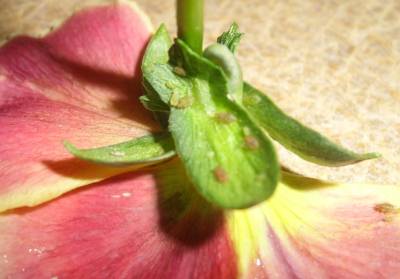
Aphids on Pansies: Early Spring Invaders
Aphids on Pansies: Early Spring Invaders A gardener removing pansies in early April found them covered in small bugs, initially mistaken for lacebugs. The pests were correctly identified as aphids. Key Differences and Ma
Budget-Friendly Ways to Deter Cats from Flower Beds
Budget-Friendly Ways to Deter Cats from Flower Beds A gardener sought an economical alternative to pricey plastic spike mats for keeping cats out of perennial beds. Low-Cost Solutions Sweetgum balls: Scatter the spiky s
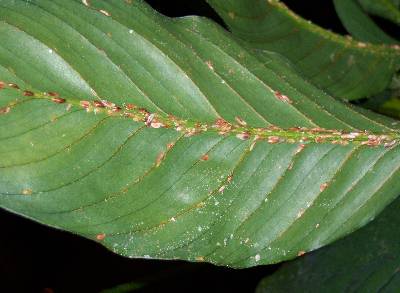
Peace Lily Scale Infestation: To Treat or Toss?
Peace Lily Scale Infestation: To Treat or Toss? Three inherited peace lilies showed shiny, sticky leaves and brown, flaky spots on stems—classic signs of a severe scale insect infestation. The sticky residue is honeydew
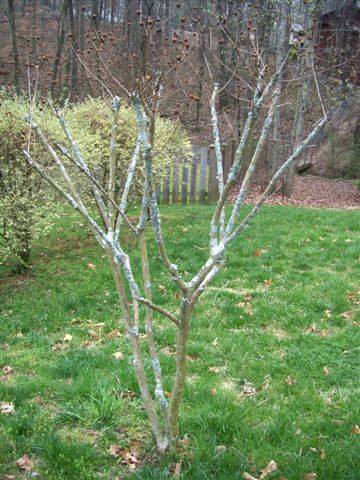
Crapemyrtle Lichens: Harmless Growth or Sign of Stress?
Crapemyrtle Lichens: Harmless Growth or Sign of Stress? A homeowners crapemyrtles were declining, with green fungus on the trunks, little growth, and no blooms. The issue was diagnosed as water stress, not a fungal disea
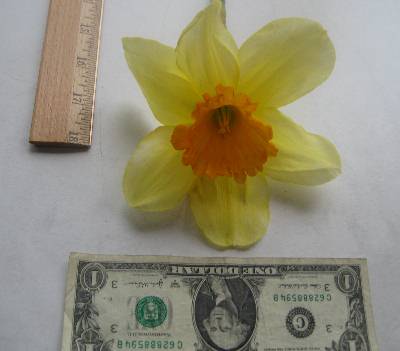
Daffodil Identification: Decoding the Classification System
Daffodil Identification: Decoding the Classification System A gardener planted daffodils in mid-December that bloomed in mid-March, reaching 18 inches tall with 5-inch-wide flowers. The nursery couldnt identify the varie
Copyright © www.100flowers.win Botanic Garden All Rights Reserved