
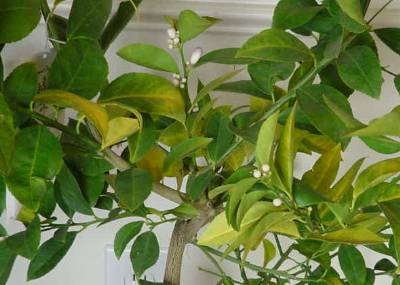
Meyer Lemon Leaf Drop Indoors: Light, Humidity, and Water Fixes
Winter leaf drop on Meyer lemon is usually caused by three factors: low light, dry air, and overwatering. Rescue Plan Water only when dry: Finger test 2 inches down—water only if dry. Boost humidity: Keep away from

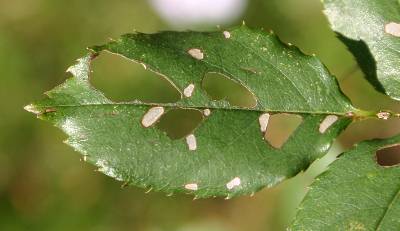
Rose Sawfly Larvae: Identification and Control
Those green, C-shaped caterpillars skeletonizing your Knockout rose leaves are rose sawfly larvae. Theyre not true caterpillars (they have 6+ prolegs), so B.t. wont work. Effective Controls Organic: Insecticidal soap
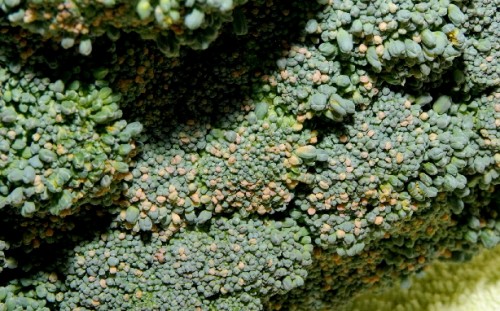
Brown Bead in Broccoli: A Stress Disorder, Not a Disease
The yellowing, brush-off flower buds on your broccoli are brown bead—a physiological response to stress (heat, disease, low fertility). Its not infectious. Prevention for Next Season Choose fast-maturing varieties.
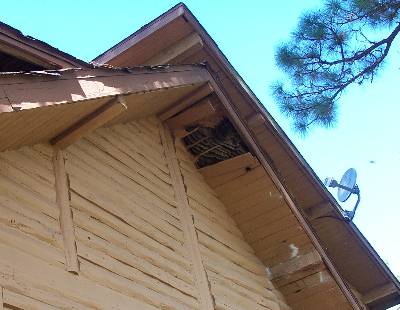
Honeybees in House Eaves: Professional Removal Required
Honeybees have built combs in your eaves. This is not a DIY job—especially in Florida, where Africanized bees may be present. Steps to Resolve Contact your county Extension office for a list of local beekeepers. If
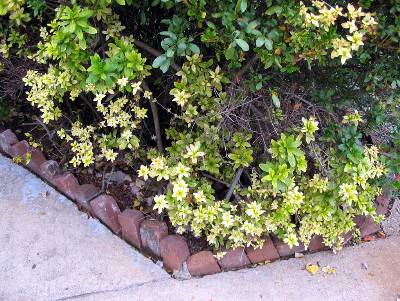
Azalea with Yellow Lower Leaves: Root or pH Issue?
Normal winter yellowing on azaleas shows a tuft of green at branch tips with yellow interior leaves. Your plant has yellowing concentrated in one section—indicating a localized root problem or pH imbalance. Likely Cause

Mycorrhizae Inoculants: Do They Actually Help Trees?
Mycorrhizae are beneficial fungi that partner with plant roots, exchanging nutrients for carbohydrates. While the symbiosis is vital in nature, commercial inoculants show inconsistent results. Research highlights: Ma
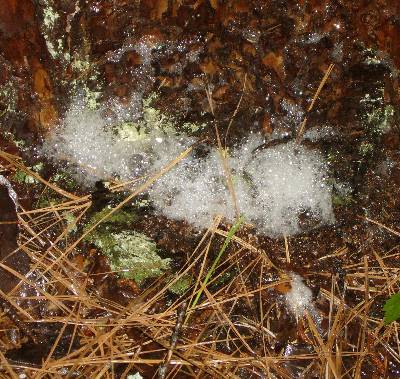
Pine Tree Foaming in Rain: Natural Soap from Bark Salts
Pine trees producing foam during heavy rain are forming a crude soap: drought accumulates salts, acids, and particles on bark; rain dissolves and agitates them into froth. Same phenomenon occurs on highways after dry spe
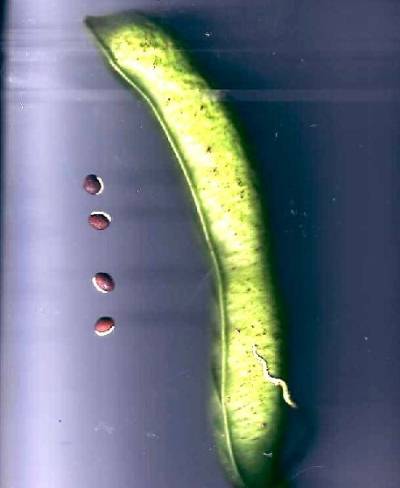
Hyacinth Bean vs. Jack Bean: Two Different Plants in One Bag
Youve got seeds from two distinct vines mixed together: Dark seed with white eye: Purple hyacinth bean (Lablab purpureus), also called Thomas Jefferson bean. Beautiful purple flowers and pods in fall. Large pod wit
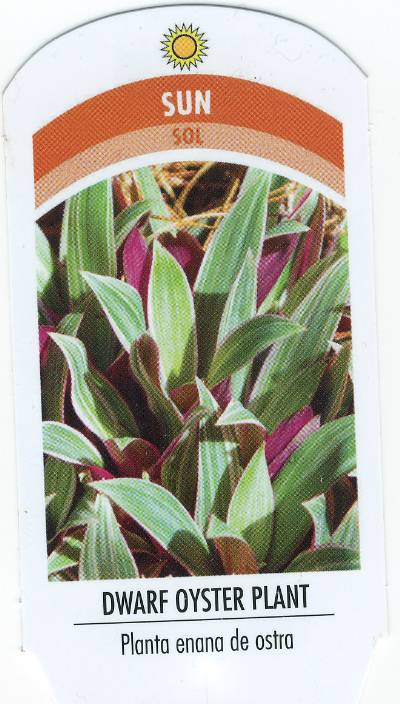
The Problem with Inadequate Plant Labels at Big-Box Stores
Your dwarf oyster plant label is a perfect example of why buying unfamiliar plants at big-box stores is risky. The label gives only a vague common name and Sun—no scientific name, hardiness zone, or care instructions. Co
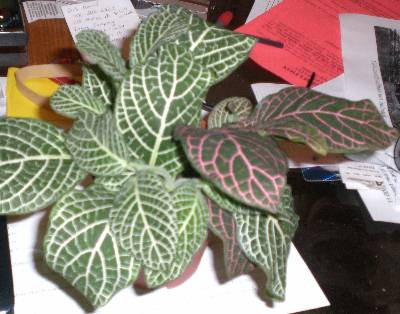
Mosaic Plant (Fittonia albivenis): Care for a Colorful Houseplant
Your plant is a mosaic plant (Fittonia albivenis), prized for its striking vein patterns in white, pink, or red. Dozens of cultivars exist. Care Essentials Light: Bright, indirect; an east window is ideal. Stretching
Converting a Dog Potty Area into a Safe Vegetable Garden
You cant chemically sterilize soil, but nature will do the work if you give it time. Step-by-Step Dig the 10x10 area now, turning soil deeply to expose it to sun, rain, and freeze-thaw cycles. Repeat every 4 weeks
China Doll Plant (Radermachera sinica): Indoor Care and Summer Rejuvenation
China doll plants are sold as houseplants but can reach 30 feet in their native habitat. Leaf drop indoors is almost always due to insufficient light. Theyre not cold-hardy below 40°F. Action Plan Now: Give it the br
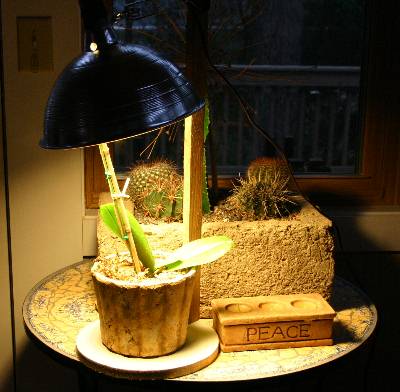
Boosting Indoor Light for Houseplants: A Guide to Supplemental Lighting
Understanding Your Plants Light Needs Meet Priscilla, a split-leaf philodendron thats thrived for over 12 years. Each winter, she occupies a dim living room corner where sunlight barely reaches. The result? Browning leav
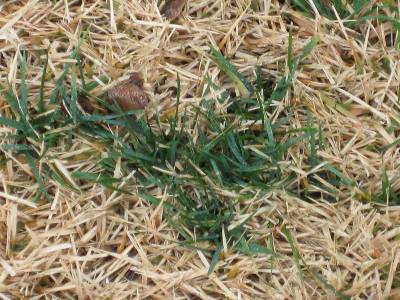
Removing Fescue from Zoysia Without Killing the Lawn
The clumps in your Meyer zoysia are fescue, a cool-season grass that invades thin warm-season turf. Do not spray a non-selective herbicide like glyphosate over the whole lawn. Zoysia doesnt go fully dormant in winter—gre
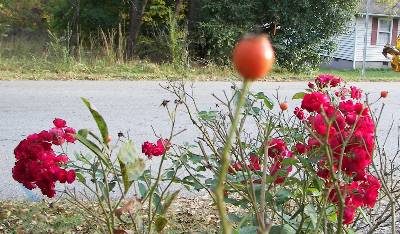
Rose Hips: What They Are and What to Do With Them
Those orange-red, marble-sized balls are rose hips—the seed pods that form after pollination. Theyre rich in vitamin C and traditionally used for tea, jelly, and syrup. Most gardeners leave them for fall and winter inter
Which Trees Remove the Most Carbon?
All photosynthetic plants remove carbon dioxide from the air, splitting it into carbon (stored in wood, leaves, and roots) and oxygen. The rate depends on growth speed, wood density, longevity, and mature size. Fast-grow
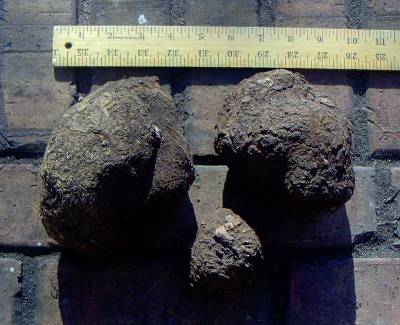
False Truffle Identification: What You Found in the Root Zone
Those potato-like growths nestled among the cherrylaurel roots are false truffles. Mushroom expert Mary Woehrel explains the distinction: True truffles are rare in the Southeast (except pecan truffles in orchards).
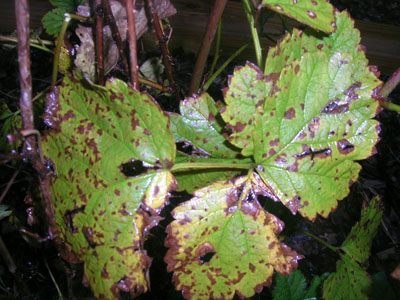
Raspberry Anthracnose: Identification and Management
The spots on your Dorman Red raspberries are caused by anthracnose (Elsinoe veneta), a fungal disease favored by the wet April and May. The fungus overwinters as tiny purple lesions on canes, then spreads to leaves and f
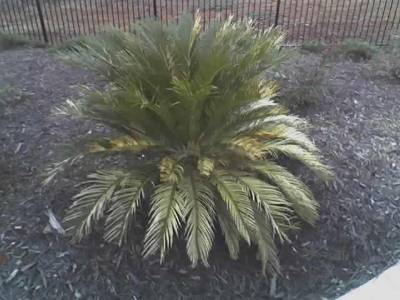
Sago Palm Freeze Damage: Assessment and Recovery
The brown, yellowing fronds on your newly planted sago palms are classic cold damage. While sagos (Cycas revoluta) can survive brief dips to 15°F, exposure to wind, duration of the freeze, and plant size all affect survi
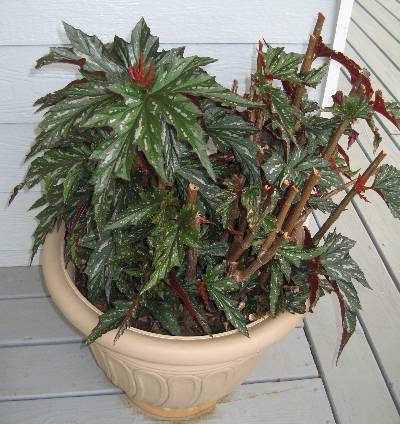
Angel Wing Begonia: Care for Continuous Blooms
Your plant is a cane-type (angel wing) begonia, a group that includes countless hybrids. These begonias are grown for their attractive, often silver-spotted foliage and pendulous clusters of flowers. To keep yours bloomi
Copyright © www.100flowers.win Botanic Garden All Rights Reserved