Elaeagnus: The Fragrant but Invasive Silverthorn
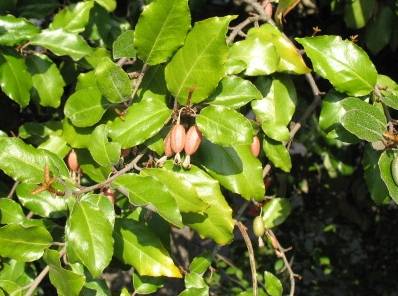
Elaeagnus: The Fragrant but Invasive Silverthorn A homeowner found a shrub with weeping limbs and tasty-looking fruit in late March, wondering if it was unusual for fruiting so early. The plant was identified as elaeagnu

Identifying Rain Lilies: A Springtime Surprise
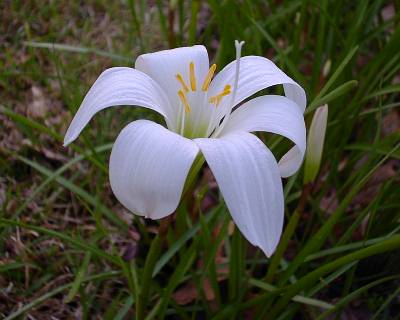
Identifying Rain Lilies: A Springtime Surprise A gardener discovered some intriguing bulbs during a turkey hunting trip and nurtured them for years. Each spring, they emerge and bloom around Easter, produce seeds, and th

Caring for St. Patrick's Day Shamrock (Oxalis) Outdoors
Natural Growth Cycle Your St. Patricks Day shamrock is likely Oxalis regnellii. It emerges in March, blooms in April, and disappears by June—this is normal. Plant it where it gets morning sun and dense afternoon shade. D
Using Saltwater Pool Water on Plants: Safety Guidelines
Is It Safe for Your Garden? Many saltwater pool owners report no harm using pool water on plants. Salt concentration in pools (2,500–4,000 ppm) is far lower than seawater (~35,000 ppm) and near human taste threshold (3,5
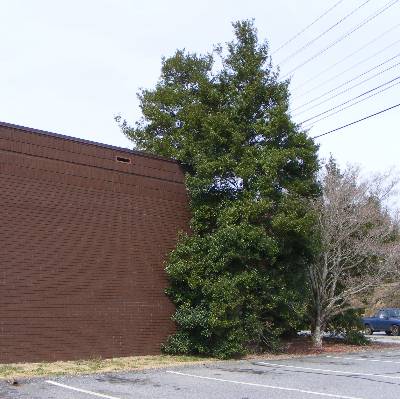
'Foster' Holly: A Bird-Favorite for Winter Berries
Identifying the Courthouse Holly That holly loaded with red berries attracting cedar waxwings? Its Foster holly (Ilex x attenuata Fosteri), a hybrid of Ilex opaca and Ilex cassine. Its spines are sharp but not vicious—va
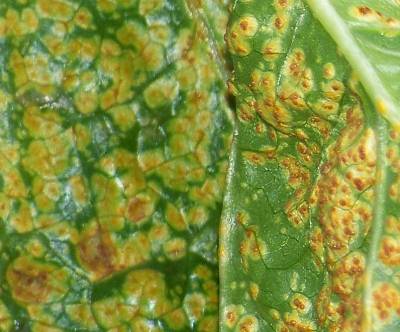
Hollyhock Rust on High Mallow: Identification and Management
Diagnosing the Problem Your high mallow (Malva sylvestris, or French hollyhock) shows yellowing leaves with spots—classic hollyhock rust (Puccinia malvacearum). The pustules (bumps) are typical of rust fungi. Control St
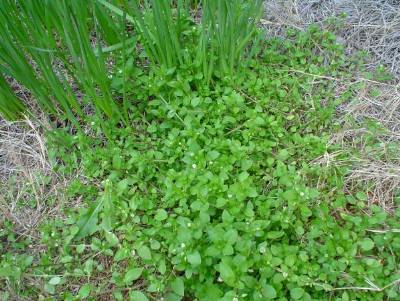
Chickweed and Henbit in Centipedegrass: Weed ID and Fertilizer Timing
Identifying the Invaders The white-flowered weed is chickweed; the purple-flowered one is henbit. But the real issue? That weed and feed applied in early March. Centipedegrass should only be fertilized when 100% green—us
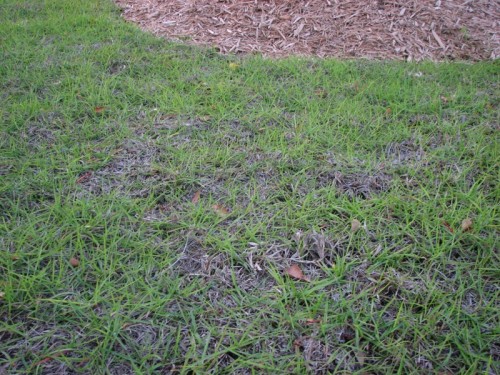
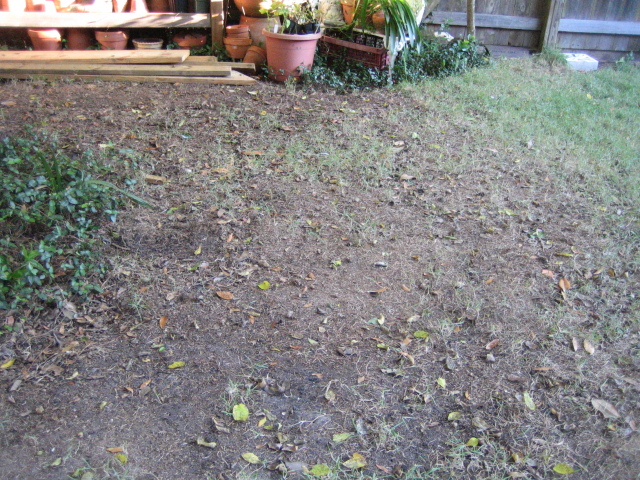
Overwatered Centipedegrass: Correcting Irrigation Mistakes
The Problem with Daily Watering Your installer recommended 15 minutes every other day, but when the sod seemed dry, you increased to 25 minutes daily. Thats too much. Centipedegrass needs a transition from frequent light
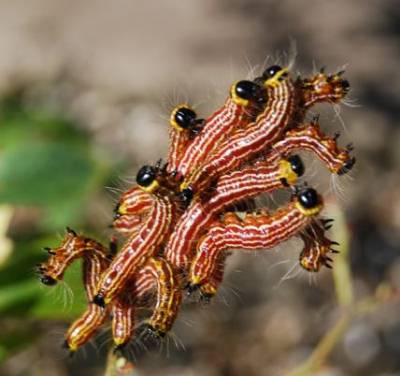
Yellownecked Caterpillars: Identifying and Controlling Blueberry Pests
Spotting the Culprit Those caterpillars stripping your blueberry bushes in half a day? Look just behind their black heads—a distinct yellow stripe encircles their neck. Thats the yellownecked caterpillar (Datana spp.), a
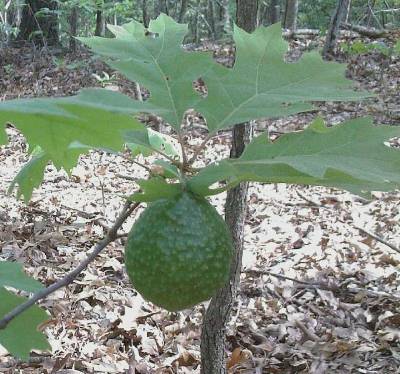
Oak Apple Galls: Nature's Curious Growths on Oak Trees
What Are Those Strange Balls on Your Oak Sapling? Spotted weird, round growths hanging from a young oak in Mason Mill Park? Theyre oak apple galls—fascinating structures caused by a tiny gall wasp. The female lays eggs i
Saffron Crocus: Growing Your Own Precious Spice
The Real Source of Saffron Yes, saffron comes from a crocus—but specifically the fall-blooming Crocus sativus, not the spring-flowering Crocus vernus. The prized spice is the stigma (female part) of the flower, harvested
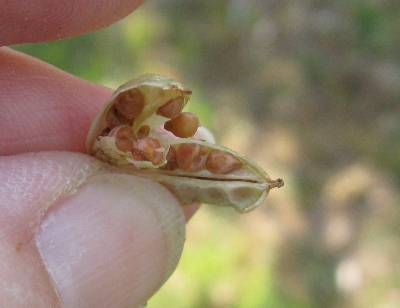
Identifying Tommies: The Early-Blooming Crocus tommasinianus
Spring Surprise: Seed Pods or Crocus Offspring? Those mysterious seed things popping up in your garden? Theyre indeed from the crocuses that bloomed earlier in spring. Youve got a lovely colony of Tommies—Crocus tommasin
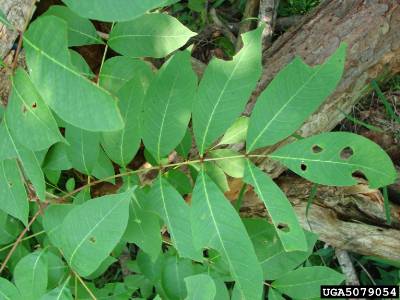
Poison Sumac in Georgia: Rare Wetland Plant, Not the Usual Culprit
Poison sumac (Toxicodendron vernix) grows only in 18 of 159 GA counties—wetlands. Most “sumac” rashes are from poison ivy (T. radicans). Atlantic poison oak is rare. All three have urushiol oil causing identical rashes.
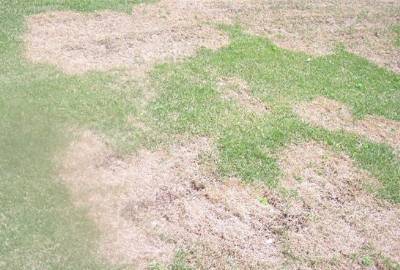
Roundup Damage on Zoysiagrass: Never Spray 'Dormant' Warm-Season Grass
Zoysiagrass, centipedegrass, and St. Augustinegrass never go fully dormant. Spraying glyphosate in winter kills or damages them. Bermudagrass might go dormant after hard freeze, but check crown for green tissue first. Re
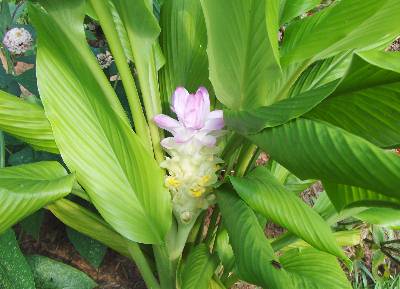
Hidden Ginger (Curcuma petiolata): A Shade-Loving Tropical for Georgia Gardens
Your mystery plant is hidden ginger, Curcuma petiolata. Banana-like leaves reach 3-4 feet; pink-yellow flowers bloom at ground level, hidden by foliage. It spreads slowly by rhizomes. Key tip: Mark the clump with a circ
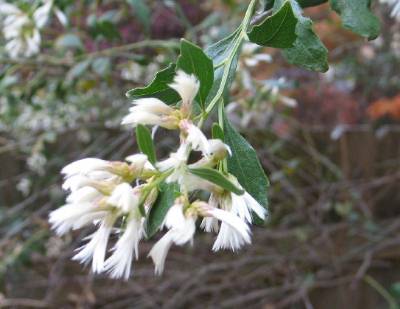
Groundsel Bush (Baccharis halimifolia): Native but Potentially Invasive
Your fall-blooming shrub is groundsel bush (seepwillow), Baccharis halimifolia. Its a coastal native moving northward, with showy white female flowers in October-November. Male plants have yellowish flowers. Caution: It
Graywater from Washing Machines: Safe for Landscape Plants
UGA Soil Lab analysis of graywater (GAIN detergent, half cup) found sodium, boron, and pH levels safe for ornamental plants. SAR (sodium adsorption ratio) was well below problematic thresholds. Measured pH 6.4 and alkali

Wildlife Food Plots: Plants, Liming, and Seed Sources for Deer and Turkey
Successful food plots start with soil testing and liming (pH 6.0–6.5). Dr. Mike Mengak (UGA) and Alabama DCNR provide excellent guides. Key Steps Soil test (georgiasoiltest.com). Lime per recommendations. Plant mixes: c
Why Cities Can't Just Build Their Own Reservoirs
Water in Georgia belongs to the state, not local governments. The Department of Natural Resources manages withdrawals; any diversion over 100,000 gallons/day requires a state permit. Add federal Endangered Species Act co
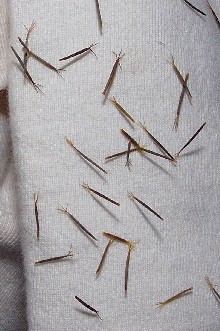
Beggartick (Bidens bipinnata): The Hitchhiking Weed from Hell
You encountered beggartick (Spanish needles), Bidens bipinnata. Each slender seed has two barbed hooks (bi-dens = two teeth) that latch onto fur, fabric, and hair with terrifying efficiency. Prevention Learn to recogniz
Copyright © www.100flowers.win Botanic Garden All Rights Reserved