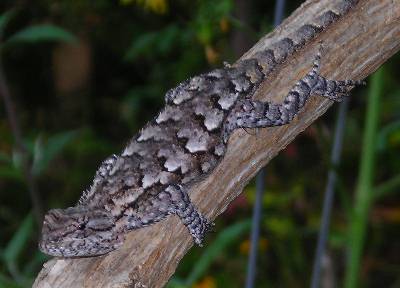
Fence Lizard (Sceloporus undulatus): A Beneficial Garden Visitor
The reptile spotted on your butterfly bush is a fence lizard, Sceloporus undulatus, also known as a fence swift. These harmless, insectivorous lizards are common across the Southeast. They feed on spiders, beetles, ants,

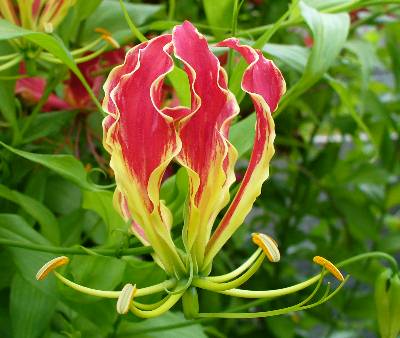
Gloriosa Lily: A Stunning but Tender Climber
The plant is a gloriosa lily (Gloriosa superba), a spectacular climbing vine with reflexed, flame-colored petals. While its a showstopper in summer, its not winter-hardy in most of Georgia. The best strategy is to grow i
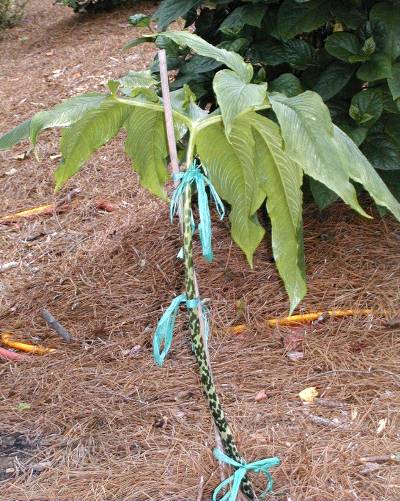
Voodoo Lily (Sauromatum venosum) Identification and Care
The plant is a voodoo lily, most likely Sauromatum venosum. This unusual tuberous perennial produces a single, spectacularly mottled spathe and spadix in spring before the foliage emerges. The flower emits a brief, carri
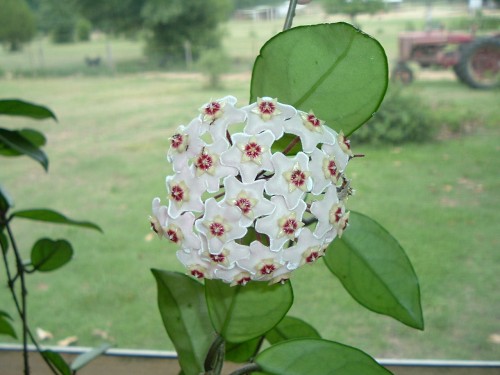
Identifying Wax Vine (Hoya carnosa)
The plant in question is a classic wax vine, Hoya carnosa. This popular houseplant is prized for its thick, waxy leaves and clusters of fragrant, star-shaped flowers that often appear in summer. Hoyas thrive in bright, i

Mowing Wet Grass: When It's Okay and When to Wait
Early morning dew often leaves the lawn dripping wet just when you want to mow. Is that a problem? According to turf expert Clint Waltz, mowing wet grass isnt inherently harmful—in fact, professional landscapers and golf
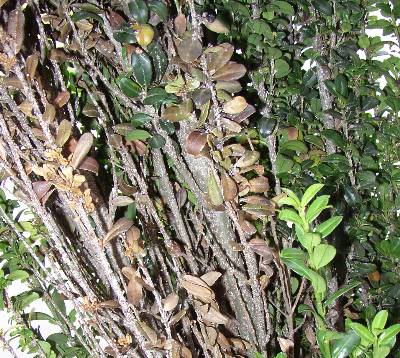
Saving Your 'Sky Pencil' Holly from Euonymus Scale
If your Sky Pencil holly looks like its been draped in a white, crusty coating, youre likely dealing with a heavy infestation of euonymus scale. These tiny, armored insects attach themselves to stems and the undersides o
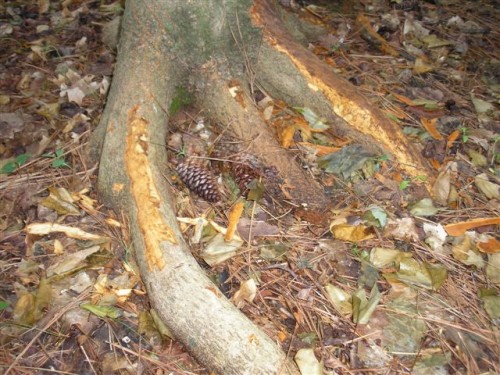
Squirrel Damage to Maple Roots: Hot Pepper Wax Deterrent
Squirrels gnaw maple roots and root flares for sugars and salts. Spray Hot Pepper Wax on affected areas to deter them. It’s a natural, non-toxic repellent. Why They Do It Seeking moisture and nutrients. Similar to sapsu
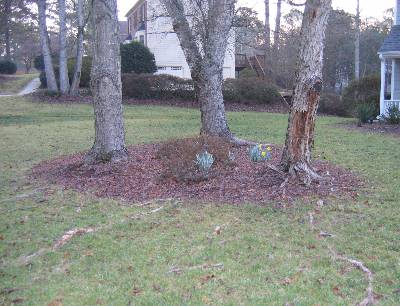
Silver Maple Decline: Lawnmower Root Damage Leads to Rot and Lean
A 23-year-old silver maple with one-sided dieback, bark loss, and lean likely suffered lawnmower root injury years ago. Damaged roots rotted, causing trunk decay and instability. The tree is a hazard. Immediate Action H
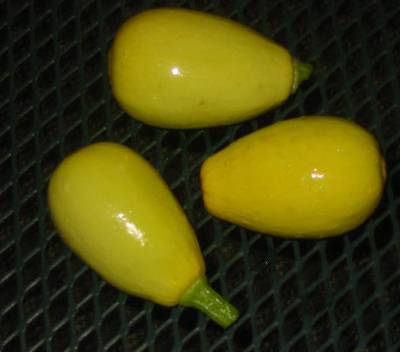
Volunteer Round Squash: Natural Cross-Pollination Surprise
A round-fruited squash volunteer came from last year’s cross-pollination between your squash and a round-fruited relative (e.g., pumpkin, gourd). It’s edible and tasty—enjoy the genetic lottery! Why It Happened Squash f
Tree Rose (Standard) Pruning and Winter Care in Containers
Tree roses in pots need winter protection for roots (below 20°F) but stay outdoors. Prune: Minor in December (remove crossing branches). Major in late February (cut back by half to outward buds). Stake securely to preve
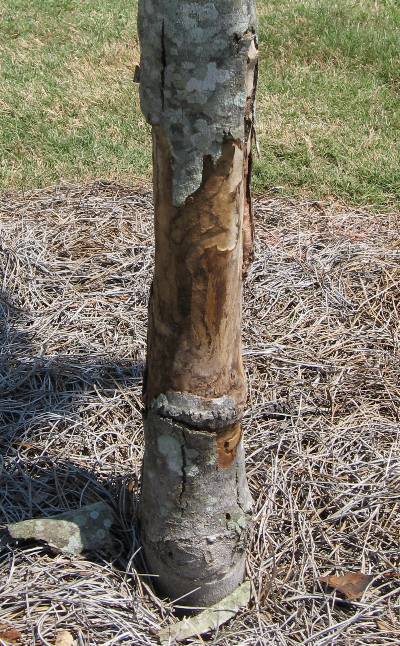
Maple Trunk Wound: Planting Too Deep, Mulch Volcano, Grass Competition
‘October Glory’ maples with cracking bark at the base suffer from three strikes: Planted too deep—root flare buried. Mulch piled high—trunk rot. Grass to trunk—root competition. Outcome Trees with bark missing all arou
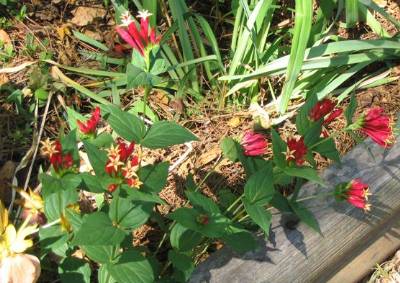
Spigelia (Indian Pink): Native Woodland Wildflower
Spigelia (Spigelia marilandica) is a stunning native perennial with red tubular flowers starred with yellow. It thrives in moist, shady woodlands. Blooms in late spring. Slow to establish but long-lived. Growing Tips Pa
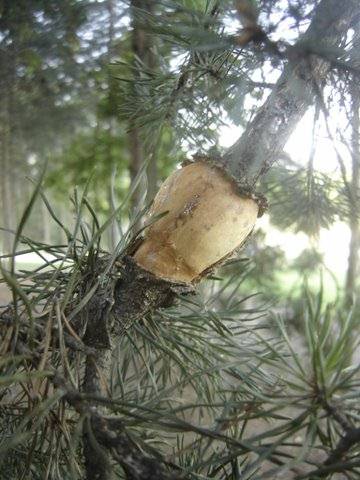
Pine Brain Canker: Rust Fungus Causes Witches' Brooms
Swollen, brain-like galls on pine branches with dense needle clusters (“brooming”) indicate rust fungi: Cronartium cerebrum (brain rust) or C. quercuum (eastern gall rust). Both alternate with oaks. Control Prune out ga
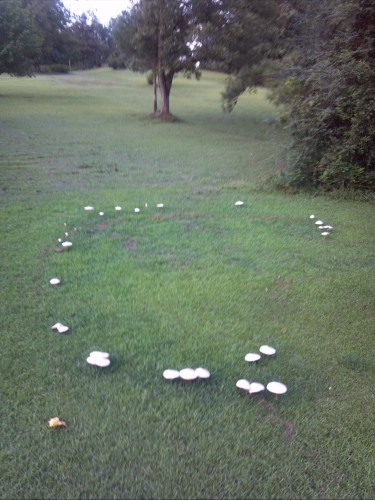
Fairy Rings in Lawn: Fungal Nitrogen Release Creates Green Circles
Fairy rings are arcs of dark green grass caused by soil fungi decomposing organic matter and releasing nitrogen. Type 2 (green ring only) is harmless; Type 1 (dead ring) is harder to fix. Management Light fertilizer ove
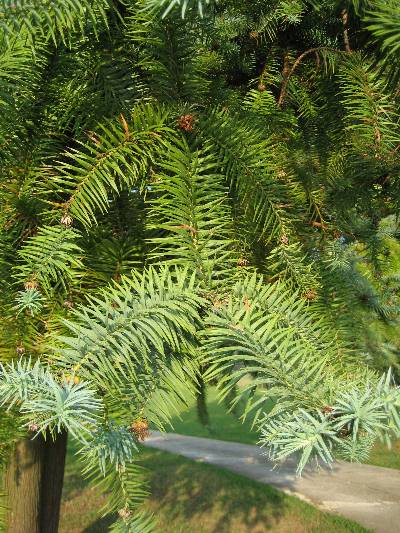
China Fir (Cunninghamia lanceolata): Exotic Evergreen for the South
China fir (Cunninghamia lanceolata) is a fast-growing, pyramidal evergreen with stiff, sharp needles. It tolerates heat and humidity, thriving in Zone 7–9. Used for timber in Asia. Landscape Use Specimen tree for large
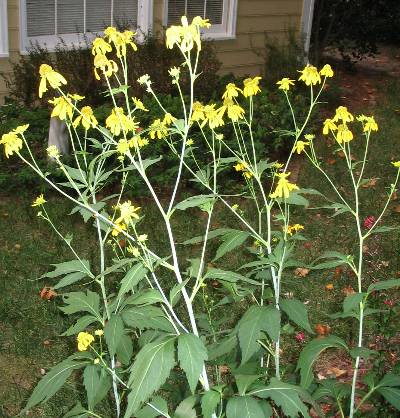
Cutleaf Coneflower (Rudbeckia laciniata): Tall, Late-Summer Bloomer
Cutleaf coneflower (Rudbeckia laciniata) has deeply lobed leaves and yellow daisy flowers with brown centers in August. It wilts in heat but revives with water. Grows 4–7 feet tall. Culture Full sun to part shade. Moist
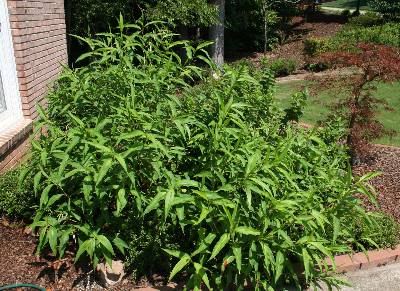
Polygonum (Smartweed) Identification: Nodding vs. Lady's Thumb
Your white-flowered polygonum is likely nodding smartweed (Polygonum lapathifolium), not pink-flowered lady’s thumb (P. persicaria). Both are aggressive weeds spreading by seed and stem fragments. Control Pull before se
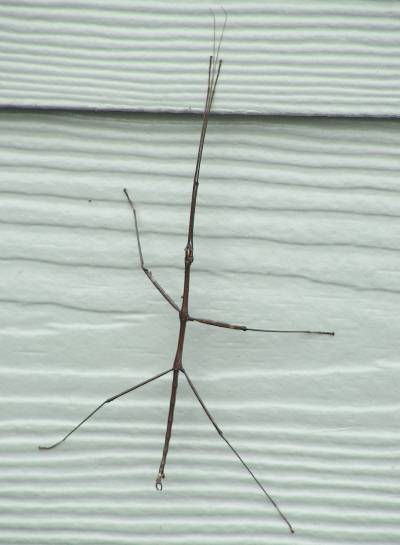
Walkingstick Insect: Master of Camouflage
Walkingsticks (Phasmatodea) mimic twigs. Males have claspers (pinchers) for mating; females are larger. They feed on leaves at night, motionless by day. Six legs—front pair held forward like antennae. Fun Facts Herbivor
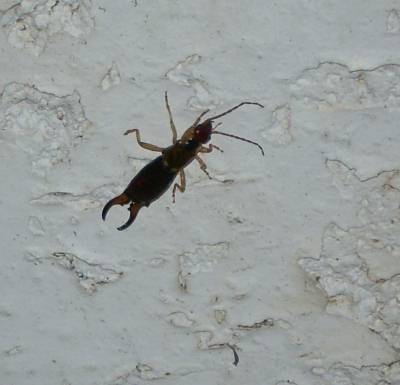
Earwig Identification and Control: Myths vs. Reality
Earwigs (order Dermaptera) have pincers (cerci)—curved in males, straighter in females. They don’t crawl into ears or burrow in brains. They eat decaying matter and occasionally plants. Management Outdoors: rarely need
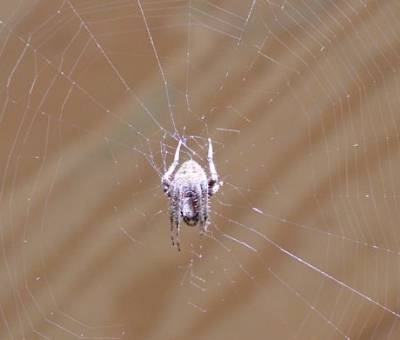
Orb-Weaving Spider Identification: Web Shape Is Key
The classic round, spiral web identifies orb-weavers (Neoscona crucifera and relatives). They eat their web daily and rebuild. Harmless and beneficial. Spider Web Types Orb web: Circular, radiating spokes with spiral. F
Copyright © www.100flowers.win Botanic Garden All Rights Reserved