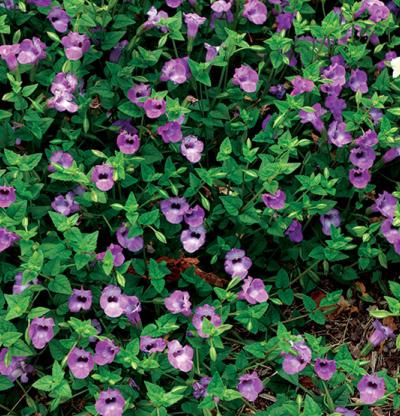

Bamboo Stakes for Beans: They Won't Root Upside Down
Cut bamboo canes used as stakes will not root when stood upright. Rooting only occurs at nodes in contact with moist soil horizontally. Use them freely for teepees and trellises. Bamboo stakes for pole beans—no rooting

Bald Cardinal: Feather Mites or Molting?
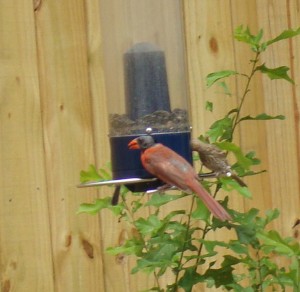
A female cardinal with a completely bald head likely has feather mites or is undergoing an abnormal molt. See “The Case of Bald Birds” for details. It’s usually temporary; feathers regrow after molt or mite treatment. Wh
Japanese Maple Leaf Wilt After Cold Snap: Sunscald Risk
After a cold snap, Japanese maples (especially laceleaf types) may wilt and drop leaves due to root damage. But the bigger threat is sunscald on exposed trunks once leaves fall. Without canopy shade, bark overheats and c
Gray Water Defined: Safe Sources for Garden Irrigation
Gray water = used water from bathroom sinks, tubs, showers, and washing machines. Black water = toilet and kitchen sink waste (high organic load, pathogens). Collection Methods Bucket in shower/tub (easiest). Plumbing d
Harvesting Radishes and Growing Bush Beans: Simple Tips
Bush beans don’t need stakes—they’re self-supporting. Radishes are ready when roots reach usable size (usually 3–4 weeks). Pull a few to check. Radish Harvest Tips Harvest promptly; overmature radishes become woody and
Chipmunks Eat Baby Birds: Opportunistic Omnivores
Chipmunks are omnivores and will eat eggs, nestlings, and even small birds. It’s natural behavior, not “stalking.” They’re opportunistic foragers. Managing Conflict Accept it as part of nature—chipmunks also eat insects
Mystery Droplets on Car: Guttation or Honeydew?
Clear, water-soluble droplets on a car parked under trees are either: Guttation: Plant “sweat” from leaf hydathodes at night when soil is wet and humidity high. Honeydew: Excrement of sap-sucking insects (aphids, scale)
Small Bumblebees in Birdhouses: Native Pollinators, Not Pests
Small, slender bumblebees with bright orange pollen baskets nesting in a birdhouse are likely a smaller Bombus species. They are excellent pollinators and rarely sting unless provoked. What to Do Leave them alone—they’l
Sealing a Concrete Birdbath: Non-Toxic Waterproofing
Concrete birdbaths lose their seal over time. To reseal safely for birds: Clean thoroughly; remove algae and old sealant. Let dry completely. Apply a non-toxic, potable-water-safe sealer (e.g., Thompsons WaterSeal Clear
Seed Sowing Bags: DIY Denim Shoulder Bags for Hand Planting
Traditional seed bags (worn over the shoulder for broadcasting) are no longer commercially made. Make your own from heavy denim: Cut a 12×18 inch rectangle. Sew sides and bottom, leaving top open. Add wide, adjustable s
Well Water and Outdoor Watering Restrictions: Know Your Rights
Georgia EPD rules apply only to permitted public water systems. Private wells are exempt from mandatory restrictions. However, EPD requests voluntary compliance. To avoid neighbor complaints, post a sign: “Well Water Use
Lady's Slipper Orchid Seed: Extremely Difficult to Germinate
Ladys slipper orchids (Cypripedium spp.) require specific mycorrhizal fungi for seed germination. One method uses woodland soil and sugar, but success is rare. Most propagation is by division. If You Try Seed Collect ri
Aging Rosemary: Woody, Flowering, and Ready for Replacement
Rosemary typically lives 5 years before becoming woody, rangy, and prone to dieback after flowering. At 5 years, your plant has reached its prime. Options Cut out dead wood; if remaining shape is attractive, keep it ano
Bermuda Grass Stripe Over Septic Lines: Extra Water and Fertilizer Needed
Bermuda grass over septic lines gets extra moisture and nutrients, creating a dark green stripe. To even out the lawn: Water the rest of the lawn more deeply in summer (1 inch per week). Fertilize the paler areas slight
Grass Clippings as Vegetable Garden Mulch: Safe if Herbicide-Free
Fresh grass clippings make good mulch for vegetables if the lawn wasn’t treated with herbicides. Clippings from weed-killer-treated lawns can damage sensitive crops. They may also introduce weed seeds. Best Practices Us
Vegetable Root Depth: Width Matters More Than Depth
Tomato and vegetable roots grow widely, not deeply. They extend laterally as far as oxygen and nutrients allow. Tilling increases the volume of aerated soil for root expansion. Mulching between plants conserves moisture
Scarlet Assassin Bug: Beneficial Predator of Japanese Beetles
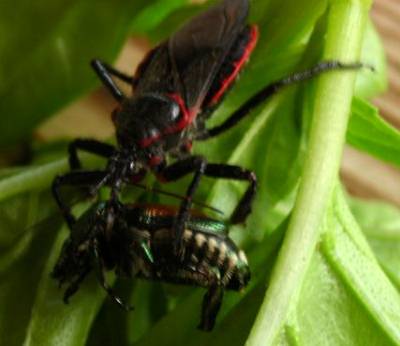
The scarlet-bordered assassin bug (Rhiginia cruciata) is a striking red-and-black true bug that preys on Japanese beetles and other pests. Adults and nymphs pierce prey with a beak and suck fluids. Encourage Them Avoid
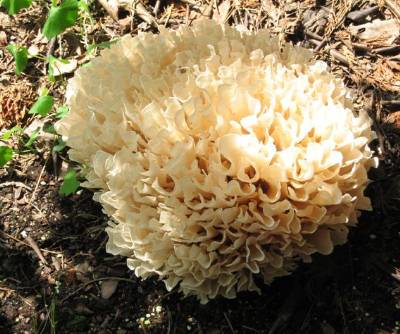
Cauliflower Mushroom: Edible but Identify with Caution
Cauliflower mushroom (Sparassis spathulata or Hydnopolyporus palmatus) appears in shaded, moist woods. It’s a brain-like mass of wavy, cream-colored fronds. Both species are reported edible, but mushroom identification m
Controlling Wild Onions in Horse Pastures: Herbicide Options
Wild onions (wild garlic) in horse pastures can be controlled with several broadleaf herbicides that have no grazing restrictions for horses or beef cattle: 2,4-D WeedMaster Grazon P+D PastureGard Forefront Restriction
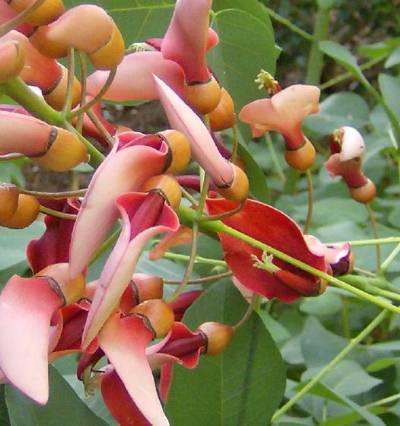
Cockspur Coral Bush (Erythrina crista-galli): Tropical Shrub with Thorns
Cockspur coral bush (Erythrina crista-galli) bears stunning red, pea-like flowers on thorny branches. It’s marginally hardy in north Georgia (Zone 7b) but survives in protected spots. In south Georgia, it’s a reliable pe
Copyright © www.100flowers.win Botanic Garden All Rights Reserved