
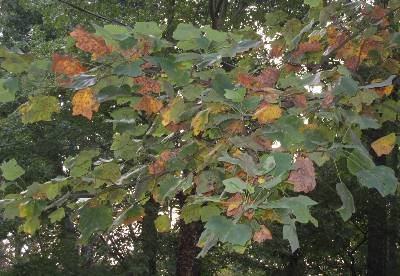
Tulip Poplar Leaf Drop in Drought: Normal Survival Strategy
Tulip poplars (Liriodendron tulipifera) are the first trees to shed leaves in hot, dry weather. It’s a drought-avoidance tactic. They usually recover without supplemental water. Oaks and white pines show more lasting dam


Birds Stealing Cushion Stuffing: Offer Nesting Material Instead
Birds pulling polyester stuffing from outdoor cushions need nesting material. Provide a dedicated dispenser: Use a suet cage (remove suet). Fill with 6-inch yarn pieces, dryer lint, fabric strips, dried grass, pet hair.
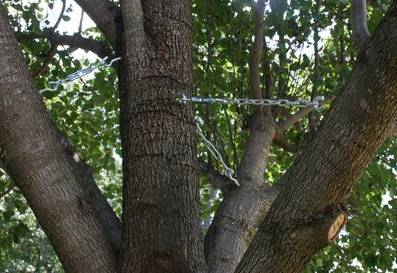
DIY Tree Cabling: Dangerous and Ineffective
Homeowner-installed cables with turnbuckles and screw eyes are too small and poorly placed to support limb weight. Certified arborists calculate wind loads and limb dynamics. Improper cabling creates false security and h
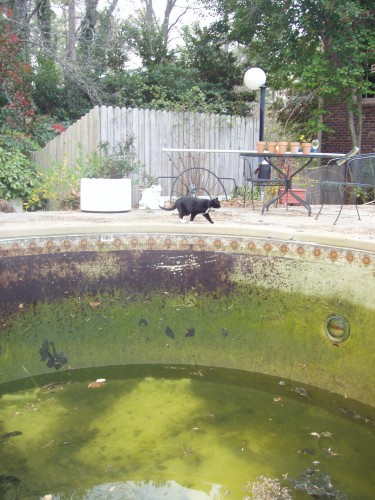
Filling In a Swimming Pool for a Garden: Professional Process
Converting an old pool to a garden requires proper engineering to prevent sinkholes and ensure drainage: Break holes in deep end; demolish deck and upper 3 ft of walls. Dump rubble into pool. Fill with #57 stone (½–1¼ i
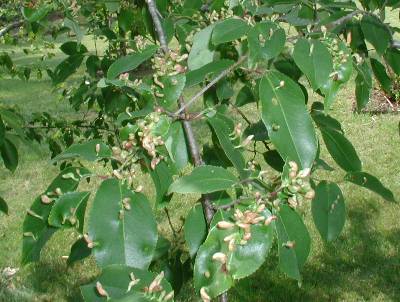
Cherry Leaf Galls: Harmless Bumps Caused by Insects
Bumps on cherry leaves are galls—insect-induced growths. Aphids, mites, wasps, or midges lay eggs; plant tissue swells around them. Each insect makes a characteristic gall shape. Galls don’t harm tree health. Common Gall
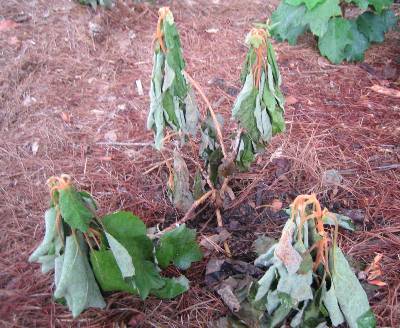
Oakleaf Hydrangea Root Rot: Armillaria Strikes After Overwatering
Rapid wilting and death of ‘Snowflake’ oakleaf hydrangea in well-watered soil suggests Armillaria root rot. The fungus thrives in excess moisture. No fungicide cures it. Recovery Steps Remove dead plants and roots. Amen
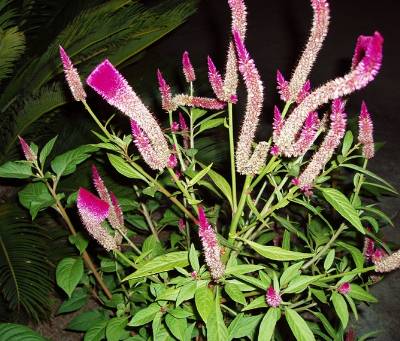
Celosia Types: Spicata, Cristata, and Plumosa Explained
Celosia (Celosia argentea) has three distinct flower forms: Spicata (wheat celosia): Narrow, spiky flower heads. Cristata (cockscomb): Broad, crested, brain-like heads. Plumosa (feather celosia): Feathery, plume-like he
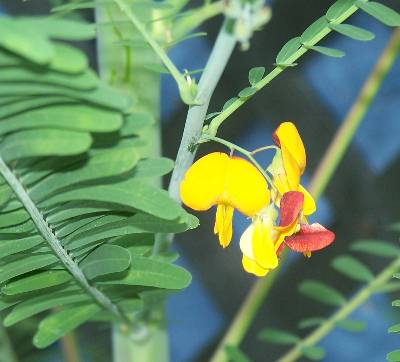
Bladderpod (Sesbania vesicaria): Tall, Ferny, and Invasive
Bladderpod (Sesbania vesicaria) grows 8+ feet with fern-like leaves that fold at night. Yellow pea flowers produce inflated seed pods. Native to Southeast but invasive; seeds toxic to cattle and goats. Control Pull befo
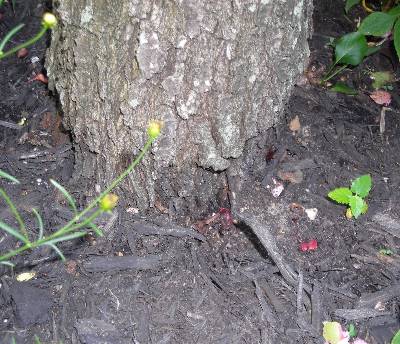
Tree Trunk Rot from Mulch Volcanoes: Keep Mulch Off the Bark
Piling mulch against a tree trunk (“mulch volcano”) holds moisture, causing bark rot and eventual tree death. The flare (where trunk widens to roots) must be visible. Correct Mulching Keep mulch 6–12 inches away from tr
White Pine Decline: Pine Wilt or Root Disease After Absence
Returning from a trip to find white pines dead or browning suggests pine wilt nematode (Bursaphelenchus xylophilus) or root rot. Pine wilt kills rapidly in summer; needles turn brown but stay attached. Root rot (e.g., Ph
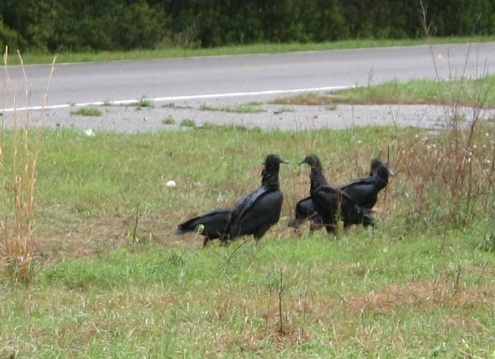
Vulture Roost Control: Harassment and Professional Help
Large vulture roosts cause odor and mess. Legal harassment methods: Starter pistol (blank shots) at roosting time—check with GA DNR for loaner and notify neighbors. Effigies (fake dead vultures) hung in roost trees. Las
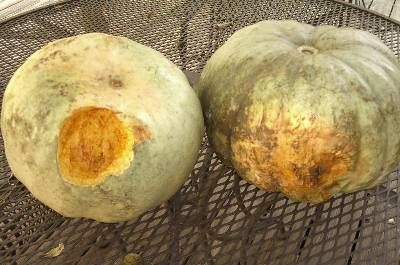
Mouse Damage to Pumpkins: Trapping Tips for the Patch
Small, clean holes in green pumpkins suggest mice. Raccoons leave claw marks; deer leave hoof prints; coyotes make larger bites. Mouse Trapping in the Patch Set 6 snap traps baited with peanut butter. Place a slice of a
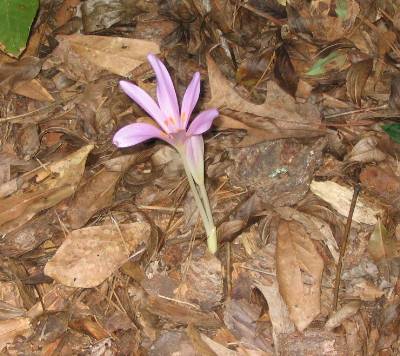
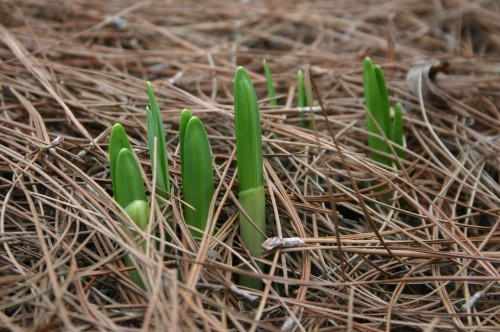
Rain Lily (Zephyranthes atamasco): Blooms After Rain in Late Summer
Rain lily (Zephyranthes atamasco) blooms in early September after heavy rains. Leaves appear in spring, die back, then flowers emerge on leafless stems. Named for Zephyrus, Greek god of the west wind bringing rain. Cultu
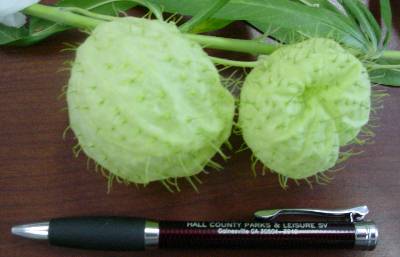
Balloon Cotton Bush (Asclepias physocarpa): Milkweed with Hairy Pods
Balloon cotton bush (Gomphocarpus physocarpus, syn. Asclepias physocarpa) is a milkweed relative with inflated, hairy green seed pods. Also called “hairy balls” or “family jewels bush.” It’s an annual in Georgia, self-se
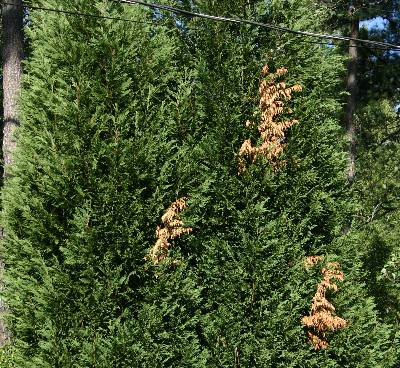
Leyland Cypress Dieback: Seridium Canker from Drought and Cold
Leyland cypress branches turning brown after drought or severe cold indicate Seridium canker. Thin bark splits, allowing fungal entry. Cankers girdle twigs, killing foliage beyond. No fungicide cures it. Management Prun
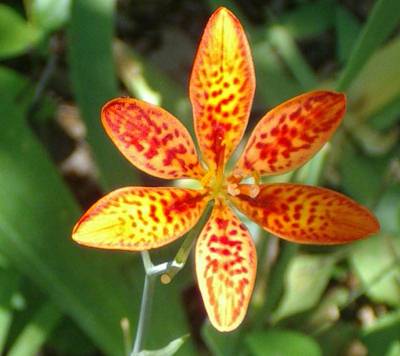
Blackberry Lily (Belamcanda chinensis): Orchid-Like Flowers, Blackberry Seeds
Blackberry lily (Iris domestica, formerly Belamcanda chinensis) bears orange-spotted, iris-like flowers in summer, followed by clusters of shiny black seeds resembling blackberries. It’s a perennial for full sun. Growing
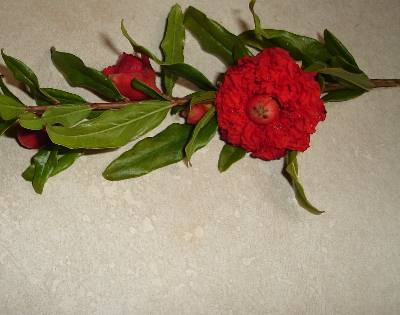
Double-Flowered Pomegranate 'Chico': Ornamental, Not Fruiting
Double-flowered pomegranate (Punica granatum ‘Chico’) has carnation-like blooms and a fleshy “hip” but no edible fruit. It forms a dense, 3–4 ft shrub with glossy leaves. Hardy to Zone 8a (20°F); protect in colder zones.
Mothball Toxicity: Naphthalene and Paradichlorobenzene Risks
Mothballs contain naphthalene or paradichlorobenzene—both toxic to humans and pets with prolonged exposure. Symptoms include headache, nausea, liver/kidney damage, and cancer risk. Action Steps Remove mothballs immediat
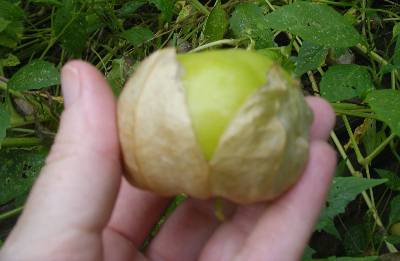
Tomatillo Identification: The Husk Tomato in Your Garden
Tomatillo (Physalis philadelphica) grows as a bushy plant with papery husks enclosing green, tomato-like fruits. The fruit fills and splits the husk when ripe. It’s a key ingredient in salsa verde. How It Got There Bird
Neem Tree in Georgia: Only Far South Florida
Neem (Azadirachta indica) is tropical, hardy only in Zone 10b+ (southern Florida). Sandalwood, teak, and rosewood need even warmer climates. None grow outdoors in Georgia. Alternatives for Georgia Grow neem in a large c
Copyright © www.100flowers.win Botanic Garden All Rights Reserved