

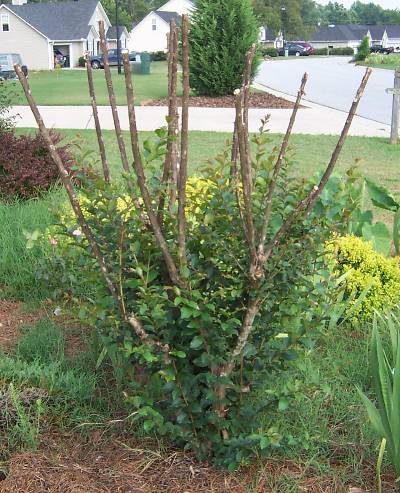
Fixing a Crapemyrtle with Dead Top: Renewal Pruning in 3 Steps
When a crapemyrtle’s top dies (from cold or drought), it sprouts from the base. Restore tree form: Cut out all dead, leafless trunks at ground level. Select 2–3 strong, vertical shoots from the base as new trunks. Remov

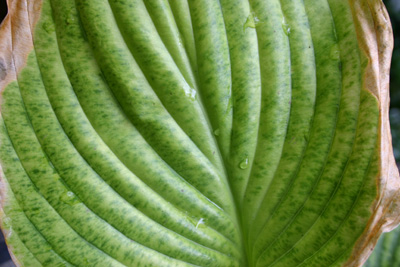
Hosta Virus X: Mottled Leaves Mean Incurable Infection
Odd green mottling (light/dark patches) on hosta leaves signals Hosta Virus X (HVX). Once sold as variegated cultivars, these plants were recalled when the viral cause was discovered. Critical Actions Remove and destroy
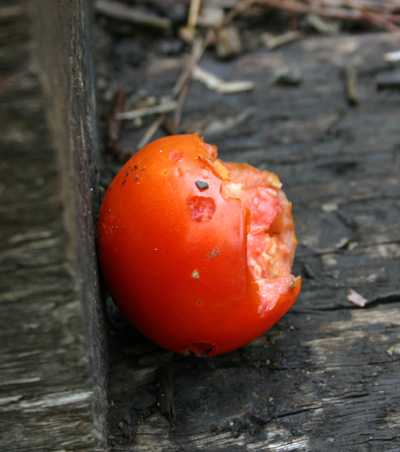
Tomato Damage: Turtles Eat Low Fruit, Squirrels and Birds Take the Rest
Box turtles eat ripe tomatoes but cannot climb. Damage high on the plant is from squirrels or birds. Protection Strategies Birds: Cover plants with bird netting. Squirrels: Live-trap and relocate (with permission). No e

Nishiki Willow in Georgia: Hardy but Disease-Prone
Nishiki willow (Salix integra ‘Hakuro-nishiki’) is hardy in Zones 5–8, so it survives Georgia winters (Zones 7–8). However, willows in Georgia often suffer from cankers and leaf spots, shortening their lifespan. Consider
Sanitizing Yard After Dog Waste: Nature Does the Work
After removing dog waste, you don’t need chemical sanitizers. Sunlight (UV) and oxygen naturally break down pathogens. Simply: Pick up solids promptly. Allow sun and air to penetrate the soil. Rake or aerate occasionall
Growing Yacon (Smallanthus sonchifolius) in Georgia: Marginal at Best
Yacon, an Andean root crop, is only reliably hardy in extreme south Georgia. Frost kills top growth; roots may survive with heavy mulch but yields will be low. Seed sources are scarce in the U.S. If You Try Plant in spr
Propagating Leyland Cypress: Difficult for Homeowners
While professionals propagate Leyland cypress easily via cuttings under mist systems, homeowners face low success rates. The process requires: Precise timing (late winter/early spring). Bottom heat and high humidity (mi
Dog Park Design: Fixing Mud and Grass Destruction
A 50×100 ft dog park with a bowl-shaped low spot turns into a mud pit. Centipede grass can’t handle heavy traffic. Solutions: Surface Options Bermudagrass: Fastest recovery from wear—but only grows actively in summer. D
Mockingbird Bullying at Bird Feeders: Territorial Solutions
Mockingbirds fiercely defend territory around feeders, chasing away other birds. They claim the feeder area as their own. Deterrent Strategies Move the feeder 20+ feet away—may fall outside the mockingbird’s territory.
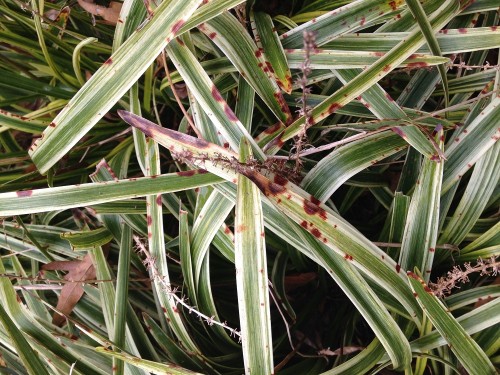
Liriope Anthracnose: Red-Brown Spots Mean Fungal Disease
Reddish-brown spots on liriope (monkey grass) indicate anthracnose (Colletotrichum spp.). Manage it with sanitation and fungicide. Treatment Plan Mow or cut back all infected foliage in late winter (before new growth).
Oak Firewood Vinegar Smell: Normal, Not Slime Flux
Freshly cut red oak (including black oak) often emits a strong vinegar odor. This is a natural characteristic of the wood, not slime flux or bacterial infection. The smell dissipates as the wood dries. No Health or Tree
Ponytail Palm Offshoots: Trunk Sprouts vs. Base Offsets
Ponytail palm (Beaucarnea recurvata) produces two types of shoots: Trunk sprouts: Juvenile branches emerging from the main trunk. Leave them—they become additional heads. Base offsets (pups): Small plants at soil level.
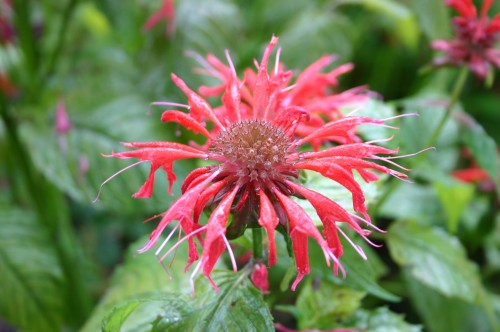
Best Plants for Bees: Year-Round Forage for Your Apiary
Supporting bees means providing nectar and pollen from early spring through fall. Arty Schronce (GA Dept. of Agriculture) recommends this extensive list: Trees & Shrubs Cornelian cherry dogwood, flowering quince, pussy w
Winter Plant Protection: Black Plastic Beats Clear
Covering plants with plastic in winter? Use black, not clear. Clear plastic traps solar heat, causing extreme temperature swings—overheating by day, freezing by night. Black plastic absorbs heat but keeps the covered are
Muskrat Control in Pond Dams: Trapping and Professional Help
Muskrats burrowing into pond dams compromise structural integrity. Trapping is the primary control method. Steps to Take Set live traps or conibear traps at active burrow entrances. Check local regulations; a trapping l
Memorial Plants for a Beloved Pet: Honoring 'Harley'
No plants are named ‘Harley’ or ‘Motorcycle,’ but you can choose cultivars with evocative names that capture a bulldog’s spirit: Hosta ‘American Icon’ – Bold, patriotic. Hosta ‘Silver Streak’ – Fast, flashy. Switchgrass
Wasps in the Fireplace: Chimney Flue vs. Vent Solutions
Wasps entering the house when you light a fire likely nest in the chimney flue, not the gas vent (heat would kill them there). They enter through cracks in the chimney structure. Action Plan Wait until summer when wasps
Butterfly Amaryllis (Hippeastrum papilio): Why It Won’t Bloom
Butterfly amaryllis is a species amaryllis with exotic, green-and-burgundy striped flowers. It’s often shy to bloom. Key requirements: Mature bulbs: Need to reach flowering size (often 3+ years from offsets). Distinct r
Using Coal as Mulch: Messy and Not Recommended
Coal mulch creates black dust that tracks everywhere—impossible to clean off rugs, decks, or patios. It’s hard to keep free of leaves and needles, and doesn’t look good long-term. While not toxic to plants, it’s impracti
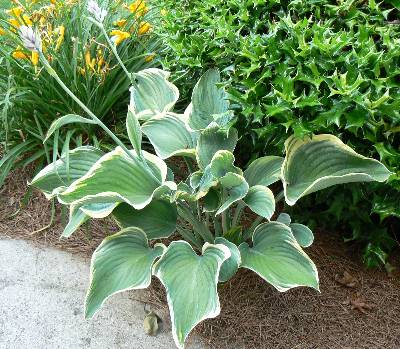
Hosta ‘Sagae’: Award-Winning Giant with Blue-Green Foliage
Hosta ‘Sagae’ is a magnificent specimen forming a large, vase-shaped mound of thick, blue-green leaves with creamy yellow margins that mature to white. It’s a sport of ‘Frances Williams’ with better substance and slug re
Copyright © www.100flowers.win Botanic Garden All Rights Reserved