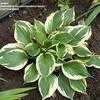



How to Safely Apply Compost to Your Hosta Bed
Youve got a thriving hosta bed and its time for that semi-annual compost application. While working compost into the soil a few inches deep with a hand cultivator sounds ideal, the risk of damaging those shallow hosta ro

Do Birds Eat Fescue Seed? Minimal Impact If You Seed Right
Yes, birds will eat some fescue seed during fall overseeding, but the loss is negligible if you follow best practices. Sow at the recommended 5–6 pounds per 1,000 square feet and cover lightly with clean straw. The straw
Boosting Cucumber Yields by Attracting Native Pollinators
If your cucumber harvest has dropped, poor pollination is the likely culprit. Wild honeybee numbers are down, but dozens of native bees, flies, and wasps are eager to help—if you feed them. Plant a succession of pollinat
Organic vs. Synthetic Lawn Care: Both Work If You Focus on Grass Health
Healthy lawns can thrive under organic or synthetic programs—the key is grass vigor, not the product label. Dense, robust turf naturally crowds out weeds. Whether you choose a contractor using compost teas or conventiona
Sugar as Lawn Fertilizer? A Sweet Myth That Doesn't Add Up
Internet rumors claim sugar feeds soil microbes and starves weeds by locking up nitrogen. The logic collapses under scrutiny: your lawn grass needs nitrogen just as much as weeds do. Depleting soil nitrogen weakens the t
Are Knock Out Rose Petals Safe for Culinary Decoration?
Good news for dessert decorators: Knock Out rose petals are not toxic. They make lovely, edible garnishes for cakes, salads, and drinks. The critical caveat is pesticide residue—only use petals from plants that have neve
Propagating a Snowball Bush by Air Layering: A Reliable Method for Woody Shrubs
Want a clone of your parents gorgeous snowball bush? Air layering is the most dependable way to root woody shrubs. In spring, select a pencil-thick branch, wound it by removing a 1-inch ring of bark, and wrap the wound w
Smart Planter Fillers: Save Soil and Weight with Sand-Filled Bottles
Filling large porch planters entirely with potting soil is wasteful and heavy. Most container roots only penetrate the top 12 inches. Below that, soil just adds cost and weight. A simple hack: fill clean 2-liter soda bot
Why You Can't Buy St. Augustine Seed—and How to Thicken Your Lawn Anyway
Many homeowners ask for St. Augustinegrass seed to fill thin spots, but it doesnt exist commercially. This hybrid grass produces mostly sterile seed heads in summer. Since seeding isnt an option, focus on cultural practi
Seeding Zoysia Grass: Kill Weeds First for a Uniform Lawn
Zoysia makes a magnificent lawn, but its slow to establish whether you use sod, plugs, or seed. If youre converting a mixed-grass area, the only way to get a uniform stand from seed is total renovation. Kill all existing
Is Your Indian Hawthorn Still Alive? The Scratch Test Reveals All
Dont let a few lingering green leaves fool you—an Indian hawthorn may be mostly dead. To assess viability, perform the scratch test: use a razor knife to gently scrape bark on random limbs. Bright green tissue underneath
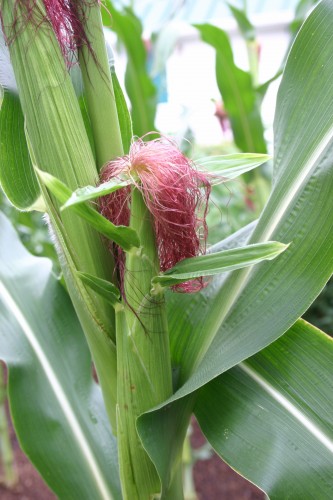
Planting Sweet Corn for a Grandchild's Garden: A Step-by-Step Guide
What better birthday gift than a patch of sweet corn a toddler can watch grow? Choose a sunny, square plot—square blocks ensure better wind pollination than long rows. For unbeatable flavor, plant a sugar-enhanced variet
Vines for Stone Walls: Alternatives to Cold-Tender Creeping Fig
Creeping Figs Cold Vulnerability Creeping fig and Confederate jasmine are beautiful but can be killed back by severe winters in Atlanta. If youve seen widespread dieback, consider hardier options. Tougher Climbers for S
Why Cedar Waxwings Fly Into Windows: The Fermented Berry Effect
Finding dead cedar waxwings near building entrances is a grim but common spring sight. The cause isnt disease or collision confusion—its intoxication. Waxwings gorge on over-ripe berries from nandina, hawthorn, and pyrac
Snakes on the Doorstep: Why They're There and How to Deter Them
Theyre Just Warming Up Snakes on doorsteps are typically using the warm concrete to raise their body temperature before hunting mice, crickets, or other prey. Most are non-venomous but still startling. Remove Attractive
Can You Grow Cranberries in Georgia? No—Here's Why
Wrong Climate Entirely Cranberries require cool summers, cold winters, and consistently wet, acidic soil—conditions found in northern bogs, not Georgias heat and humidity. Experimental Growers Welcome If youre determine
Pruning Pyracantha Without the Bloodshed: Battery-Powered Hedge Trimmers
Pyracanthas Vicious Thorns Hand-pruning pyracantha (firethorn) is a bloody affair. Its thorns are needle-sharp and relentless, making even routine maintenance a hazard. A Game-Changing Tool A battery-powered hedge trimm
Adding Color to Sandy Soil Landscapes Near Savannah
Sandy Soil Demands Organic Matter Sand drains instantly and holds few nutrients. Whatever plants you choose, always amend planting areas with compost or organic matter to create a moisture- and nutrient-retentive root zo
Armadillo Damage in the Yard: Identification and Control
Classic Armadillo Signs Large holes and trench-like excavations around foundations are telltale armadillo activity. They root through soil with their snouts hunting grubs, earthworms, and insects. Expanding Range in Geo
Eliminating Briars After Tornado Damage: Strategies for Creek-Side Control
Identify the Culprits Youre likely dealing with wild blackberry or smilax (greenbrier)—both aggressive, thorny vines that thrive in newly sunny areas after tree loss. Physical Removal Is Most Effective Digging out root
Copyright © www.100flowers.win Botanic Garden All Rights Reserved