
Why ‘Nikko Blue’ Hydrangeas Stop Blooming in Cold Climates
‘Nikko Blue’ hydrangea blooms on old wood. In northern Vermont (Zones 3–4), winter cold kills the flower buds formed the previous summer. The first few years may have had enough bud survival for blooms, but eventually, a

Red Shield Hibiscus: Tropical Beauty, Not Hardy in North Georgia
Hibiscus acetosella ‘Red Shield’ dazzles with deep purple, maple-like foliage and pink flowers. But it’s only hardy to Zone 8b (approx. Macon, GA). In Loganville (Zone 7b), it will not survive winter outdoors. Options fo
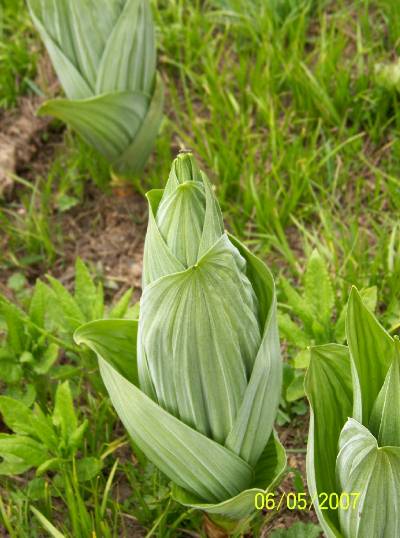
False Hellebore (Skunk Cabbage): Beautiful but Poisonous Mountain Plant
Found in Colorado’s subalpine zones, false hellebore (Veratrum tenuipetalum) resembles true skunk cabbage (Symplocarpus foetidus East, Lysichiton americanus West) but is highly toxic. All parts contain alkaloids that cau
Pruning Leyland Cypress: Yes, You Can Control Size
Leyland cypress (× Cuprocyparis leylandii) responds well to pruning. In England, they’re routinely sheared into hedges. You can reduce height and width, but follow these rules: Prune in late winter or early spring befor
Hulled vs. Unhulled Bermuda Grass Seed: Which to Choose?
Bermuda grass seed comes in two forms, each suited to different planting times: Hulled seed: Outer coat removed. Germinates quickly in warm soil. Plant in early summer (June) at 1–2 lbs/1,000 sq ft. Uniform emergence, e
Gardening Resources in the Chicago Area: Radio, Books, and Experts
If you garden in the Chicago region, these local experts provide climate-specific advice: Mike Nowak – Host of “Let’s Talk Gardening” on WGN Radio. Website: mikenowak.net. Jim Fizzell – Author of “Month-by-Month Gardeni
Flea Control with Diatomaceous Earth: Patience and Persistence Required
Diatomaceous earth (DE) kills flea larvae by desiccation, but it doesn’t work overnight. Expect weeks, not days. DE is ineffective against adult fleas and ticks. Here’s how to use it properly. Effective DE Strategy Appl
Browntop Millet: A Quick Summer Cover Crop Before Fall Fescue
Browntop millet is an excellent temporary ground cover for summer. It germinates fast in heat, stabilizes soil, and can be mowed to look decent. Perfect for holding a site before planting fescue in fall. Planting and Man
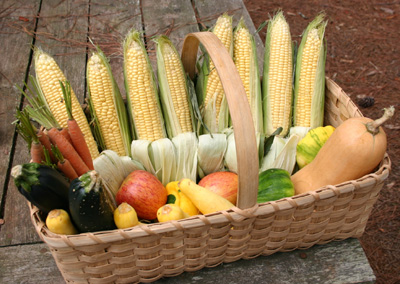
Canning and Preserving Your Garden Harvest: Resources for Safe Food Storage
Growing food is rewarding; preserving it extends the bounty. The University of Georgia offers excellent resources for safe canning, freezing, drying, and pickling. Top Resource “So Easy to Preserve” – 6th edition book an
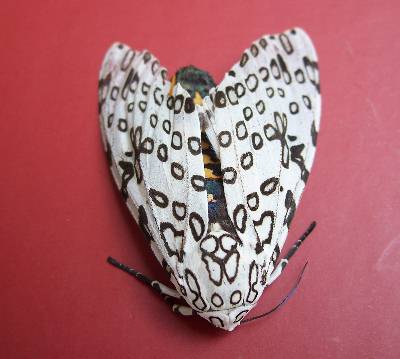
Giant Leopard Moth: Striking Black-and-White Insect Identification
The giant leopard moth (Ecpantheria scribonia) is a stunning moth with white wings covered in black, geometric spots—often mistaken for a butterfly. Its caterpillar is a familiar “woolly bear” seen in late summer. Key Fe
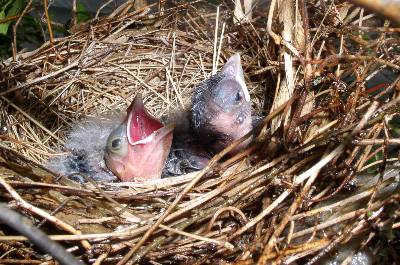
Cardinal Nest Drama: Abandoned Eggs, Return, and Surprise Hatchlings
A cardinal built a nest on a porch. Frequent human checking caused her to abandon three eggs. After 10 days, she returned and incubated for over a week. The observer assumed the eggs weren’t viable. Then—two babies fledg
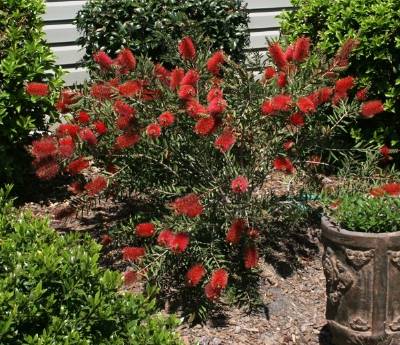
Bottlebrush (Callistemon) in North Georgia: Marginal Hardiness, Try Sheltered Spot
Bottlebrush (Callistemon citrinus or C. subulatus) is not winter-hardy in Atlanta, let alone north Georgia. A 7-year-old plant in DeKalb is exceptional—likely in a microclimate. If Moving Plant in a sheltered, south-fac
Accidental Roundup on Trees/Shrubs: Little Hope After 24 Hours
24 hours, systemic translocation has occurred. Prayer is about all thats left. Some plants may resprout from roots if not fully killed. Immediate Action (if <24 hrs) Hose off foliage thoroughly. Apply activated charcoal
Palm Seed Germination: Follow Established Protocols
Palm seeds often require cleaning, soaking, and warm, humid conditions. The metric-system directions you received are standard. See Palm Seed Germination for a reliable step-by-step guide. Key Steps Remove fruit pulp. S
Transplanting Wild Blackberries: Best Done in September
Move wild blackberries in September. Identify this years fruiting canes (brown, dying) and leave them. Dig vigorous green canes (next years fruiters) and replant along the new fence line. Method Cut canes to 2–3 feet. D
Volunteer Squash: Safe to Eat, Just a Hybrid Surprise
A volunteer squash producing round yellow fruits instead of straightneck is a natural cross with a round-fruited relative (e.g., acorn, pattypan). Its perfectly edible—just a genetic mix. Enjoy It Cook as usual. The flav
Autumn Joy Sedum: Cut Back by One-Third in June for Sturdier Stems
Tall, floppy Autumn Joy sedum benefits from a June cutback: remove one-third of height. This delays flowering slightly but produces stronger stems that dont lodge. Timing Early to mid-June is ideal. New growth will be co
Rozalea: Florist Azalea, Not for Landscape Planting
Rozalea is a greenhouse-forced azalea sold by florists for temporary indoor display. It lacks cold hardiness and usually dies if planted outdoors. What to Do Enjoy it as a seasonal houseplant. For outdoor azaleas, choose
Asiatic Lilies: One Bloom Per Summer, Then Foliage Only
Asiatic lilies bloom once in early summer. After flowers fade, the plant grows foliage to replenish the bulb for next year. No rebloom—this is normal. Care Deadhead spent flowers. Leave foliage until it yellows in fall.
Cocoa Bean Shell Mulch: Aromatic but Toxic to Dogs
Cocoa bean shell mulch smells like chocolate but contains theobromine, which is toxic to dogs if ingested. Curb Appeal featured it, but pet owners should avoid it. Alternatives Use pine straw, hardwood mulch, or pine bar
Copyright © www.100flowers.win Botanic Garden All Rights Reserved