


Cheesecloth—lightweight cotton traditionally used in cheesemaking—has numerous garden applications thanks to its breathable, light-permeable nature.
Floating row cover: allows water, air, light through while blocking cold. Drape loosely, anchor edges with pins/rocks/soil. Remove before heat or bloom (for pollination).
Gauzy fabric lowers temperature, retains moisture, blocks up to 85% direct sunlight. Drape directly over plants. Weave density varies (extra-fine to open).
Loose cover protects from predatory pests without harming beneficials. Remove for pollination and before heat (unless heat protection needed).
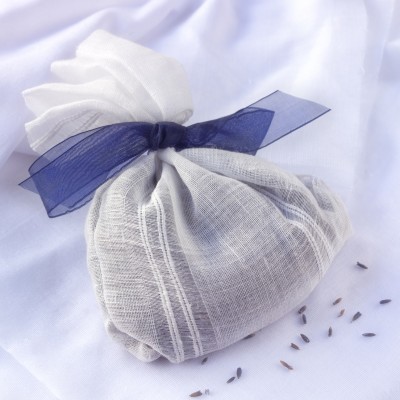
Herbal repellent sachet: chives, garlic, lavender, cedar chips (+ lemon peel, rosemary, cedar oil) in cheesecloth pouch, hung near affected plants—deters codling moths.
Strainer for compost/manure tea. Planting medium for starting seeds or sprouting tiny seeds (chia, flax).
Fine unbleached muslin. Coffee filters (too small for garden beds but great for pot drainage holes).
Cheesecloth is inexpensive and widely available at fabric, cooking, and craft stores.
Pro Garden Tips: Soil, Seeds, and Smart Strategies for Better Results
10 Safety and Maintenance Tips for Garden Tools
Vegetable Garden Tips: Reduce Work, Increase Enjoyment
Expert Horticulture Tips for a Thriving, Beautiful Garden
Top Tips for a Thriving Organic Garden: Expert Strategies
Create an Unforgettable Garden: Professional Design and Care Tips
Using Oatmeal in the Garden: Pest Control, Fertilizer, and Skin Relief
Best Flowers for Organic Gardens: Native Plants, Healthy Starts, and Soil Building
Creating a Stunning Water Garden: Design and Maintenance Tips
5 Essential Steps to Design Your Dream Landscape
Halloween Garden Décor: Themed Ideas for a Festive, Not Frightening, Display
Vinegar in the Garden: What Works, What Doesn't, and Surprising Uses
Outdoor Garden Lighting: Design Ideas and Installation Tips
Creating a Beautiful Dish Garden: Design Tips and Plant Selection
Copyright © www.100flowers.win Botanic Garden All Rights Reserved