


That chattering, whirring sound from your fireplace each summer? It's almost certainly not bats—it's chimney swifts, remarkable aerial insectivores that have adapted to nesting in vertical masonry shafts.
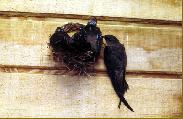
Chimney swifts (Chaetura pelagica) are small, sooty-gray birds with cigar-shaped bodies and long, curved wings. They cannot perch horizontally; their feet are adapted for clinging to vertical surfaces. They build bracket-shaped nests of twigs glued with saliva directly onto chimney walls.
The noise peaks when nestlings hatch. Parents return frequently with insect meals, greeted by loud begging calls. The whirring sound is adult wingbeats in the confined flue. This lasts several weeks until fledging, typically ending by early fall when the birds migrate to South America.
Swifts consume thousands of flying insects daily, including mosquitoes, flies, and agricultural pests. Their nests pose minimal fire risk. If the noise is intolerable, stuffing fiberglass insulation into the damper area muffles sound without harming the birds. A chimney cap with mesh sides prevents future nesting if desired, but many homeowners come to appreciate their seasonal presence and insect-control services.
Small Hornet Nest Removal: Safety for Allergy Sufferers
Managing Moles: Why Traps Fail and What Actually Works
Fox Squirrel: Large, Variable-Colored Squirrel of the Southern U.S.
Reptile Droppings in Remodeling: Snake or Lizard Scat Identification
Installing a Bat House: Safe, Effective, and Certified
Coffee as Fertilizer for Nepenthes: Limited Trial Results
Lilies: The Great Garden Plants for Beauty, Fragrance, and Cut Flowers
Paperwhites: Fragrant Winter Blooms for Holiday Cheer
Managing Ants in the Garden: Controlling Aphid-Farming Ants
Pansies and Deer: Not a Resistant Combination
Identifying and Removing Bat Droppings from Your Home's Siding
Copyright © www.100flowers.win Botanic Garden All Rights Reserved