


Asian ambrosia beetles have become a serious threat to ornamental trees across the Southeast, attacking healthy specimens of cherry, crape myrtle, Japanese maple, redbud, and many other species. These tiny pests bore into trunks and introduce a deadly fungus that can kill a mature tree within a single season. Because predicting their spring emergence is difficult, monitoring traps provide a valuable early-warning system that helps time protective insecticide applications.
While traps won't capture every beetle in an area, they reliably indicate when flight activity begins. This allows homeowners and landscapers to apply bark sprays at the optimal moment, protecting vulnerable trees before infestation takes hold. The key is deploying traps by February 1, well ahead of the typical March emergence.
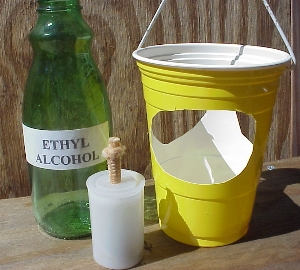
The most accessible trap uses common household items: a plastic cup, a film canister (or small bottle), a cotton wick, and ethyl alcohol—not rubbing alcohol. Cut two-inch holes in opposite sides of the cup for beetle entry. Place the alcohol-filled canister with its wick protruding into the cup's center, then add water to the bottom to drown captured insects. The ethanol vapor mimics the scent of stressed trees, luring female beetles searching for egg-laying sites.
For a more durable option, drill a half-inch hole lengthwise into a 2- to 4-inch diameter hardwood branch, about two feet long. Fill the hole with ethanol (grain alcohol or denatured alcohol), seal it with a cork, and hang the bolt waist-high at the woodland edge. Check weekly for the telltale "toothpicks" of boring dust that signal beetle activity.
Once traps confirm beetle flight, apply a labeled bark spray to susceptible trees. Repeat applications may be needed during extended flight periods. Combined with good cultural practices—adequate watering, mulching, and avoiding unnecessary wounding—trapping forms the backbone of an integrated management strategy for this destructive pest.
Asian Ambrosia Beetles on Crape Myrtle: Assess Before You Act
Japanese Beetle Decline Linked to Dry Summer
Eliminating Cigarette Beetles from Your Pantry: A 5-Step Plan
Organic Japanese Beetle Control: Soap, Pyrethrin, and Realistic Expectations
Chemical Control for Japanese Beetles: When Hand-Picking Isn't Enough
Tiny Brown Beetles in Home: Stored Product Pests, Not Woodworm
Longhorn Beetle ID: Cerambycidae Larvae Are Wood Borers
Resources for Managing Multicolored Asian Lady Beetle Populations
Asian Lady Beetle Invasion: Prevention and Indoor Control
Ambrosia Beetles on Crape Myrtles: Why Systemics Fail and Bark Sprays Work
Ambrosia Beetles in Oak Trunk: Signs of Long-Term Structural Decline
Copyright © www.100flowers.win Botanic Garden All Rights Reserved