
Maintaining an Open Meadow: Controlling Sweetgum Invasion
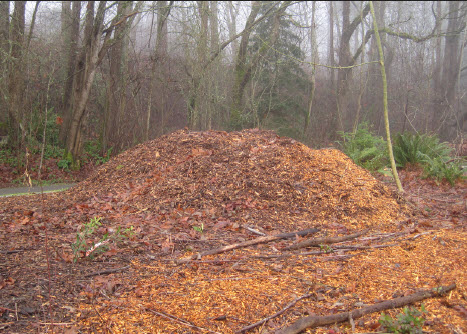
Nature favors forest succession over open meadows. Sweetgums resprout from roots and stumps after mowing. Mow in May and July to cut off food production, then immediately spray cut stumps with glyphosate to prevent regro

Plumbago Hardiness: Cape Leadwort vs. Hardy Leadwort
Two plants are sold as leadwort. Plumbago auriculata (Cape leadwort) is a half-hardy perennial that usually dies in Georgia winters. Ceratostigma plumbaginoides is a fully hardy groundcover. Cape leadwort blooms all summ
European Hornet Damage to Hollies: Identification and Management
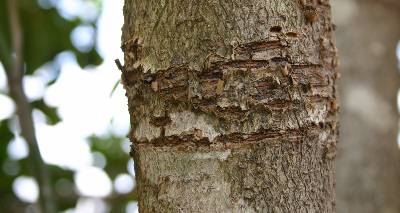
Concentric bark-stripping rings 4 ft up on Nellie Stevens hollies indicate European hornets (Vespa crabro), not voles. They chew bark for nest material and feed on sap. No effective prevention exists; maintain plant heal
Heeling In Shrubs During Construction: Preserving Plants for Replanting
To save large shrubs (osmanthus, azaleas, roses) during regrading, dig a trench 3 ft wide, 12 in deep, 20 ft long in a shady spot. Cut back shrubs by one-third, dig with as much root ball as possible, place in trench, co
Controlling Dog Urine Odor in Mulched Runs
Urine smells when bacteria convert it to ammonia in cold, wet conditions. Plant a tough evergreen groundcover like liriope or mondo grass downhill from the dog run to absorb and filter runoff. This natural biofilter redu
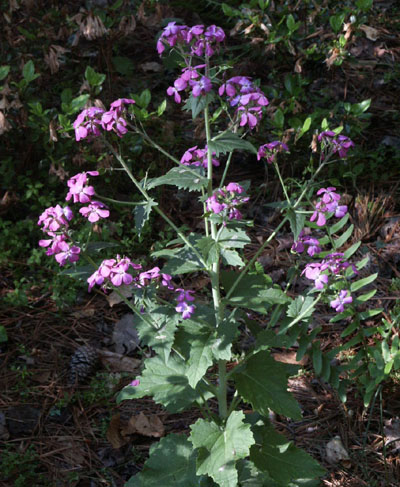
Growing Money Plant (Lunaria): Biennial Beauty for Spring Blooms and Silvery Pods
Money plant (Lunaria annua) is a biennial: sow seeds in spring or summer, and also in fall for staggered blooms. Plants grow foliage the first year, flower and produce silvery seed pods the second. Cold stratification im
Plum Tree Disease Prevention: Spray Schedule for Home Orchards
Plums require regular spraying to produce clean fruit. Apply fungicide at bloom to prevent brown rot, then a Home Orchard spray every two weeks until a few weeks before harvest. Consult the Home Orchard Spray Guide for d
Reusing Potting Soil for Container Tomatoes: Refreshing Drainage
If tomato plants were disease-free, reuse the potting soil. Mix in ground pine bark (Natures Helper) at a 1:10 bark-to-soil ratio to restore drainage. Empty pots onto a tarp, blend thoroughly, and refill. This saves mone
Rooting Contorted Willow (Corkscrew Willow) Branches
Contorted willow (Salix matsudana Tortuosa) branches can be rooted if not too dry. Soak overnight, cut 6-inch sections, insert into sand-filled clay pot, keep moist in a sunny window. Roots and leaves appear in 6 weeks.
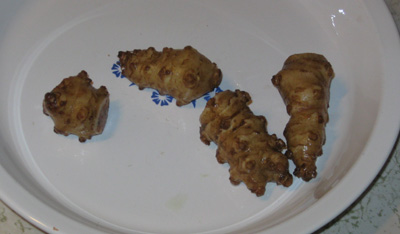
Jerusalem Artichoke (Sunchoke): Growing, Harvesting, and Eating
Jerusalem artichoke (Helianthus tuberosus) is a native sunflower with edible tubers. Plant tubers 2-3 inches deep in spring in well-drained, sunny soil. Harvest all winter; store in fridge to prevent shriveling. High fru
Best Landscape Plant Identification Book for Georgia
Rex Bishops A Field Guide to Woody Plants of the Southeast (Tea Olive Productions, $70) is excellent for Georgia gardeners. It contains color photos of 230 common trees and shrubs. Order from Rex at 770-317-9484 or Amazo
Speeding Up Compost Decomposition: Nitrogen, Insulation, and Patience
Fire ants in compost are actually beneficial—they aerate the pile. If theyre a nuisance, bait them. To accelerate decomposition, water the pile with a gallon of houseplant fertilizer solution (provides nitrogen for micro
Italian Cypress Seed Germination: Decoding Scarification and Stratification
Italian cypress (Cupressus sempervirens) seeds require scarification (soak 48 hours in lukewarm water) and stratification (30 days cold, moist in fridge with damp sphagnum moss and Captan fungicide). These terms simply m
Pruning French Hydrangeas Late in Season: What's Safe?
Removing faded flowers (deadheading) on French hydrangeas can be done anytime without affecting next years blooms. If you need to reduce size, shorten only the longest limbs, leaving the shorter branches produced in June
Winter Rose Care in Georgia: No Heavy Protection Needed
Unlike in colder Tennessee, Georgia roses dont need heavy winter protection. Cutting back to 12 inches and mulching is unnecessary; winter temperatures rarely drop low enough to damage the graft union. Most local rosaria
Buffalograss: A Native Turfgrass with Limitations in Georgia
Buffalograss is a native warm-season turfgrass that forms a dense, weed-resistant root system. However, it doesnt tolerate shade or foot traffic and thrives in 15-30 inches of annual rainfall—Georgias climate may be too
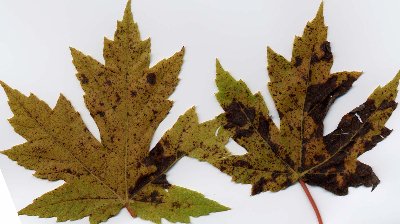
Silver Maple Misidentified as Sugar Maple: Leaf Spot Issues
The trees described are silver maples (Acer saccharinum), not sugar maples. Silver maples have weak limbs prone to breaking. The leaf spots (tar spot, phyllosticta, bacterial spot) are common but rarely fatal. No treatme
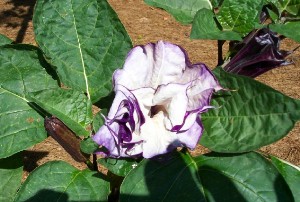
Planting Datura (Devil's Trumpet) Seeds: Timing and Care
Purple Horn of Plenty is Datura metel Double Purple, a Devils Trumpet with upward-facing flowers. Save seeds when pods split open, store cool and dry over winter, and plant in a sunny spot in spring. Note: all parts of D
Garlic and Mosquitoes: Myth vs. Science-Based Repellents
Eating garlic or spraying it in the yard does not repel mosquitoes—they lack the olfactory receptors to detect it. Repellents work by blocking mosquitoes ability to sense attractants like CO₂, lactic acid, and octenol. D
Norfolk Island Pine: Keep It Indoors—Not for Georgia Landscapes
Norfolk Island pine (Araucaria heterophylla) is a tropical plant, not a true pine, and cannot survive Georgia winters outdoors. Despite its potential 200-foot height in the wild, it must remain a houseplant here. Provide
Copyright © www.100flowers.win Botanic Garden All Rights Reserved