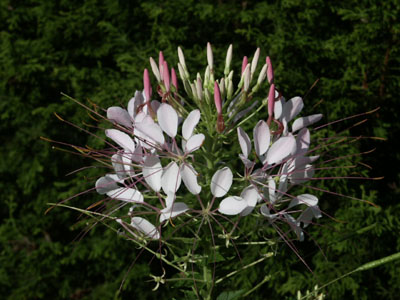
Growing Cleome (Spider Flower): Self-Seeding Beauty with Management Tips
Cleome self-seeds prolifically—one plant can yield hundreds. Sow seeds in April in the back of a sunny bed; they sprout in three weeks. Pink-lavender flowers bloom mid-summer, but plants become leggy by August. Prevent t


Rain Barrels and Cisterns: Calculating Water Collection Potential
Rain barrels are viable but capacity matters. One inch of rain on 1,000 sq ft of roof yields about 625 gallons—more than twelve 50-gallon barrels. Calculate your roof area and rainfall to determine how many barrels you n
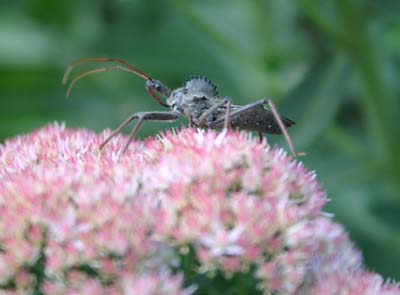
Wheel Bug: Beneficial Predator with a Painful Bite
The bad-ass bug with a saw-blade crest is a wheel bug (Arilus cristatus), a beneficial assassin bug that preys on aphids, bean beetles, and sawflies. Its saliva paralyzes insect prey, but its beak can inflict a painful b
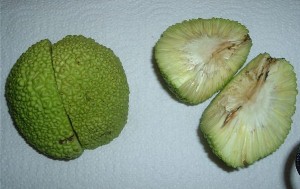
Osage Orange (Hedge Apple): Identification, Uses, and Cautions
The strange, brain-like fruit from the Confederate cemetery is osage orange (Maclura pomifera), also called hedge apple, bodark, or monkey brains. The fruit isnt poisonous but isnt palatable—horses and squirrels may nibb
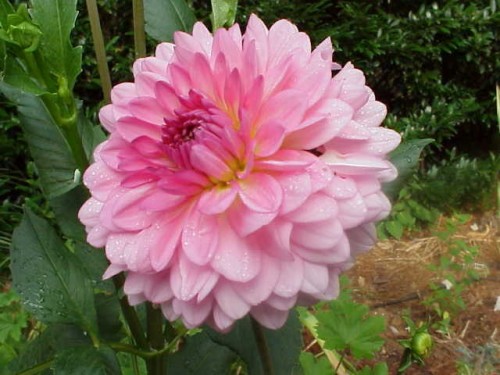
Dividing and Storing Dahlia Tubers: Two Schools of Thought
Dahlias can be dug and stored over winter or left in the ground in mild climates. For cautious gardeners: dig in late November, cut stems 2 inches above tubers, dry a few days, then store in a cardboard box with peat mos
Perennials for Year-Round Interest: Replacing Annual Beds
Annuals provide long bloom but require replanting; perennials return yearly but have shorter bloom periods. For a mailbox bed in sun, plant Homestead Purple verbena—it blooms April to frost and usually returns each sprin
Overwintering Boston Ferns: Indoor Care and Spring Division
Boston ferns cannot survive temperatures below 40°F. Bring them indoors for winter, placing them in the brightest light possible. Trim brown fronds as they appear. Consider donating excess ferns to schools or churches fo
Insecticide Half-Life: Is Soil Safe for Edibles After Orthene Use?
Orthene (acephate) is a mobile insecticide that washes out of soil rather than binding to particles, with a half-life of only three days. Half-life means the pesticide amount halves every three days: 1 → ½ → ¼ → ⅛, etc.
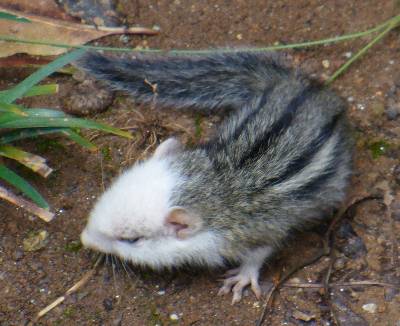
Albino Chipmunk: A Rare but Short-Lived Backyard Visitor
A white chipmunk in your yard is likely a piebald or albino individual. Like other mammals, chipmunks can exhibit albinism, but they rarely survive long due to high visibility to predators. Enjoy the rare sighting, but d
Making Maple Syrup from Red Maple Trees: A Backyard Experiment
Red maples can be tapped for syrup, though its labor-intensive. Ten trees are enough for a small experiment. Trees should be at least 10 inches in diameter. Tap in mid-February by drilling a hole and inserting a hollow s
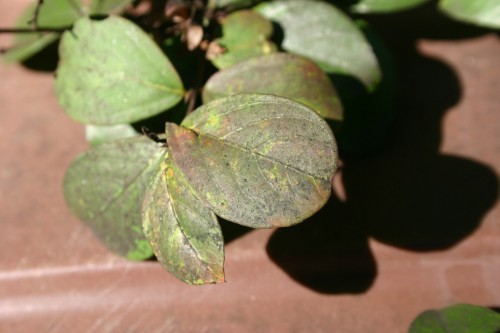
Fall Aphid Outbreaks: Identification, Natural Control, and Sooty Mold
Massive aphid populations in fall often appear as gnats covering trees, limbs, and the ground. Likely culprits are green peach aphids or crapemyrtle aphids—olive green with two rear tubes under magnification. Beneficial
Finding and Planting Spider Lily Bulbs (Lycoris)
Red spider lilies (Lycoris radiata) and surprise lilies (Lycoris squamigera) emerge in fall with blooms appearing before foliage. Sources include the Farmers and Consumers Market Bulletin classified ads (404-656-3722), O
Hardy Geraniums: Underused Perennial Ground Covers for Georgia Gardens
Hardy geraniums (true Geranium species, not the annual Pelargonium) are vastly underused in Georgia. They form a weed-suppressing mat of foliage with muted purple-to-lavender blooms, tolerating both drought and wet condi
Don't Prune Crape Myrtles in Fall: Wait Until Late December
Pruning crape myrtles in October to avoid leaf cleanup or because you dislike their winter appearance is a mistake. Research by Dr. Orville Lindstrom at the University of Georgia shows fall pruning reduces cold tolerance
Removing Bermudagrass from a Zoysiagrass Lawn: Strategies and Timing
Eliminating bermudagrass patches within a Zenith zoysiagrass lawn requires patience. UGA weed specialist Tim Murphy recommends spraying the bermudagrass with glyphosate three times at four-week intervals. Starting now wo
Pressure Washing Near Plants: Protecting Foliage and Roots from Bleach
When pressure washing your home, protecting nearby plants from bleach mixtures is a valid concern. Most homeowner pressure washers deliver a chemical-to-water ratio of 1:10 or greater via a suction tube. To determine you
Redbud Seed Pods: Identification and Cultivar Highlights
The small green bean-like structures on your Oklahoma redbud are seed pods—characteristic of the bean family (Fabaceae). Cercis reniformis Oklahoma is an excellent redbud for Georgia, with glossy deep green leaves and pr
Controlling Zoysiagrass Creeping into Asphalt Driveways
Zoysiagrass spreading into an asphalt driveway can be managed with two main approaches. Monthly spot-spraying with glyphosate (Roundup) along the driveway edge will gradually kill the encroaching grass. Alternatively, a
Where Did the Japanese Beetles Go? Drought's Surprising Benefit
If you had thousands of Japanese beetles last year but barely see any this year—and you didnt spray—thank the weather. Drought conditions the previous fall likely killed most of the eggs and grubs in the soil. This is on
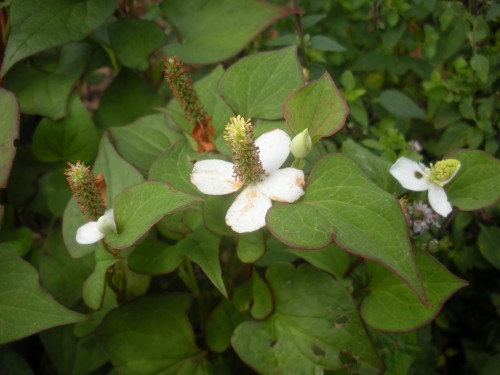
Chameleon Plant (Houttuynia): Beautiful but Invasive – Proceed with Caution
The plant sold as Chameleon houttuynia (Houttuynia cordata) is indeed the same one that becomes ragged in winter and leaves an unpleasant odor on your hands. While its colorful foliage is attractive in spring and summer,
Copyright © www.100flowers.win Botanic Garden All Rights Reserved