

Hydroponic Lettuce in a Plastic Tub: Resource Guide
Q: I saw your TV show about growing lettuce in a plastic tub. Can you give more details? Tom Wichman, Florida Master Gardener coordinator, introduced me to this method. He sourced all his information here.

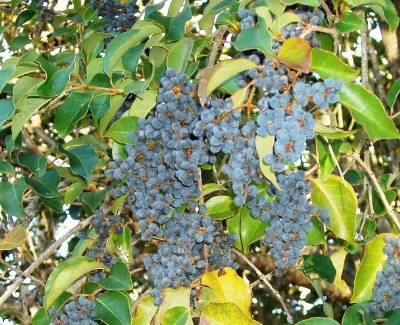
Japanese Ligustrum Identification: Invasive Tree with Winter Berries
Q: This tree was on our lot when we built. It has lots of berries in winter. What is it? Its Japanese ligustrum (Ligustrum japonicum), cousin to Chinese ligustrum (privet hedge). Leaves are opposite on stems (cherry laur
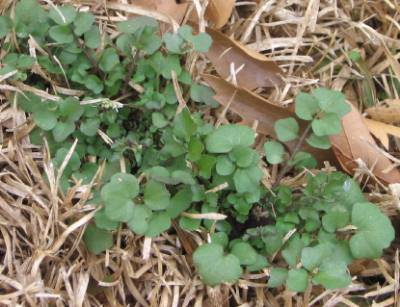
Hairy Bittercress Identification and Control in Centipedegrass
Q: I cant identify this weed in my centipedegrass despite pre-emergents. How do I treat it? Its hairy bittercress (Cardamine hirsuta). You caught it before flowering—soon itll have tiny white flowers and explosive seed c
Why You Should Avoid Cypress Mulch and Choose Pine Instead
Q: Is cypress mulch good for roses? Any bad effects? Cypress mulch wont harm roses, but I urge you not to buy it. Cypress swamp logging contributed to Hurricane Katrinas devastation—without those trees to buffer wind and
How to Remove Large Pampas Grass Clumps Effectively
Q: How do I get rid of two large pampas grass plants? Can I burn them? Dig them up? Burning fails because roots are insulated by soil. Instead: Cut clumps down to 6 inches. Run a lawnmower over the stumps repeatedly. We
Kimberly Queen Fern Winter Survival: Don't Give Up Too Soon
Q: My Kimberly Queen ferns died after an ice storm, but I see green grape-like things on the ground. Will they come back, or should I remove the dead parts? Kimberly Queen fern (Nephrolepis obliterata) is related to Bost
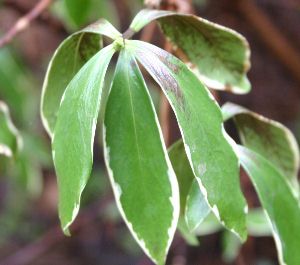
Why Your Daphne Is Wilting and Likely Can't Be Saved
Q: My daphne looks wilted. Watering didnt help. How can I save it? You probably cant. Daphne is highly susceptible to Phytophthora root rot, which also affects azaleas and rhododendrons. Once roots are clogged by the fun
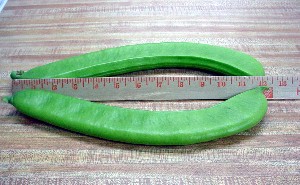
Jack Bean vs. Sword Bean: Identification and Edibility
Q: A friend got bean seeds from his dad called Fala beans—maybe fava beans? But these are 12 inches long! He says theyre good eating. Your friend has either jack bean (Canavalia ensiformis) or sword bean (Canavalia gladi
Do Rat Poisons Prevent Odor? The Truth About Rodenticides
Q: Is there a rat poison that keeps the dead rodent from smelling? I heard one contains formaldehyde to preserve the body. Thats a myth. No rodenticide dries out the carcass or contains formaldehyde. Most common poisons
Yellow-Necked Caterpillars on Blueberries: Control with Bt or Spinosad
Yellow-necked caterpillars (black with yellow stripes, form a C when disturbed) can defoliate blueberries but rarely kill plants. Spray with Green Light Spinosad or any Bacillus thuringiensis (Bt) product for control.
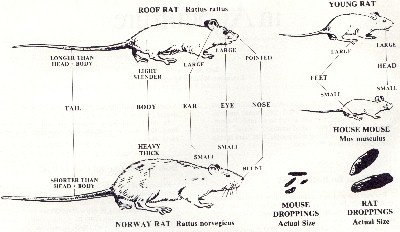
How to Tell Rat Droppings from Mouse Droppings
Q: We found animal droppings in our kitchen. My husband says mouse, I say rat. Can you tell the difference? Yes, by close examination: Mouse droppings: Resemble black grains of rice, ~¼ inch long, pointed ends. Rat drop
Identifying Poisonous Caterpillars: What's Safe and What Stings
Most caterpillars are harmless. Hairless ones are never poisonous. Fuzzy ones (woolly bears, tent caterpillars) are rarely poisonous. Horned ones (tomato hornworm, hickory horned devil) are not harmful. Two exceptions in
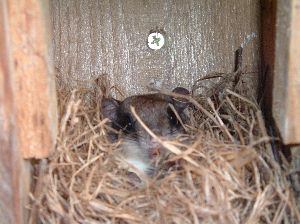
Flying Squirrel in Bluebird House: Nocturnal Neighbor
Flying squirrels often occupy birdhouses and tree hollows. Theyre nocturnal—listen for high-pitched squeaks at night. If they become attic pests, live-trap and relocate. Shine a flashlight between trees at night to see t
Rodent Control: Understanding Carrying Capacity and Seasonality
Outdoor rodent populations depend on carrying capacity (food, water, shelter) and seasonality. Birdseed, pet food, and berries increase capacity. Chipmunks peak mid-summer, decline by late fall. Reduce food sources, then
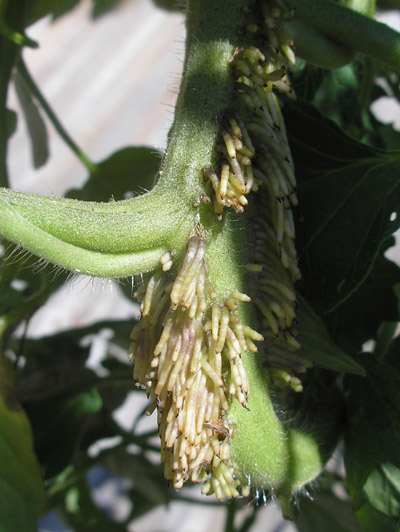
Tomato Stem Roots and Yellow Leaves: Adventitious Roots and Disease
Tomatoes naturally form adventitious roots on stems, especially when planted deep or under high humidity. Roots on the lower stem may indicate drought stress in containers or early blight (causes yellow leaves). Spray wi
Yellowjacket Nest Dug Up: Skunks or Raccoons at Work
Dug-up paper combs indicate a skunk or raccoon raided a yellowjacket nest. Yellowjackets build underground nests with paper combs inside. Animals eat the larvae despite stings. Locate other nest entrances and spray with
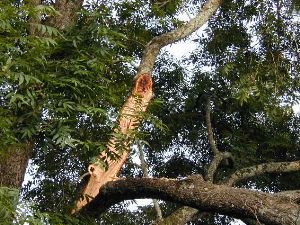
Repairing a Split Pecan Limb: Call an Arborist
A large split pecan limb requires a professional arborist. The damaged limb should be removed; the remaining twin limb can stay if the wound is cleaned. An arborist can trim splinters and let the tree compartmentalize th
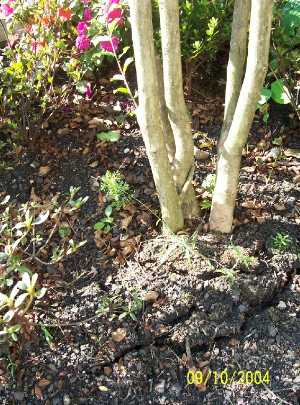
Straightening a Wind-Uprooted Crape Myrtle: Step-by-Step
For a 20-ft crape myrtle leaning 30 degrees: dig under the lifted root ball, straighten the tree, backfill, and stake. Use a wide cloth band around the trunk (not wire, even padded) attached to guy wires. Keep guying sys
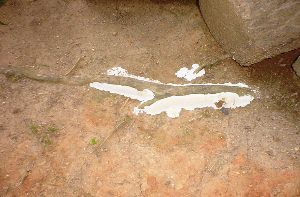
White Crust on Exposed Tree Roots: Benign Fungus
A hard, white, rubbery crust on exposed roots is likely a soil fungus. If the root is dead, its a saprophytic fungus decomposing it; if alive, its a symbiotic mycorrhizal fungus aiding nutrient uptake. Neither is serious
Plants for Wet Soil: Shrubs, Perennials, and Bulbs That Thrive in Soggy Sites
Plants dont soak up water but tolerate wet conditions. For a boggy area, consider these moisture-loving plants: Shrubs Bottlebrush buckeye (Aesculus parviflora), Florida anise (Illicium floridanum), Florida leucothoe (A
Copyright © www.100flowers.win Botanic Garden All Rights Reserved