
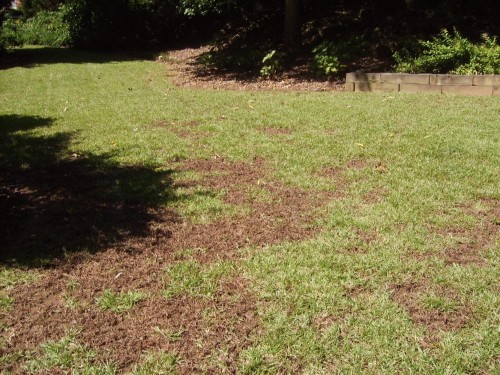
Crabgrass Natural Die-Back in Fall: Understanding the Cycle
Why Crabgrass Disappears in Autumn Crabgrass isnt dying from disease or herbicide—its completing its natural life cycle. As a summer annual, crabgrass is photoperiod-sensitive: shortening days after the summer solstice t

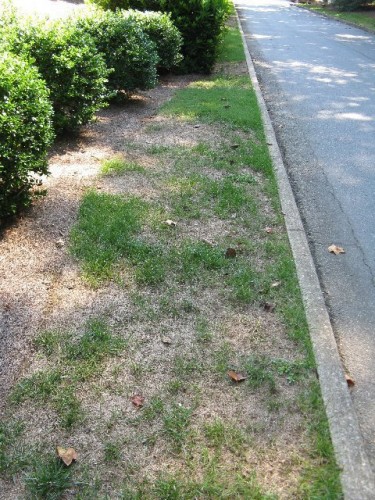
Fescue Decline from Overwatering: Correct Irrigation Practices
The Overwatering Problem Watering fescue three times weekly for 10 minutes—common in many subdivision irrigation systems—creates ideal conditions for fungal diseases. Constant moisture prevents soil and foliage from dryi
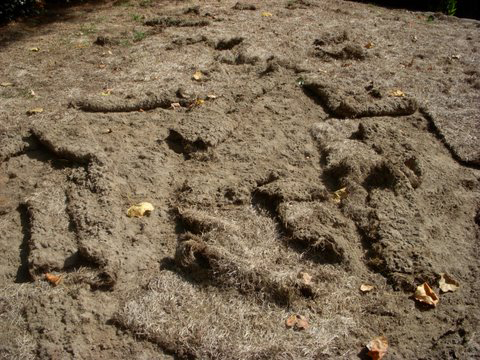
Raccoon Damage to Sod: Prevention and Protection Strategies
Identifying the Culprit If your newly laid sod is being unrolled at night, raccoons are almost certainly responsible. The distinctive paw prints and rolled-back turf sections are telltale signs. Theyre typically searchin
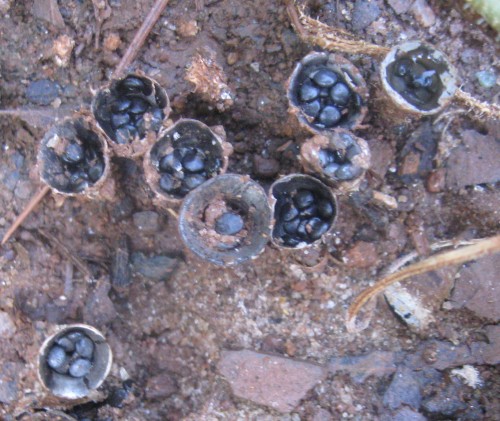
Bird's Nest Fungi: Fascinating Decomposers in Your Garden
Natures Tiny Splash Cups Those curious little cones appearing in mulch and garden beds are birds nest fungi—remarkable little decomposers that play a vital role in breaking down organic matter. Each cup-shaped structure
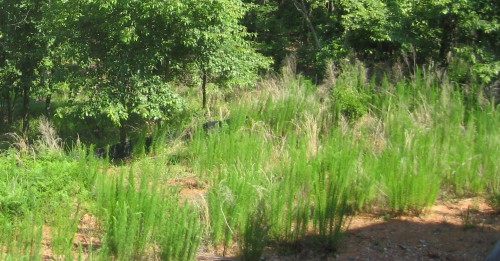
Dogfennel Identification and Control in Pastures and Landscapes
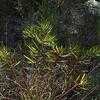
Recognizing Dogfennel Dogfennel (Eupatorium capillifolium) is a 3-4 foot tall perennial with finely divided, fern-like foliage and small white flowers. Dont confuse it with Anthemis cotula (mayweed), which shares the com
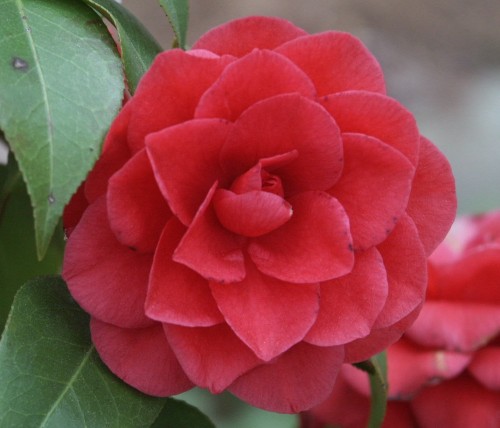
Sasanqua vs. Japanese Camellia: Bloom Time, Species Differences, and Cultivar Selection
Two Southern Favorites Among the 200+ camellia species native to Southeast Asia, two dominate Southern gardens: Sasanqua camellia (Camellia sasanqua) and Japanese camellia (Camellia japonica). While both offer stunning f
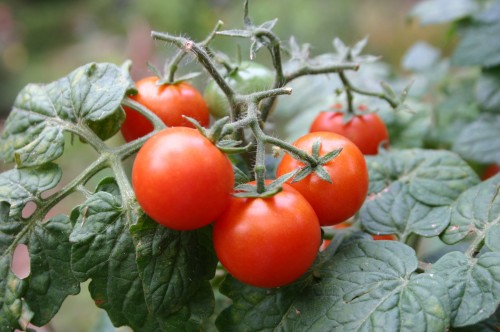
Tomato Grafting for Disease Resistance: A Home Gardener's Guide
Why Graft Tomatoes? Grafting heirloom tomato varieties onto disease-resistant rootstock combines the best of both worlds: superior flavor from the scion (top portion) and robust disease resistance from the rootstock. Thi
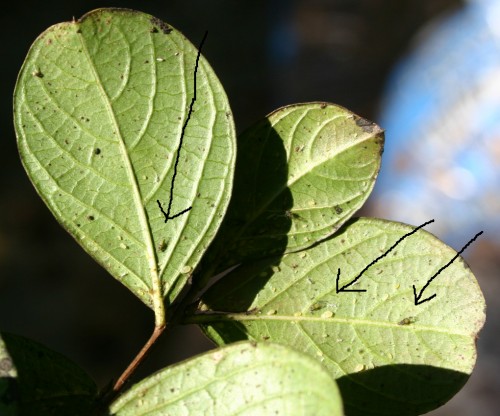
Fall Flying Aphids: Identification and Seasonal Behavior
Those Late-Season Swarms If youre seeing gnat-like insects swarming in your yard during autumn, youre likely witnessing the winged generation of either green peach aphids or crapemyrtle aphids. This annual phenomenon cat
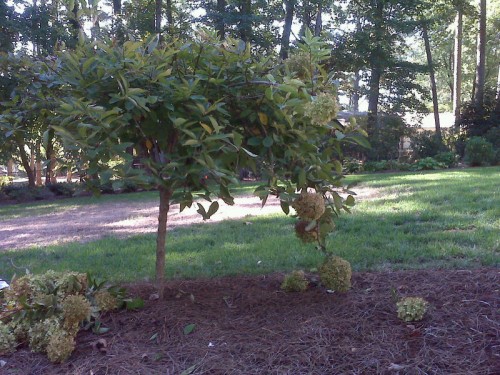
Panicle Hydrangea: Varieties, Care, and Pruning Guide
Identifying Panicle Hydrangea That tree-like hydrangea in your landscape is Hydrangea paniculata, commonly called panicle hydrangea. While many gardeners refer to all panicle types as PeeGee hydrangeas (after the classic
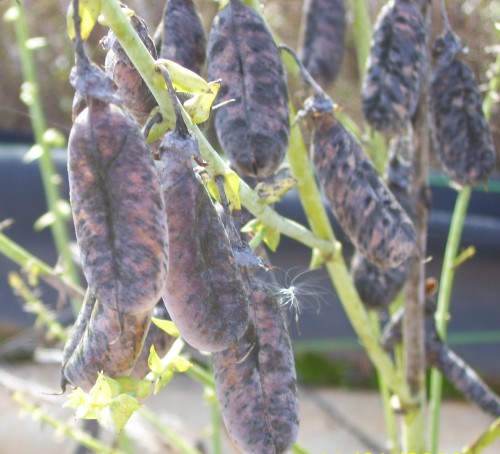
Identifying and Controlling Rattlebox (Crotalaria spectabilis)
What Is Rattlebox? Showy rattlebox (Crotalaria spectabilis) is a native plant easily recognized by its distinctive seed pods that resemble English pea pods. As the common name suggests, shaking dry pods produces a distin
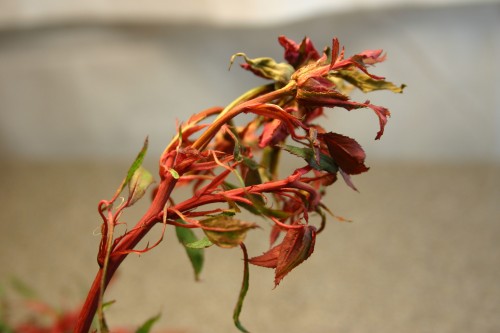
Identifying and Managing Rose Rosette Disease
Understanding Rose Rosette Disease Rose rosette disease is a devastating viral infection that poses a serious threat to roses across Georgia and beyond. Once established in an area, it becomes extremely difficult to cont

Bacterial Leaf Scorch: Fatal for Sycamore, Oak, Sweetgum
Marginal/interveinal browning in summer heat = bacterial leaf scorch (Xylella). No cure, no spray. Confused with anthracnose (spring, vein-limited). Tree declines over years. Kentucky hit hard. Remove if hazardous.
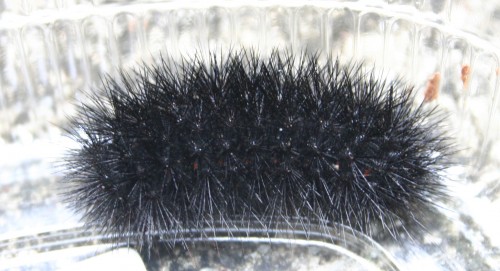
Leopard Moth Caterpillar: Harmless and Beautiful
Ecpantheria scribonia caterpillar = red rings, fuzzy. Not harmful, minor plant damage. Release to hibernate; emerges as striking spotted moth. Distinct from woolly bear (Isabella tiger moth).
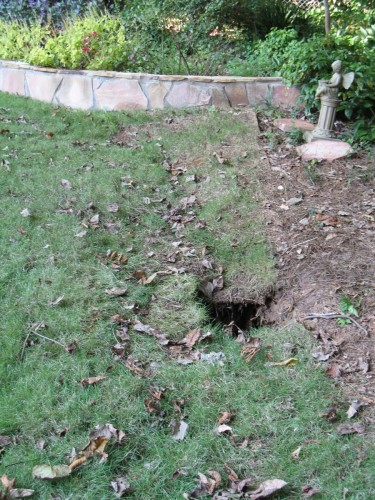
Recurring Sinkhole from Buried Debris: Proper Repair
Not a spring—decomposing buried trash. Fix: 1) Call 811. 2) Excavate entire cavity. 3) Remove large debris. 4) Backfill in 12 lifts, compact each. 5) Establish grass. Wait 2+ years before planting trees.
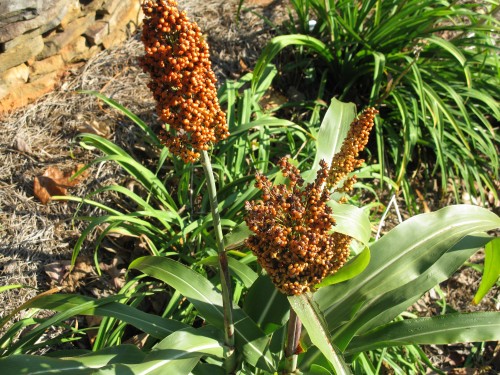
Millet in the Yard: Birdseed Volunteer
Millet from cheap birdseed. Birds scratch it down → attracts rodents. Switch to black oil sunflower only—birds eat it first, less waste.
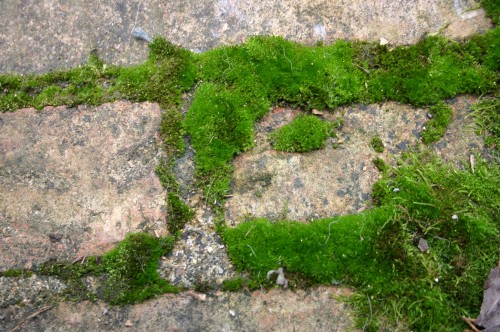
Moss on Stone Steps: Kill Without Harming Plants
Moss is a plant—hard to kill selectively. Shield edge plants with cardboard, spray ammoniated soap (Lilly Miller Moss Out!) or 1:1 bleach:water on moss. Rinse stones thoroughly after.
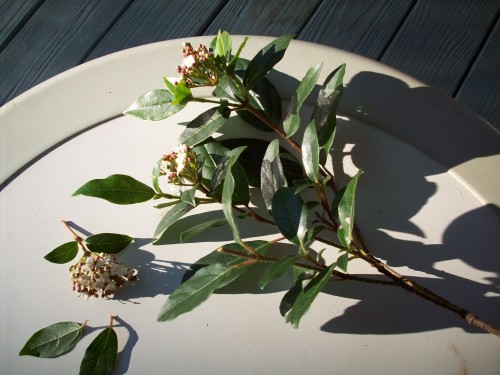
Viburnum tinus: Winter-Blooming Evergreen
Large evergreen, 10+ ft, pink buds open in warm winter spells, fragrant, blue-black berries summer/fall. Round, compact habit—great hedge. Cultivars: Spring Bouquet, Compactum.
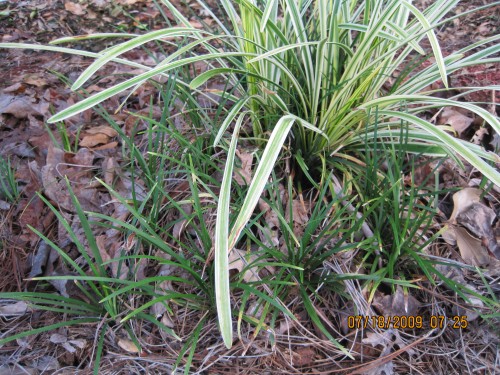
Liriope vs. Mondo Grass: Kissing Cousins
Variegated liriope (Liriope muscari Variegata) larger, flowers above leaves. Mondo grass (Ophiopogon japonicus) smaller, flowers hidden. Both lily family, often mislabeled lilyturf. Separate them—they look better apart.
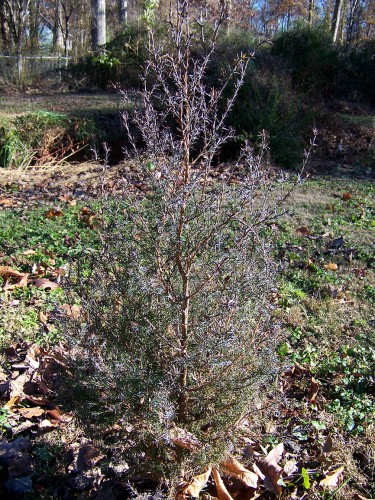
Eastern Redcedar: Bird-Planted, Flood-Intolerant
Juniperus virginiana, common fence-row volunteer from bird-dropped seeds. Purple winter color on youth. Wood used for pencils 1800s. Mature 40x25. Doesnt tolerate flooding—move from creek side now.
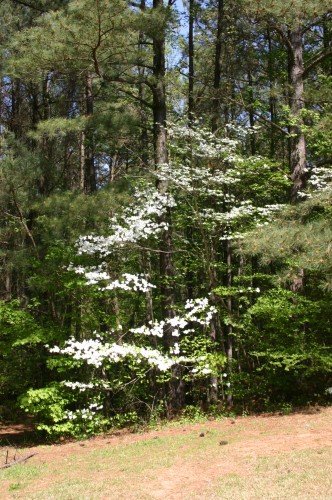
Winter Tree Fertilizing: Why It's Actually a Good Idea
Tree company wants to fertilize in winter with 30-7-9? If trees havent been fed recently, winter application works well. Why Winter Works Tree roots spread far beyond dripline—wide nutrient capture zone. Winter rain mo
Copyright © www.100flowers.win Botanic Garden All Rights Reserved