


Rose rosette disease is a devastating viral infection that poses a serious threat to roses across Georgia and beyond. Once established in an area, it becomes extremely difficult to control, making early identification and prompt action critical for gardeners and landscapers.
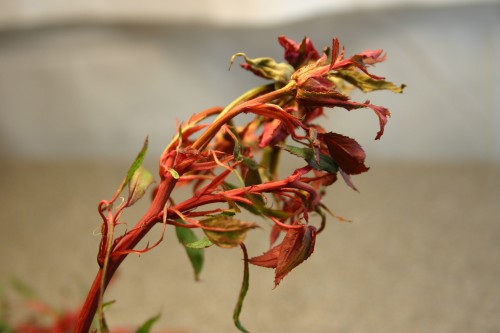
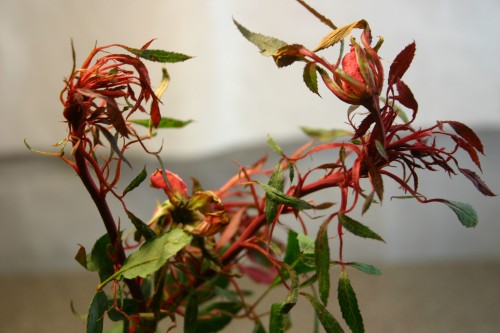
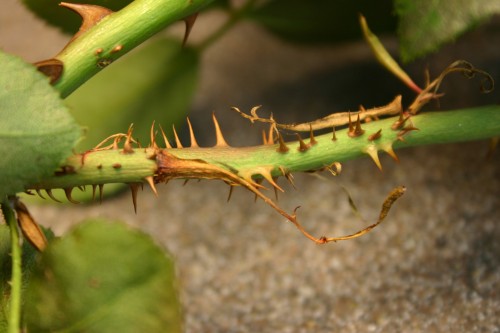
The disease manifests through several distinctive signs:
The virus is transmitted by microscopic eriophyid mites that travel on wind currents. These tiny vectors can move between plants and gardens, making containment challenging once the disease takes hold in a neighborhood.
There is no cure for rose rosette disease. The only effective control measure is complete removal and destruction of infected plants. A recent case in McDonough involved a Knock Out rose showing classic symptoms—the affected plant was immediately removed, and surrounding roses were monitored closely for early signs of infection.
For the latest research and regional information, consult these resources:
Spider Mites on Indoor Rose: Systemic Treatment for Long-Term Control
Mystery Yellow Rose from Walmart: Likely a David Austin?
Rose Rosette Disease: 80+ Roses Dying in Louisiana—Act Now
Identifying a 27-Year-Old Deep Red Rose in Zone 4
Black Spot on Roses: Management, Not Cure
Identifying 'Innocence' Rose: Size and Naming Issues
Hibiscus Identification & Care: Tropical, Hardy & Confederate Rose
Spider Mites and Whiteflies on Indoor Dahlia and Mystery Plant
Rose Canker Disease: Branch Dieback with Brown Healing
Finding 'Pink Diamond' Rose: 1941 Variety Likely Lost—Try Cuttings
Rose Rosette Disease: The Threat to Knockout and Drift Roses
Rose Rosette Disease: Identification, Management, and Replanting
Copyright © www.100flowers.win Botanic Garden All Rights Reserved