


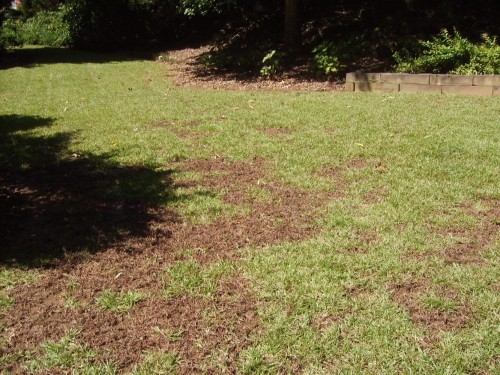
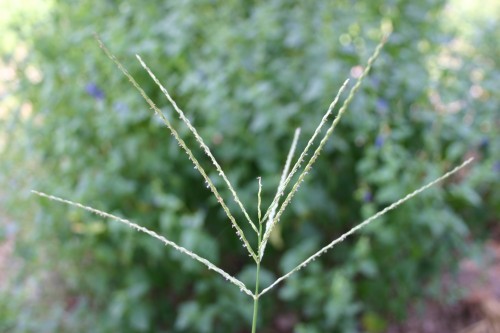
Crabgrass isn't dying from disease or herbicide—it's completing its natural life cycle. As a summer annual, crabgrass is photoperiod-sensitive: shortening days after the summer solstice trigger flowering and seed production. Once seeds mature and drop, the plants senesce and die, leaving bare soil.
These bare spots become prime germination sites for winter annuals like annual bluegrass (Poa annua), henbit, and chickweed. This succession is why fall pre-emergent application is critical.
Don't waste effort trying to "save" dying crabgrass in fall. Focus on preventing the next generation through timely pre-emergent applications and strengthening your permanent turf.
Why Jasmine Flowers Fall Off: Natural Blooming Cycle
Fall Garden Tasks: What to Do as the Season Winds Down
Controlling Liriope muscari Spread in the Lawn
Renovating Crabgrass-Infested Lawn Without Chemicals
Fixing Weed‑and‑Feed Timing for Dandelion and Chickweed Control
Fall Flowers: Autumn's Rich Palette for Weddings and Gardens
Fall Vegetable Gardening: Extend Your Harvest into the Cool Season
English Ivy on Pines: Patience After Cutting Vines
Bamboo Die-Off After Flowering: A Natural Cycle, Not a Catastrophe
Crabgrass Control in the Vegetable Garden
Fall Potato Planting in Georgia: Not Recommended
Potted Lavender Dying from Bottom Up: Fix Drainage
Copyright © www.100flowers.win Botanic Garden All Rights Reserved