


Those curious little "cones" appearing in mulch and garden beds are bird's nest fungi—remarkable little decomposers that play a vital role in breaking down organic matter. Each cup-shaped structure (peridium) contains several "eggs" (peridioles) packed with spores.
When raindrops strike the cup, the force splashes the "eggs" up to several feet away. Each egg trails a sticky filament (funiculus) that catches on vegetation, anchoring the spore packet in a new location. This splash-cup dispersal is a marvel of natural engineering.
Bird's nest fungi are saprophytic—they feed only on dead organic material like wood chips, bark mulch, and decaying leaves. They don't harm living plants. If their appearance bothers you, simply rake the mulch to disrupt the cups. No chemical treatment is needed or recommended.
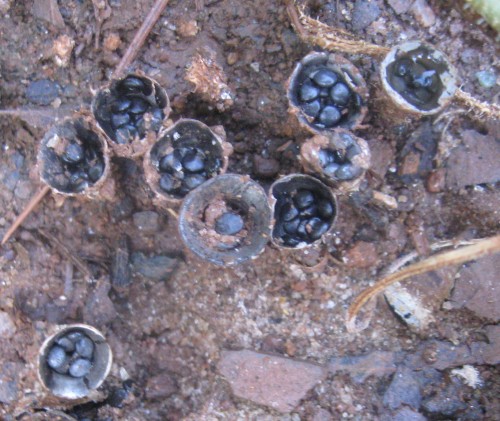
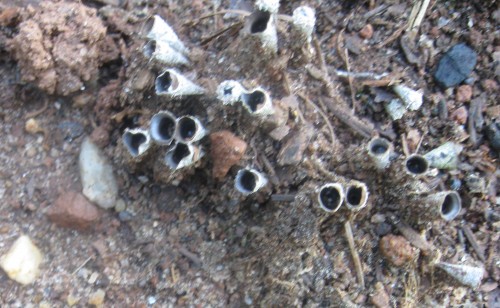
Bird's Nest Fungus in Mulch: Harmless but Unsightly – How to Manage It
Protecting Koi from Herons and Egrets
Bird Baths: Types, Placement & Care for a Backyard Bird Haven
Design a Bird-Friendly Garden: Provide Safety, Shelter, Food, and Nesting Sites
Build a Birdhouse That Birds Actually Use: Design & Placement Guide
Bird's Nest Fern (Asplenium goudeyi)
Bird's Nest Fern (Asplenium Nidus): Care Guide for Glossy, Tropical Foliage
Bird Netting for Grapes & Blueberries: Safe Installation
Birds and Cherry Trees: Deterrent Strategies That Work
Angel Bird Feeders: Create a Backyard Bird Sanctuary
Birds: Nature's Pest Control for Your Garden
Creating a Backyard Bird Watching Sanctuary
Best Bird Deterrents: Top 5 Products to Protect Your Home & Garden
Copyright © www.100flowers.win Botanic Garden All Rights Reserved