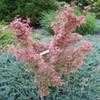
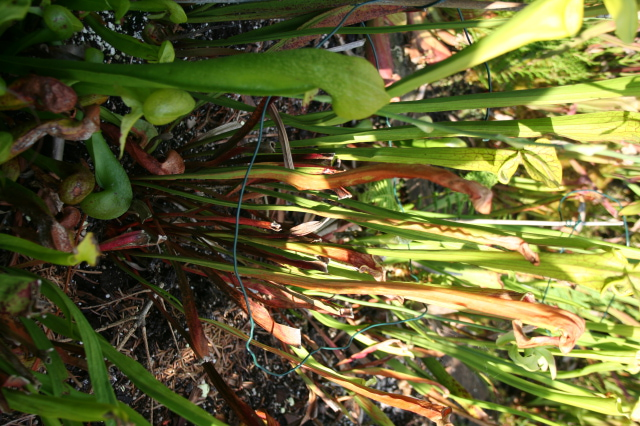

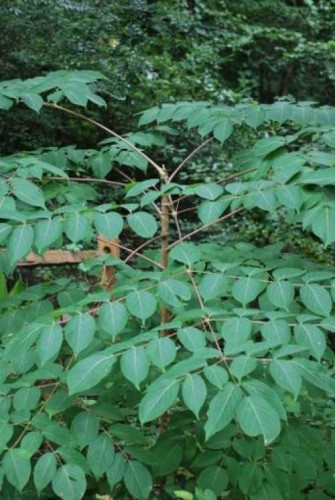
Hercules' Club (Devil's Walking Stick): Native Pollinator Magnet
Formidable but Beneficial Hercules club (Aralia spinosa, syn. Zanthoxylum clava-herculis) presents an intimidating appearance—stout thorns cover its trunk and branches. Yet this native understory tree/shrub provides exce


Tree Root Sidewalk Protection: Innovative Municipal Solution
A Community Success Story When DeKalb County planned to remove a mature tree for sidewalk repair, a neighbors advocacy sparked an innovative solution: raising the sidewalk over the roots rather than cutting them. This ro
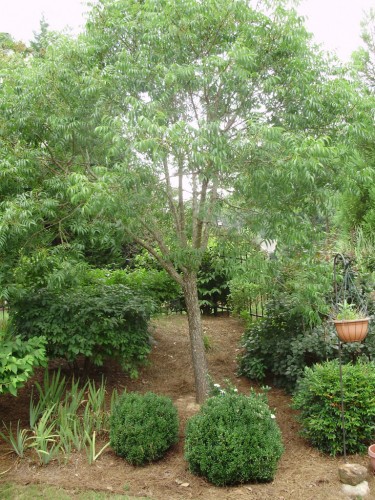
Chinese Pistache Planted Too Deep: Diagnosis and Remediation
The Hidden Planting Error A 7.5-year-old Chinese pistache showing 25% interior branch dieback—despite a healthy-looking trunk and root zone—classically indicates deep planting. When the root flare is buried, the tree pro
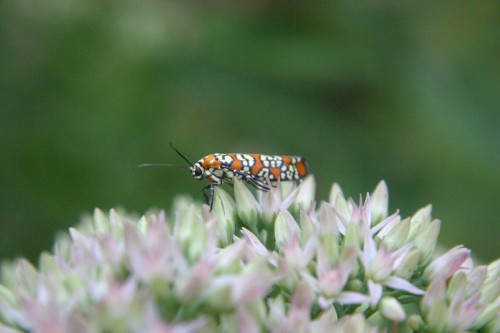
Ailanthus Webworm Moth: Pollinator on an Invasive Host
Striking Little Moth The ailanthus webworm moth (Atteva aurea) catches attention with its distinctive pattern—orange wings marked with white spots ringed in black, resembling an elongated ladybug. Despite its showy appea
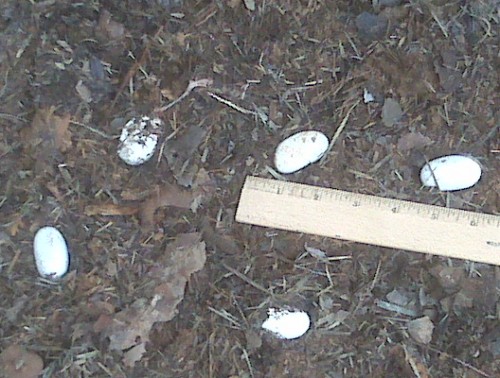
Rat Snake Egg Identification: Harmless and Beneficial
Finding Snake Eggs in Mulch Those leathery, oblong eggs in your mulch pile are almost certainly rat snake or king snake eggs. In north Georgia, all egg-laying snakes are non-venomous. The only egg-laying venomous species
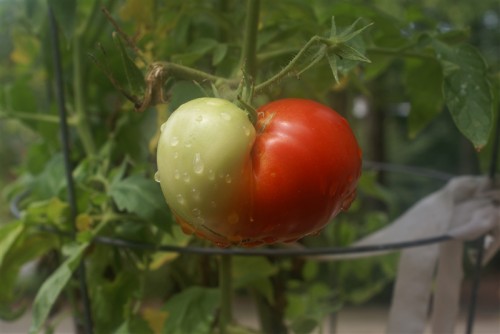
Two-Toned Tomato: Pollination Failure Causes Uneven Ripening
An Unusual Garden Curiosity A tomato showing distinct two-toned coloration—half red, half green/yellow—typically indicates incomplete pollination. Tomato fruit development depends on hormones produced by developing seeds
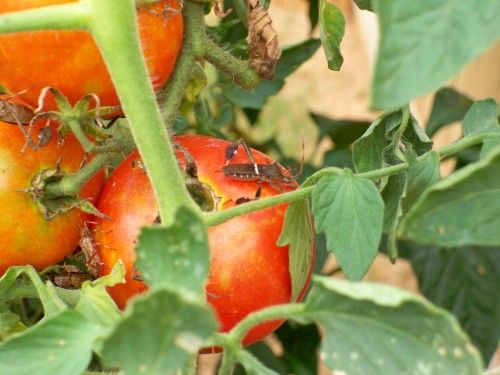
Leaf-Footed Bugs and Stink Bugs on Tomatoes: Organic Control Strategies
Dual Pest Problem Both leaf-footed bugs (Leptoglossus phyllopus) and stink bugs damage tomatoes by piercing fruit with needle-like mouthparts and injecting digestive enzymes. The resulting cloudy spots and hard masses re
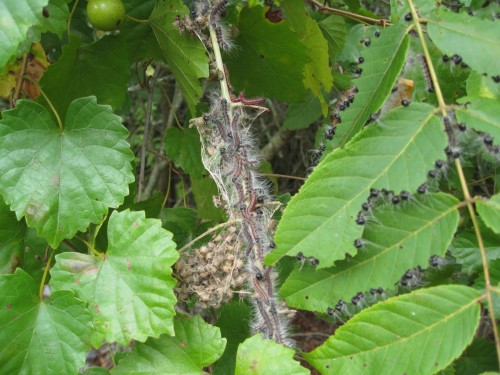
Walnut Caterpillar: Gregarious Feeder on Walnut and Cherry
Identifying the Pest Walnut caterpillar (Datana integerrima) larvae are distinctive for their gregarious behavior—dozens feeding together on leaf margins or clustering on tree trunks. They feed on black walnut, pecan, hi
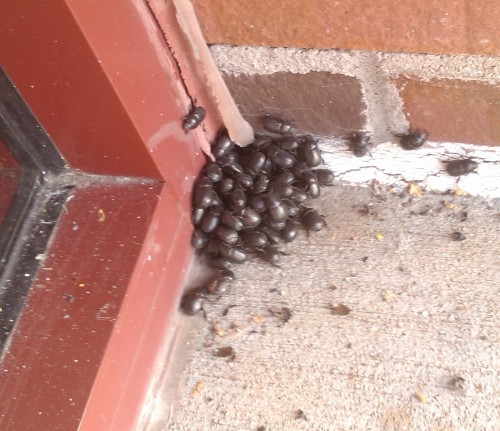
Sugarcane Beetle Misidentification: Correcting the Record on a Lawn Pest
A Correction Story In a 2010 newsletter, I misidentified beetles swarming a shopping center as May beetles (Phyllophaga spp.). UGA entomologist Kris Braman corrected me: they were sugarcane beetles (Euetheola humilis). T
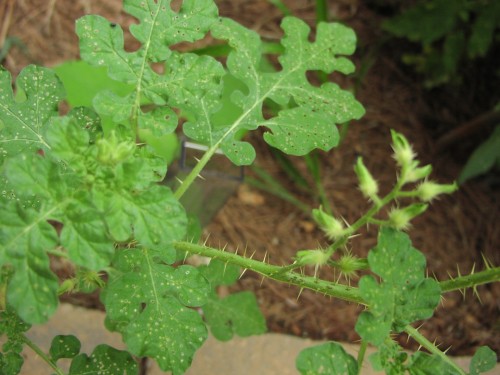
Buffalobur Nightshade: Toxic Weed Identification and Removal
Dangerous Look-Alike Buffalobur nightshade (Solanum rostratum) resembles a watermelon plant but with a vicious difference: every part is armed with sharp spines, and all tissues contain toxic alkaloids. The yellow flower
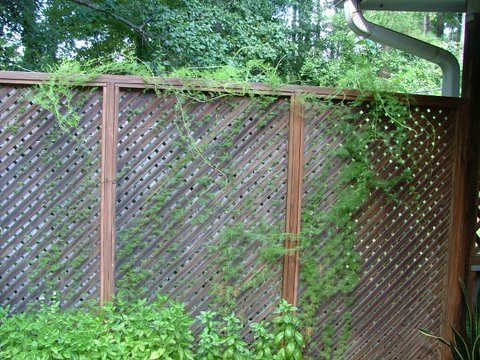
Cypress Vine Flowering Delay: Vertical Growth vs. Bloom Production
Understanding the Growth-Flowering Trade-off Cypress vine (Ipomoea quamoclit) prioritizes vertical growth when provided climbing structures. Your lattice-grown vines are doing exactly what theyre programmed to do: climb
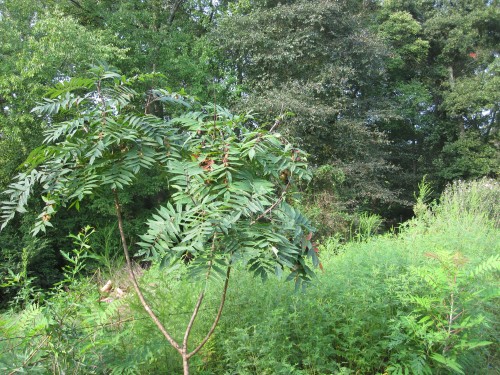
Sumac Leaf Galls: Aphid-Created Structures on Volunteer Shrubs
Identifying the Plant and Its Galls That volunteer shrub with strange fruit is sumac (Rhus species), and the balloon-like structures are leaf galls formed by aphids—identical to those described in the previous article bu
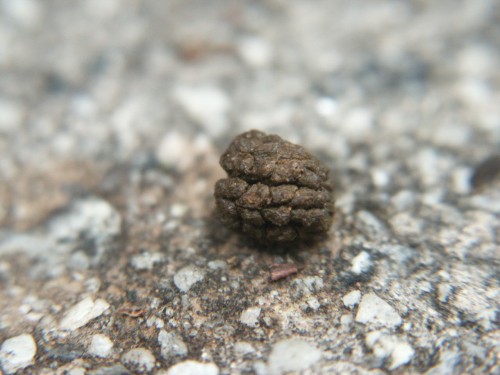
Caterpillar Droppings Under Trees: Normal Seasonal Occurrence
Those Seeds on Your Sidewalk The small, cylindrical pellets appearing under pecan and other trees each August are caterpillar frass (droppings). Their distinctive segmented appearance—often with a visible midline seam—ma
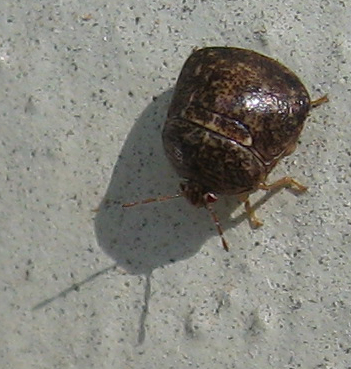
Kudzu Bug (Globular Stink Bug) on Figs: Identification and Home Invasion Prevention
Asian Invader The kudzu bug (Megacopta cribraria), also called globular stink bug, arrived in Georgia around 2009, likely on imported plant material. While it feeds on its namesake kudzu, it also attacks soybeans, wister
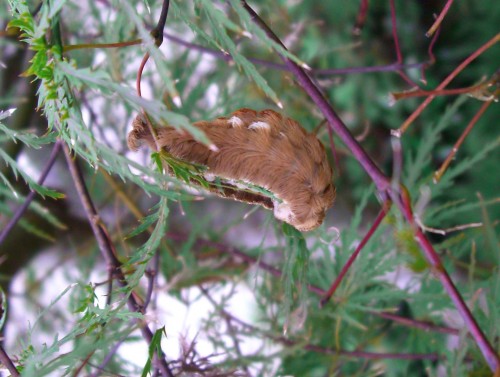
Puss Caterpillar: Identification, Sting Severity, and Safe Removal
Deceptively Dangerous The puss caterpillar (Megalopyge opercularis) resembles a tiny, harmless tuft of fur—but beneath those soft-looking hairs lie hollow spines connected to venom glands. Contact produces excruciating p
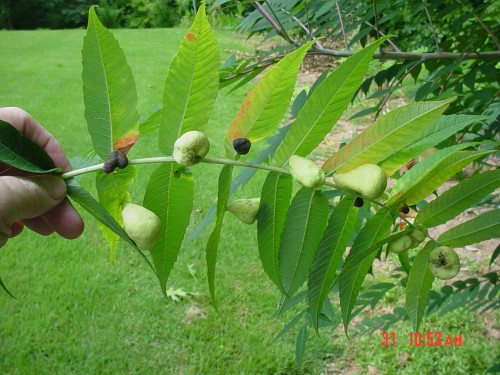
Sumac Gall Aphids: Life Cycle and Management
Not a Fungal Disease Those strange, balloon-like growths on sumac leaves arent fungal galls—theyre created by aphids. The sumac gall aphid (Melaphis rhois) females lay eggs on leaf tissue, triggering the plant to form pr

Growing Sugarcane in Georgia: Climate Limits and Ornamental Options
Climate Reality Check Sugarcane requires 11-12 months of frost-free growth to produce harvestable stalks. In Georgia, only areas south of a Savannah-Macon-Columbus line accumulate sufficient heat units. Even there, margi
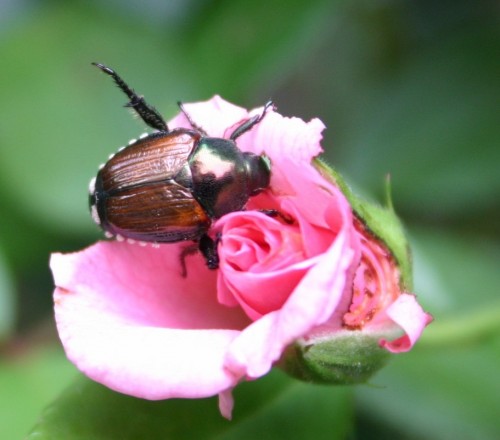
Japanese Beetle Resistant Plants for Southern Landscapes
Plants They Avoid While Japanese beetles devastate many garden favorites, several common landscape plants remain largely untouched. Based on field observation, these show consistent resistance: Pine species Lambs ear (S
Growing Hebe buxifolia in Georgia: Hardiness and Sourcing
New Zealand Native in Southern Gardens Hebe (Hebe buxifolia) originates from New Zealand, where it thrives as an evergreen coastal shrub. Most hebe varieties lack sufficient cold hardiness for Atlanta winters, but H. bux
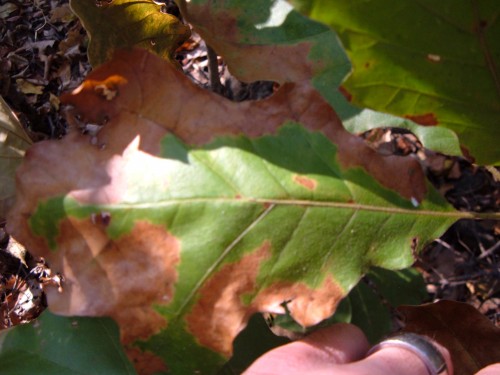
Bacterial Leaf Scorch on Oaks: Diagnosis and Distinction from Drought Stress
Recognizing Bacterial Leaf Scorch (BLS) When oaks brown and drop leaves in late September—earlier than normal seasonal senescence—Bacterial Leaf Scorch may be the cause. Certified Arborist Art Morris notes this disease p
Copyright © www.100flowers.win Botanic Garden All Rights Reserved