


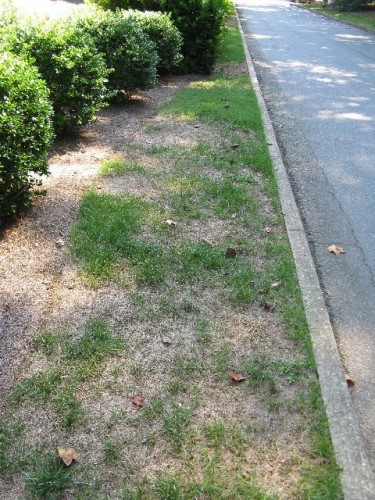
Watering fescue three times weekly for 10 minutes—common in many subdivision irrigation systems—creates ideal conditions for fungal diseases. Constant moisture prevents soil and foliage from drying, weakening grass and promoting pathogen activity.
Deep, infrequent watering encourages deep root growth, making fescue more drought-tolerant and disease-resistant. Fungal pathogens are always present in soil; healthy grass naturally resists infection. Fungicides only mask symptoms—they don't address the underlying cultural problem.
Reviving Fescue on Compacted Clay in Central NC: Till, Don't Aerate
Kalanchoe Sudden Collapse: Pot Size & Soil Fatalities
Alfalfa Mulch: The Secret to Weed-Free, Worm-Rich Garden Beds
Preventing Bermuda Grass Invasion in New Tall Fescue Sod: Mow High, Feed Fungi
Is Fescue a Good Choice for Shady Lawns in Northeast Mississippi?
Shade-Tolerant Fescue Blends: Winter Beauty but Summer Decline Under Deepening Shade
Pre-Emergent Timing for Fescue: Watch Soil Temp, Not the Calendar
Overseeding Fescue in February: Fertilizer, Watering, and Drought Strategies
Fescue and Palisades Zoysia Care: Soil-First Approach to Fertilization and Weed Control
Tall Fescue Struggles in NC Clay: Compost Solution
Overseeding Zoysia with Creeping Red Fescue: Not Recommended
Bonsai Soil Care: Repotting Schedule for Indoor Trees
Can Potting Soil Spontaneously Combust?
RESCUE THE FESCUE: Fall Planting Guide Under Water Restrictions
Copyright © www.100flowers.win Botanic Garden All Rights Reserved