


Sweet chestnut, or Spanish chestnut, is a large deciduous tree native to southern Europe and Asia Minor, cultivated for millennia for its edible nuts and durable timber.
| Family: | Fagaceae |
| Genus: | Castanea |
| Species: | sativa |
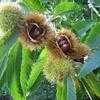
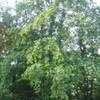
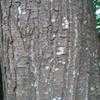
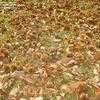
This long-lived tree reaches 80–100 feet with a massive trunk and broad crown. Leaves are long, lanceolate, sharply toothed. Flowers are long, yellow catkins. Fruit is a spiny bur containing 2–3 shiny brown nuts. Bark is deeply fissured, spiraling.
Sweet chestnut prefers full sun, well-drained, acidic soil. It is grown for nuts (roasted, flour), timber (fence posts, furniture, barrels), and tannin. Many cultivars exist for nut size and flavor. It is susceptible to chestnut blight, though less than American chestnut.
Staple food in Mediterranean mountains for centuries; "bread tree."
Breadfruit (Artocarpus altilis): Staple Crop of the Pacific
Lychee (Litchi chinensis): Tropical Fruit Delicacy
Lemon Tree: The Classic Citrus for Fruit, Fragrance & Foliage
Chonta Palm (Juania australis): Rare Chilean Palm
European Hornbeam (Carpinus betulus): The Classic Hedge & Shade Tree
Plumeria pudica: The Everblooming, Evergreen Frangipani
Durian (Durio zibethinus): The King of Fruits—Love It or Hate It
Copyright © www.100flowers.win Botanic Garden All Rights Reserved