


Horse chestnut, or conker tree, is a large deciduous tree native to the Balkans, widely planted in temperate regions for its showy spring flowers and large, spiny capsules containing shiny seeds (conkers).

| Family: | Sapindaceae |
| Genus: | Aesculus |
| Species: | hippocastanum |
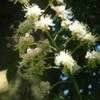
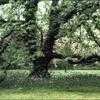
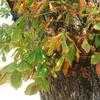
This tree grows 50–75 feet tall with a domed crown. Leaves are palmately compound with 5–7 leaflets. Flowers are white with a pink/yellow blotch, in upright panicles (candles). Fruit is a green, spiny capsule splitting to reveal 1–3 glossy brown seeds. Bark is gray, flaky.
Horse chestnut prefers full sun to partial shade, moist, well-drained soil. It is a classic park and avenue tree. The seeds are toxic (aesculin) but used in herbal medicine for venous insufficiency. The game of conkers uses the seeds.
Horse chestnut leaf miner and bleeding canker are serious issues in Europe.
Joshua Tree (Yucca brevifolia): Mojave Desert Icon
Grass Tree (Xanthorrhoea nana): Dwarf Australian Grasstree
Tulip Poplar (Liriodendron tulipifera)
Camphor Tree (Cinnamomum camphora)
Brazilian Pepper Tree (Schinus terebinthifolius)
Sapphire Dragon Tree (Paulownia kawakamii): A Rare Taiwanese Tree with Violet Flowers
Orchid Tree (Bauhinia monandra): Butterfly Leaves and Pink Flowers
The Cocoa Tree (Theobroma cacao): From Tropical Forest to Chocolate Bar
Chaya (Cnidoscolus chayamansa): Nutritious Tree Spinach of the Maya
Tropical Almond (Terminalia catappa): Coastal Shade Tree with Edible Nuts
Gold Medallion Tree (Cassia leptophylla): Spectacular Summer Blooms
Quiver Tree (Kokerboom): Namibia's Iconic Desert Aloe
Japanese Tree Lilac: Fragrant Ivory Plumes on a Tough Urban Tree
Copyright © www.100flowers.win Botanic Garden All Rights Reserved