


The European Hornbeam (Carpinus betulus) is a versatile deciduous tree prized for its dense, muscular branches and exceptional tolerance of heavy pruning. Whether trained as a formal hedge, pleached alley, or left to develop its natural oval crown, this tree brings year-round structure to gardens and landscapes.
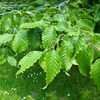
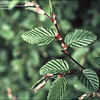
Smooth, gray bark with distinctive muscle-like fluting gives hornbeam winter interest. Ovate, doubly serrated leaves emerge bright green in spring, deepen through summer, and turn golden-yellow to orange-brown in autumn—often persisting on hedges well into winter. Inconspicuous spring catkins give way to decorative, hop-like fruit clusters.
Hornbeam thrives in heavy clay, tolerates shade, and responds beautifully to shearing—making it the gold standard for formal hedges and topiary. As a specimen tree, it reaches 40–60 feet with a spread of 30–40 feet. Its dense wood resists breakage, and it has few serious pest or disease issues.

Hosta plantaginea: The Fragrant Species with Giant White Flowers
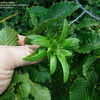
Comfortroot (Hibiscus aculeatus)
Hibiscus hamabo: Coastal Species
Mandrinette – Hibiscus boryanus
Furcraea macdougalii: A Giant, Trunk-Forming Relative of Agave
Euphorbia bupleurifolia: A Bizarre, Pineapple-Topped Succulent with a Caudex
Candelilla (Euphorbia antisyphilitica): A Leafless, Wax-Producing Shrub for Extreme Heat
Copyright © www.100flowers.win Botanic Garden All Rights Reserved