


Breadfruit is one of humanity's most important tropical crops—a starchy, versatile fruit that has sustained Pacific Island cultures for millennia. Artocarpus altilis, a member of the fig family (Moraceae), was famously transported on the HMS Bounty (leading to the mutiny) to provide food for Caribbean plantations.
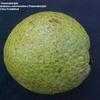
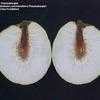
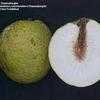
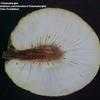
This majestic evergreen tree reaches 40-85 feet tall with a broad, spreading canopy. The large, deeply lobed leaves (1-3 feet long) are glossy green and provide dense shade. The fruit is a syncarp (multiple fruit) — round to oval, 4-12 inches diameter, with a green, hexagonal-patterned rind that turns yellowish-brown when ripe. The starchy, creamy white to pale yellow flesh has a texture and flavor reminiscent of fresh-baked bread or potato when cooked.
| Family: | Moraceae (mor-AY-see-ee) |
| Genus: | Artocarpus (ar-toe-karp-us) |
| Species: | altilis (al-TIL-iss) |
Breadfruit is a culinary chameleon: roasted, boiled, fried, baked, or fermented. It can be eaten at all stages—immature as a vegetable, ripe as a fruit, dried and ground into flour. A single tree can produce 200-400 fruits annually, yielding 300-500 lbs of food. The latex (sap) is used as glue, caulk, and medicine. The lightweight wood is used for canoes, surfboards, and construction.
Breadfruit requires tropical conditions: consistent warmth, humidity, and 60-100 inches of rainfall. It prefers deep, fertile, well-drained soil. Seedless cultivars (the most common) are propagated by root cuttings or air layering. It begins fruiting in 3-5 years. As a perennial staple crop requiring minimal inputs, breadfruit is increasingly recognized for food security and climate resilience in the tropics.
Comfortroot (Hibiscus aculeatus)
Hibiscus hamabo: Coastal Species
Mandrinette – Hibiscus boryanus
Furcraea macdougalii: A Giant, Trunk-Forming Relative of Agave
Euphorbia bupleurifolia: A Bizarre, Pineapple-Topped Succulent with a Caudex
Candelilla (Euphorbia antisyphilitica): A Leafless, Wax-Producing Shrub for Extreme Heat
Copyright © www.100flowers.win Botanic Garden All Rights Reserved