


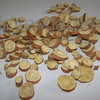
Chinese licorice (Glycyrrhiza uralensis), known as gan-cao, is a perennial legume native to Central Asia and China. It grows 3-4 feet tall with pinnate leaves and spikes of pale blue to lavender flowers in summer. The thick, sweet taproot (glycyrrhizin) is one of the most important herbs in Traditional Chinese Medicine (TCM), used to harmonize formulas and treat coughs, inflammation, adrenal fatigue.
Full sun, deep, well-drained, sandy loam. Requires 3-4 years for harvestable roots. Nitrogen-fixing. Root used dried, powdered, or as extract. Sweetener (50x sucrose). Caution: long-term/high-dose use can cause hypertension, hypokalemia (glycyrrhizin). Deglycyrrhizinated licorice (DGL) safer for ulcers. Not the same as European licorice (G. glabra).
Helichrysum petiolare (Licorice Plant)
Rosemary (Rosmarinus officinalis): Aromatic Evergreen Herb for Kitchen and Garden
Catnip (Nepeta cataria): The Feline Favorite Herb
Borage (Borago officinalis): Starflower for Bees and Cuisine
Comfrey (Symphytum officinale): Healing Herb and Dynamic Accumulator
Cilantro (Coriandrum sativum): Two Herbs in One Plant
Chinese Evergreen, Philippine Evergreen (Aglaonema commutatum)
Bloodroot (Sanguinaria canadensis): Spring Ephemeral with Red Sap
Lovage (Levisticum officinale): Towering Celery-Flavored Herb
Sweet Fern (Comptonia peregrina): Native Nitrogen-Fixer with Fern-Like Foliage
Chervil (Anthriscus cerefolium): Delicate Anise-Flavored Herb for Spring
Fenugreek (Trigonella foenum-graecum): Ancient Spice and Medicinal Legume
Goldenseal (Hydrastis canadensis): Endangered Native Medicinal Herb of Eastern Forests
Copyright © www.100flowers.win Botanic Garden All Rights Reserved