


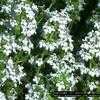
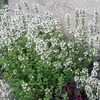
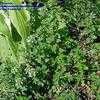
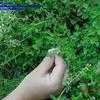
English thyme (Thymus vulgaris), also called common thyme, is a woody-based, low-growing perennial subshrub, 6-12 inches tall, with tiny, aromatic, gray-green leaves and clusters of pale lilac-pink flowers in early summer. It is the standard culinary thyme, essential in bouquet garni, herbes de Provence, and countless savory dishes.
Plant in full sun, gritty, well-drained, alkaline soil. Drought-tolerant once established. Trim after flowering to prevent woodiness. Harvest leaves anytime; best flavor before bloom. Dries and freezes well. Use in meats, stews, vegetables, breads, oils, vinegars. Medicinally antiseptic, expectorant. Hardy in USDA zones 5-9.
Stinging Nettle (Urtica dioica): Nutritious Weed with a Sting
French Tarragon (Artemisia dracunculus): The Culinary King of Herbs
St. John's Wort (Hypericum perforatum): Famous Medicinal Herb with Perforated Leaves
Tricolor Sage (Salvia officinalis 'Tricolor'): Variegated Foliage for Herb Gardens and Containers
Common Sage 'Berggarten' (Salvia officinalis 'Berggarten'): Broad-Leaved Culinary Sage
Mother of Thyme (Thymus pulegioides): Broad-Leaved Ground Cover Thyme
Northern Prickly Ash (Zanthoxylum americanum): Aromatic, Thorny Shrub for Wildlife and Numbing Spice
Rosemary (Rosmarinus officinalis): Aromatic Evergreen Herb for Kitchen and Garden
Catnip (Nepeta cataria): The Feline Favorite Herb
Borage (Borago officinalis): Starflower for Bees and Cuisine
Comfrey (Symphytum officinale): Healing Herb and Dynamic Accumulator
Bloodroot (Sanguinaria canadensis): Spring Ephemeral with Red Sap
Golden Sage (Salvia officinalis 'Aurea'): Chartreuse Foliage for Herb and Ornamental Gardens
Copyright © www.100flowers.win Botanic Garden All Rights Reserved