


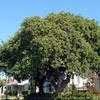
The carob tree, also known as St. John's bread, is a hardy evergreen native to the Mediterranean region. Cultivated for millennia, its sweet pods are used as a chocolate substitute and animal feed.
| Family: | Caesalpiniaceae |
| Genus: | Ceratonia |
| Species: | siliqua |
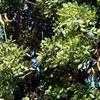
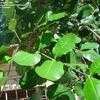
This slow-growing tree reaches 30–50 feet with a broad, dense crown. Leaves are pinnate, dark green, leathery. Trees are dioecious (male and female flowers on separate plants). The pods are long, curved, dark brown, and sweet when ripe.
Carob thrives in hot, dry climates with poor, rocky soils. It is extremely drought-tolerant and long-lived. Pods are harvested for carob powder, syrup, and locust bean gum (a thickener). The tree is also ornamental, providing dense shade.
The seeds were historically used as a weight measure (carat) for gemstones.
Hosta plantaginea: The Fragrant Species with Giant White Flowers
Comfortroot (Hibiscus aculeatus)
Hibiscus hamabo: Coastal Species
Mandrinette – Hibiscus boryanus
Furcraea macdougalii: A Giant, Trunk-Forming Relative of Agave
Washingtonia × filibusta: The Hybrid Fan Palm for Marginal Climates
St. John's Wort (Hypericum perforatum): Famous Medicinal Herb with Perforated Leaves
Euphorbia bupleurifolia: A Bizarre, Pineapple-Topped Succulent with a Caudex
Candelilla (Euphorbia antisyphilitica): A Leafless, Wax-Producing Shrub for Extreme Heat
Desert Rose (Adenium arabicum)
Dorstenia gigas (Socotra Fig Tree)
Bontaalwyn (Aloe grandidentata): A Toothed Aloe Beauty
Copyright © www.100flowers.win Botanic Garden All Rights Reserved