


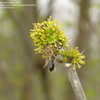
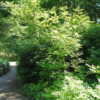
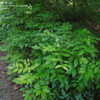
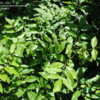
Northern prickly ash (Zanthoxylum americanum), also called common prickly ash, is a thicket-forming, deciduous shrub or small tree native to eastern North America. It has sharp, paired thorns, pinnately compound leaves with citrus fragrance, and small, greenish-yellow flowers in spring, followed by red, berry-like follicles that split to reveal black seeds. The bark and fruits produce a tingling, numbing sensation (sanshool).
Full sun to shade, adaptable to various soils. Forms impenetrable thickets—good for wildlife cover. Host for giant swallowtail butterfly. Berries used as spice (similar to Sichuan pepper); bark for toothache (numbing). Medicinal: circulatory stimulant, antifungal. Thorns make handling difficult. Hardy in USDA zones 3-7.
Hosta 'Northern Exposure': Cold-Climate Champion
Black Sedge (Carex nigra): A Common, Rhizomatous Sedge of Wet European Meadows
St. John's Wort (Hypericum perforatum): Famous Medicinal Herb with Perforated Leaves
Tricolor Sage (Salvia officinalis 'Tricolor'): Variegated Foliage for Herb Gardens and Containers
Common Sage 'Berggarten' (Salvia officinalis 'Berggarten'): Broad-Leaved Culinary Sage
Golden Sage (Salvia officinalis 'Aurea'): Chartreuse Foliage for Herb and Ornamental Gardens
Salvia officinalis 'Tricolor': Variegated Culinary Sage with Pink, White, and Green Leaves
Salvia officinalis 'Berggarten': Culinary Sage with Large Round Leaves
Common Sage 'Aurea' (Salvia officinalis 'Aurea')
Common Sage 'Purpurescens' (Salvia officinalis 'Purpurescens')
Common Sage 'Purpurea' (Salvia officinalis 'Purpurea')
Salvia officinalis 'Rosea' – Pink Flowering Garden Sage
European Beech (Fagus sylvatica): Majestic Forest Tree for Grand Landscapes
Copyright © www.100flowers.win Botanic Garden All Rights Reserved