


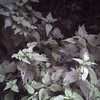
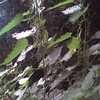
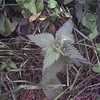
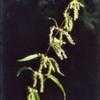
Stinging nettle (Urtica dioica) is a perennial herb famous for its hollow, stinging hairs that inject histamine and formic acid, causing a burning rash. Yet it's one of the most nutritious wild plants, rich in protein, iron, calcium, and vitamins. Cooking or drying neutralizes the sting.
| Family: | Urticaceae |
| Genus: | Urtica (UR-ti-kuh) |
| Species: | dioica (dy-oh-EE-kuh) |
Native to Europe, Asia, North America, North Africa. Grows 3–6 feet tall in colonies. Opposite, toothed leaves. Dioecious (male/female plants). The sting is a defense against herbivores.
Wear gloves and long sleeves to harvest. Young shoots best. Grows in rich, moist soil, sun to shade. Can be invasive; contain roots. Hardy in USDA zones 4–9.
Black Sedge (Carex nigra): A Common, Rhizomatous Sedge of Wet European Meadows
Norway Maple (Acer platanoides): European Shade Tree with Invasive Potential
European Wild Ginger (Asarum europaeum): Glossy Evergreen Ground Cover
False Nettle (Boehmeria cylindrica): Non-Stinging Wetland Plant
Northern Prickly Ash (Zanthoxylum americanum): Aromatic, Thorny Shrub for Wildlife and Numbing Spice
Golden Sage (Salvia officinalis 'Aurea'): Chartreuse Foliage for Herb and Ornamental Gardens
Salvia officinalis 'Tricolor': Variegated Culinary Sage with Pink, White, and Green Leaves
Salvia officinalis 'Berggarten': Culinary Sage with Large Round Leaves
Common Sage 'Aurea' (Salvia officinalis 'Aurea')
Common Sage 'Purpurescens' (Salvia officinalis 'Purpurescens')
Common Sage 'Purpurea' (Salvia officinalis 'Purpurea')
Copyright © www.100flowers.win Botanic Garden All Rights Reserved