


European beech, also called common beech, is a large, stately deciduous tree native to Europe. Its smooth, silver-gray bark, dense canopy, and superb autumn color have made it a cornerstone of temperate forests and grand estates for centuries. Numerous cultivars offer diverse forms and foliage colors.
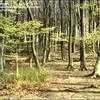
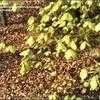
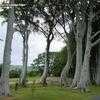
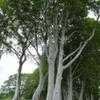
Grows 50–80 feet tall (to 100+ in ideal conditions) with a massive, rounded to oval crown. Bark is distinctively smooth, thin, and silver-gray throughout life. Leaves are ovate, wavy-margined, glossy dark green, turning rich copper-bronze in fall, often persisting into winter (marcescent). Beechnuts (small, triangular nuts in spiny husks) feed wildlife.
Full sun to part shade. Deep, moist, well-drained, slightly acidic to neutral soil. Intolerant of wet, compacted, or alkaline soils. Hardy in USDA zones 4–7. Shallow roots make underplanting difficult. Susceptible to beech bark disease and woolly aphid in some areas.
Specimen for large properties, parks, allees, hedges (responds well to shearing), woodland gardens. Cultivars like 'Riversii' (purple leaves), 'Pendula' (weeping), 'Fastigiata' (columnar) expand design options.
Chitalpa (× Chitalpa tashkentensis)
Breadfruit (Artocarpus altilis): Staple Crop of the Pacific
European Wild Ginger (Asarum europaeum): Glossy Evergreen Ground Cover
Thelypteris decursive-pinnata: Japanese Beech Fern
Woodwardia radicans: European Chain Fern
English Thyme (Thymus vulgaris): The Classic Culinary Thyme for Every Herb Garden
Norway Maple 'Crimson King' (Acer platanoides 'Crimson King'): Bold Purple Foliage All Season
Lychee (Litchi chinensis): Tropical Fruit Delicacy
Lemon Tree: The Classic Citrus for Fruit, Fragrance & Foliage
Scots Pine (Pinus sylvestris): Classic Eurasian Conifer
Chonta Palm (Juania australis): Rare Chilean Palm
European Hornbeam (Carpinus betulus): The Classic Hedge & Shade Tree
Copyright © www.100flowers.win Botanic Garden All Rights Reserved