


'Arp' is the most cold-hardy rosemary cultivar, surviving to -18°C (0°F) / USDA zone 6 with protection. Discovered in Arp, Texas, it combines classic rosemary flavor and fragrance with exceptional winter tolerance, making rosemary viable for northern gardeners.
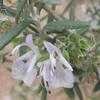
Upright, open shrub 1–1.5 m tall. Leaves are linear, gray-green, highly aromatic. Flowers are pale blue, in axillary clusters, blooming late winter to spring. Habit is less dense than 'Tuscan Blue' but more winter-resilient.
| Family: | Lamiaceae (lay-mee-AY-see-ee) |
| Genus: | Rosmarinus (rose-ma-REE-nus) |
| Species: | officinalis (oh-fiss-ih-NAH-liss) |
| Cultivar: | 'Arp' |
All standard rosemary uses, plus reliable perennial performance in zone 6–7. Excellent for hedges, topiary, and container culture where it can be moved to protection.
Mulch heavily. Plant in sheltered microclimate (south wall). Wrap with burlap if prolonged deep freeze expected. Container plants: move to unheated garage/cool porch.
Fenugreek (Trigonella foenum-graecum): Ancient Spice and Medicinal Legume
Goldenseal (Hydrastis canadensis): Endangered Native Medicinal Herb of Eastern Forests
Dill (Anethum graveolens): Classic Culinary Annual
Caraway (Carum carvi): Biennial Spice and Medicinal Seed
Common Myrtle (Myrtus communis): Fragrant, Evergreen Mediterranean Shrub for Topiary and Hedges
Anise (Pimpinella anisum): Sweet, Licorice-Flavored Annual for Seeds and Leaves
Licorice (Glycyrrhiza glabra): The Sweet Root of Herbal Medicine and Confectionery
Overwintering 'Arp' Rosemary in Zone 6: Soil, Microclimate, and Mycorrhizae
Hosta plantaginea: The Fragrant Species with Giant White Flowers
Comfortroot (Hibiscus aculeatus)
Dorstenia bahiensis: Unusual Tropical Fig Relative with Shield-Shaped Flowers
Catstongue (Priva lappulacea): Tropical Groundcover with Sticky Seeds
Sesame (Sesamum indicum): Ancient Oilseed Crop for Seeds and Oil
Copyright © www.100flowers.win Botanic Garden All Rights Reserved