


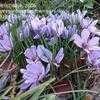
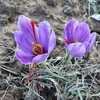
Saffron crocus (Crocus sativus) is the source of saffron, the world's most expensive spice by weight. This autumn-blooming crocus produces lilac-purple flowers with three vivid orange-red stigmas—the saffron threads—harvested by hand. Cultivated for over 3,500 years, it is sterile and propagated only by corm division.
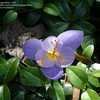
Cormous perennial 10–15 cm tall. Leaves are grass-like, appearing after flowers or in spring. Flowers are goblet-shaped, lilac-purple with darker veins, 3–5 cm wide. The three stigmas are 2–3 cm long, deep orange-red, drooping over the petals. Blooms October–November.
| Family: | Iridaceae (eye-rid-AY-see-ee) |
| Genus: | Crocus (KROH-kus) |
| Species: | sativus (sa-TEE-vus) |
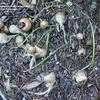
Plant corms 10 cm deep, 10 cm apart, in late summer. Each corm produces 1–3 flowers. Harvest stigmas mid-morning on a dry day the day flowers open. Dry gently; 150–200 flowers yield 1 g saffron. Divide corms every 3–4 years.
Culinary: Paella, risotto, bouillabaisse, breads, teas. Medicinal: Traditional antidepressant, antioxidant. Dye: Golden-yellow textile dye.
Chervil (Anthriscus cerefolium): Delicate Anise-Flavored Herb for Spring
Fenugreek (Trigonella foenum-graecum): Ancient Spice and Medicinal Legume
Goldenseal (Hydrastis canadensis): Endangered Native Medicinal Herb of Eastern Forests
Dill (Anethum graveolens): Classic Culinary Annual
Caraway (Carum carvi): Biennial Spice and Medicinal Seed
Common Myrtle (Myrtus communis): Fragrant, Evergreen Mediterranean Shrub for Topiary and Hedges
Anise (Pimpinella anisum): Sweet, Licorice-Flavored Annual for Seeds and Leaves
Hosta plantaginea: The Fragrant Species with Giant White Flowers
Comfortroot (Hibiscus aculeatus)
Licorice (Glycyrrhiza glabra): The Sweet Root of Herbal Medicine and Confectionery
Dorstenia bahiensis: Unusual Tropical Fig Relative with Shield-Shaped Flowers
Catstongue (Priva lappulacea): Tropical Groundcover with Sticky Seeds
Sesame (Sesamum indicum): Ancient Oilseed Crop for Seeds and Oil
Copyright © www.100flowers.win Botanic Garden All Rights Reserved