


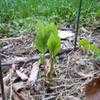
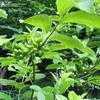
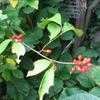
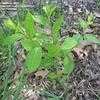
Spicebush (Lindera benzoin) is a deciduous native shrub of eastern North American woodlands. It blooms in early spring with clusters of tiny, fragrant yellow flowers before leaves emerge, followed by glossy red berries in fall. The leaves and twigs have a spicy, citrusy aroma when crushed.
| Family: | Lauraceae (law-RAY-see-ee) |
| Genus: | Lindera (lin-DEER-ruh) |
| Species: | benzoin (ben-ZOH-in) |
Grows 6–12 feet tall and wide with a rounded habit. Dioecious (male and female plants); need both for berries. The berries are high in fat, crucial for migrating birds. Host plant for spicebush swallowtail butterfly.
Part to full shade, moist, well-drained, acidic soil. Plant male and female for fruit. Difficult to transplant; buy container-grown. Hardy in USDA zones 4–9.
Sweet Fern (Comptonia peregrina): Native Nitrogen-Fixer with Fern-Like Foliage
Chervil (Anthriscus cerefolium): Delicate Anise-Flavored Herb for Spring
Round Leaf Mint Bush (Prostanthera rotundifolia): Australian Native with Aromatic Foliage
Fenugreek (Trigonella foenum-graecum): Ancient Spice and Medicinal Legume
Goldenseal (Hydrastis canadensis): Endangered Native Medicinal Herb of Eastern Forests
Tropical Hibiscus 'Spice Island': Black's 2009 Exotic Aroma
Common Myrtle (Myrtus communis): Fragrant, Evergreen Mediterranean Shrub for Topiary and Hedges
Anise (Pimpinella anisum): Sweet, Licorice-Flavored Annual for Seeds and Leaves
Licorice (Glycyrrhiza glabra): The Sweet Root of Herbal Medicine and Confectionery
Dorstenia bahiensis: Unusual Tropical Fig Relative with Shield-Shaped Flowers
Catstongue (Priva lappulacea): Tropical Groundcover with Sticky Seeds
Sesame (Sesamum indicum): Ancient Oilseed Crop for Seeds and Oil
Copyright © www.100flowers.win Botanic Garden All Rights Reserved