


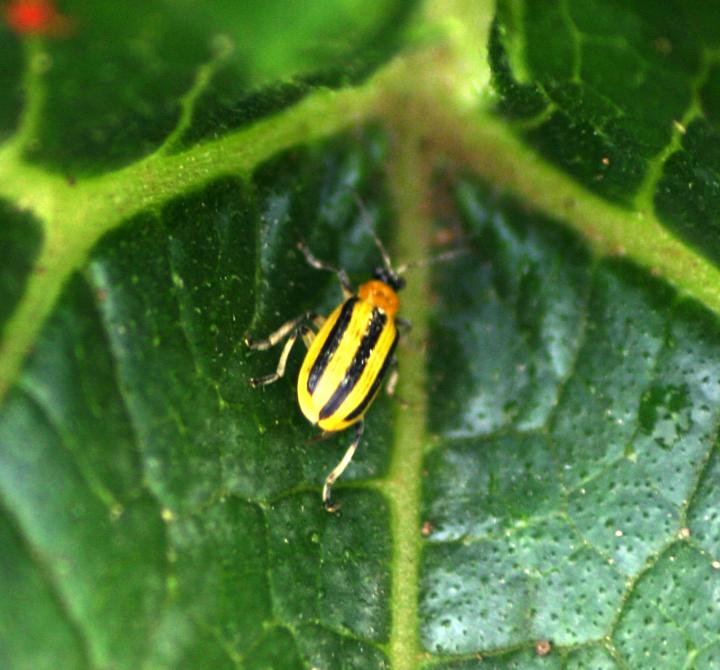
Cucumber Beetles: Identification, Control & Prevention
Cucumber beetles (striped or spotted) attack cucurbits: cucumbers, squash, pumpkins, beans. Found throughout US. Early season: feed on emerging seedlings, often killing them. Larvae feed roots; adults chew leaves, vines

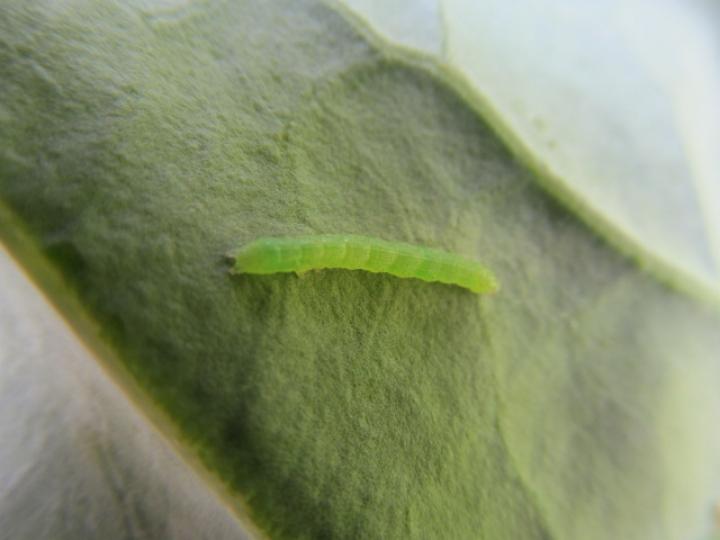
Cabbage Worms: Identification, Control & Prevention
Cabbage worms (imported cabbageworms, larvae of Pieris rapae white butterflies) target cabbage, kale, cauliflower, broccoli. Minor leaf holes are tolerable; real damage occurs during seedling establishment and early hea
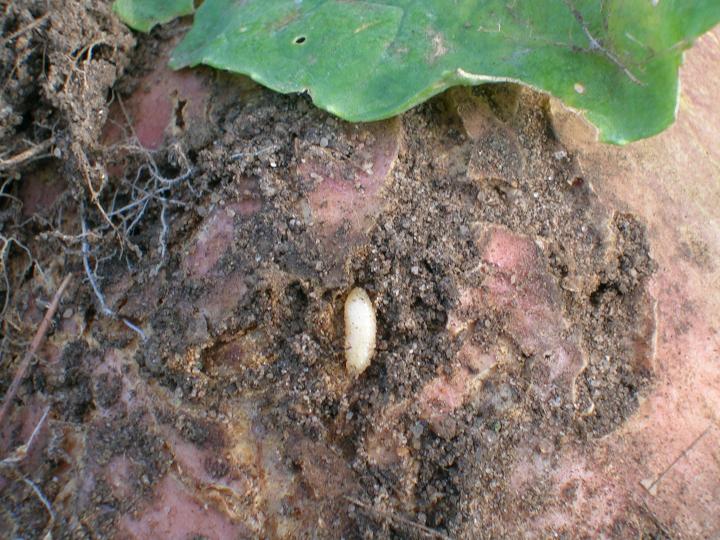
Cabbage Root Maggots: Identification, Control & Prevention
Cabbage root maggots (larvae of the cabbage root fly) attack cole crops: cabbage, cauliflower, broccoli, Brussels sprouts. Other root maggots target carrots, onions. Prominent in northern zones; difficult to control as
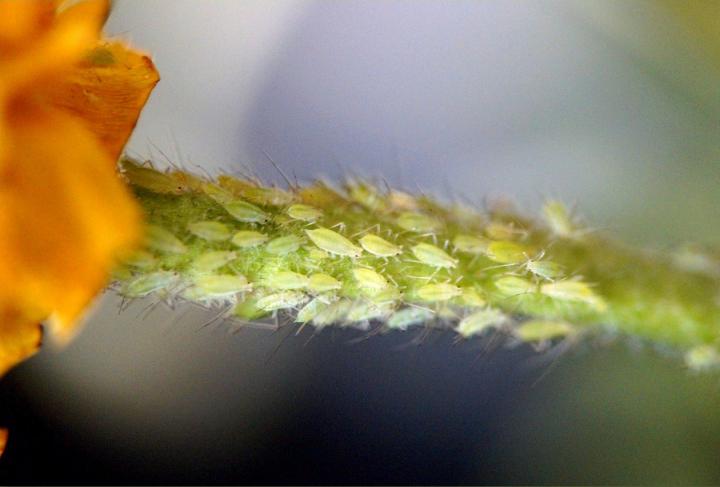
Aphids: Identification, Control & Prevention for Garden Pests
Aphids are small, soft-bodied insects infesting gardens in every zone. They reproduce rapidly—many generations per season—but move slowly and are relatively easy to manage if caught early. Identification 1/16–1/8 long;
White Mold (Sclerotinia): Identification, Control & Prevention
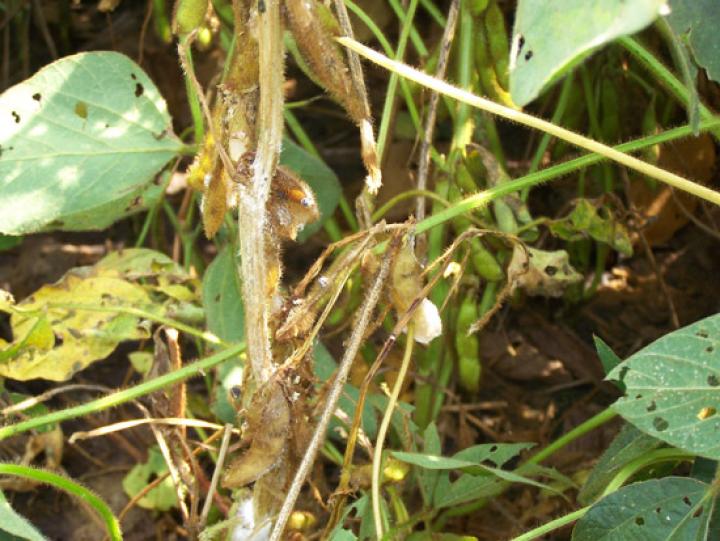
White mold (Sclerotinia) affects 360+ plants, including beans, peas, lettuce, and brassicas. On tomatoes its called timber rot. Symptoms: water-soaked spots on blossoms, stems, leaves, pods; wilting, yellowing, death; p
Rust Disease: Identification, Control & Prevention
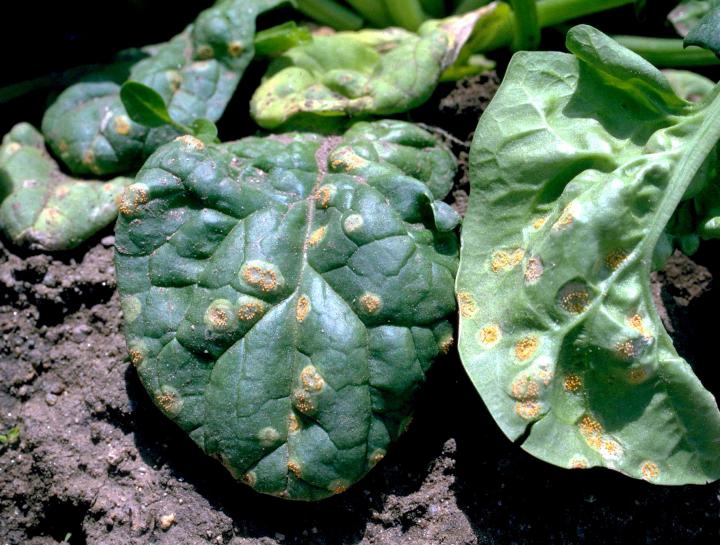
Rust is a fungal parasite requiring living hosts. It rarely kills but reduces vigor, health, and flower production across many woody and herbaceous plants. Spores spread by wind and water—wet surfaces enable infection.
Powdery Mildew: Identification, Control & Prevention
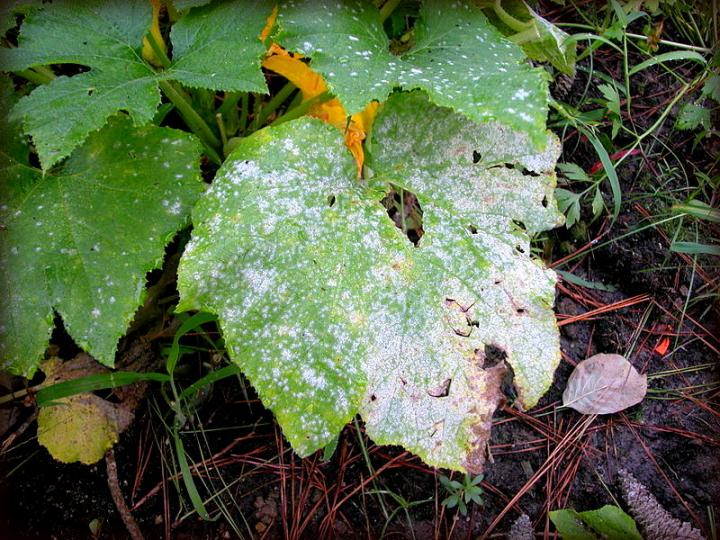
Powdery mildew coats plants in a white, flour-like dust. Unlike most fungi, it doesnt need free moisture—thriving in warmth and humidity. Spores spread on wind, weakening plants, reducing blooms, and potentially killing
Mosaic Viruses: Identification, Control & Prevention
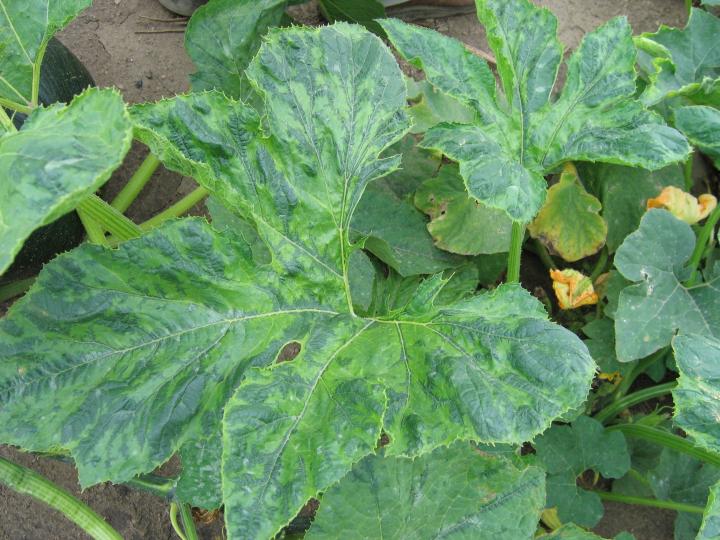
Mosaic viruses infect 150+ plant types, causing mottled yellow, white, and green leaf patterns. Common hosts: tomatoes, squash, cauliflower, cucumbers. Two major types: Cucumber mosaic virus (CMV): Spread by aphids; ca
Gray Mold (Botrytis): Identification, Control & Prevention
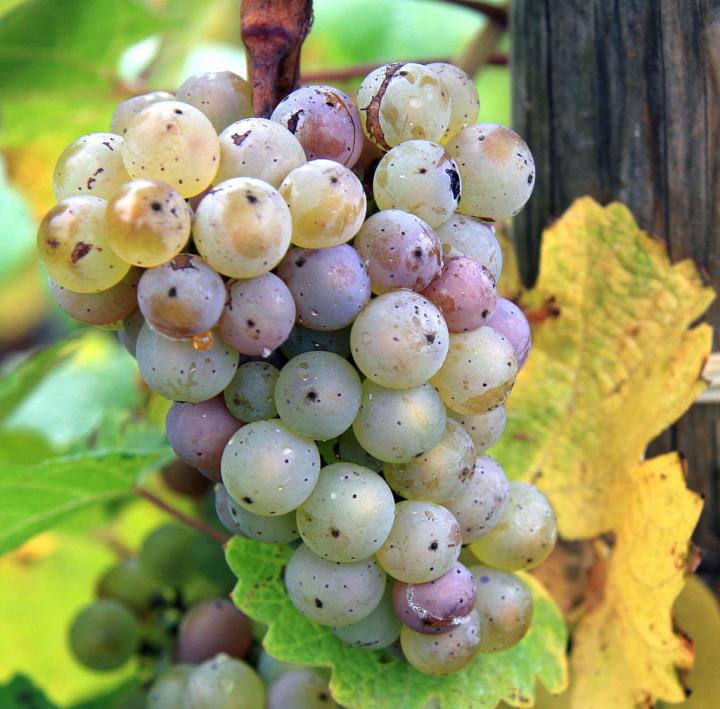
Gray mold (Botrytis cinerea) is a ubiquitous fungus attacking damaged or dying plant tissue, then spreading rapidly to healthy parts. Its one of the most common diseases in bedding plants. Moisture and plant injury are
Blossom-End Rot: Causes, Control & Prevention for Tomatoes
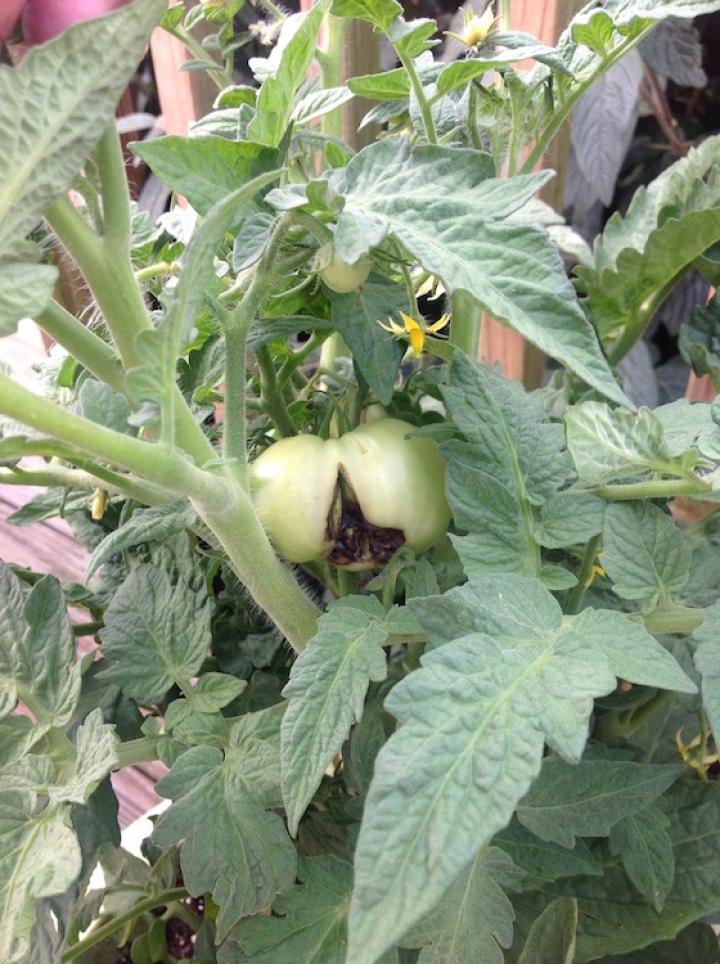
Blossom-end rot appears as a sunken, black or leathery brown spot on the bottom of tomatoes, peppers, eggplant, and squash. Its not a pathogen but a physiological disorder caused by calcium deficiency in developing frui
Anthracnose: Identification, Control & Prevention Guide
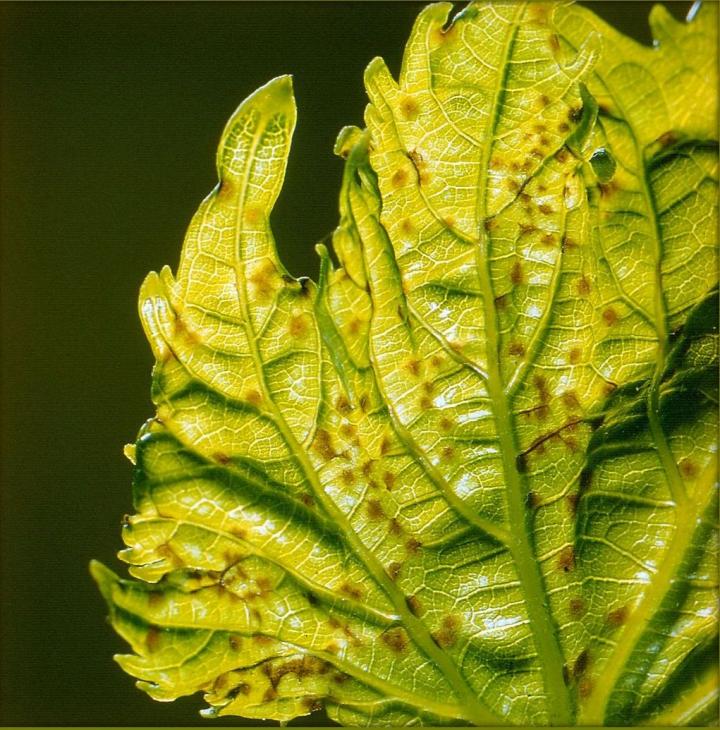
Anthracnose is a group of fungal diseases causing dark, sunken lesions on leaves, stems, flowers, and fruits of vegetables, fruits, and trees. It spreads rapidly in warm, wet conditions and overwinters on infected debri
7 Natural Ways to Keep Mosquitoes Away From Your Outdoor Party
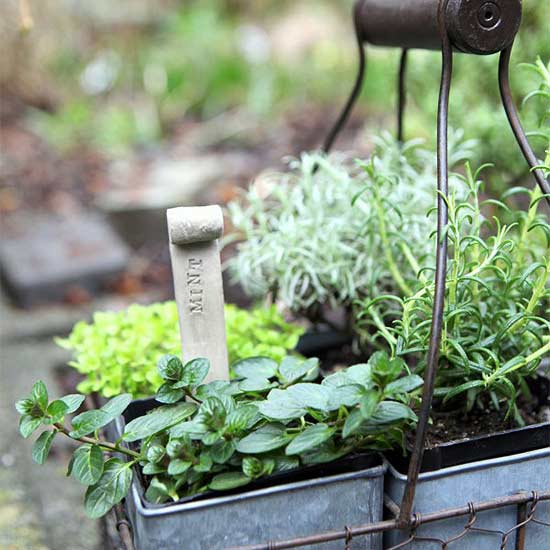
1. Plant a Repellent Garden Mosquitoes dislike citronella, lemon balm, basil, mint, rosemary, catnip, marigolds, lavender. Plant these around seating areas. Brush leaves to release oils onto skin and into air. 2. Make

Emerald Ash Borer: Identification, Signs, and Management Options
Once common in the eastern Midwest, ash trees are being decimated by the invasive emerald ash borer (EAB), a metallic green beetle from Asia. All Fraxinus species (green, white, blue ash) are susceptible. Adults feed on
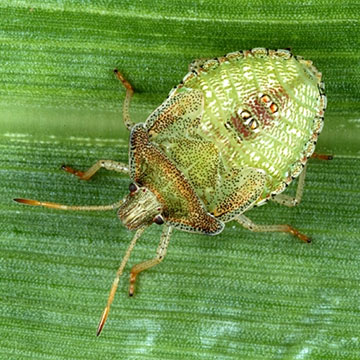
All About Stink Bugs: Identification, Damage, and Management
Stink bugs are shield-shaped, ~3/4 inch, green or brown with yellow/red/orange wing markings. They pierce leaves and fruit to suck sap, causing hard calluses on fruit, deformed young fruit, and distorted/scorched leaves.
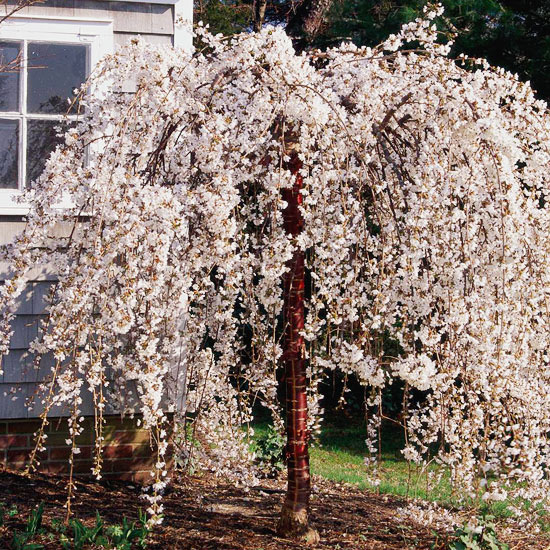
Diagnosing Common Tree Diseases and Insect Damage
Healthy, well-sited trees resist pests. When problems appear, theyre often linked to environmental stress. Heres a diagnostic guide by damage type. Leaf Damage Entire leaf eaten except midvein: Caterpillars, sawflies,
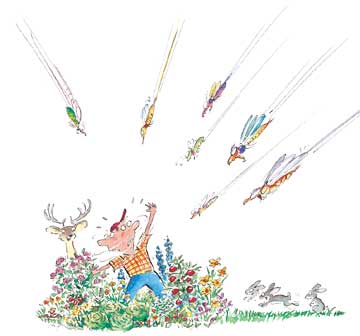
Operation Pest Control: Low-Tech, Effective Strategies for the Garden
Despite high-tech advances, pest control still relies on resourcefulness and persistence. In 1944, Better Homes and Gardens suggested whacking moles with a spade. Today, experts hang bags of human hair to deter deer and

Common Plant Diseases: Causes, Symptoms, and Prevention
Healthy plants are the norm; diseases strike when conditions favor pathogens. Understanding bacteria, fungi, and viruses helps you fight back. Disease Science 101 Water at the base to keep foliage dry. Bacteria (singl
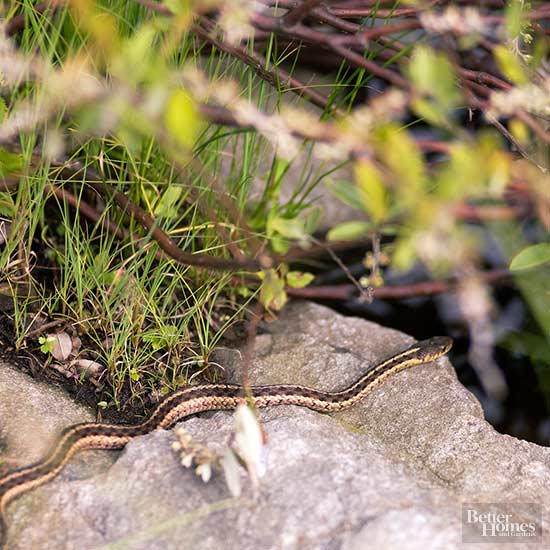
Garter Snakes: Fascinating Facts About These Common Garden Visitors
Length: 18-51 inches. Stripes: 3 total — one mid-back, two on sides with checkerboard pattern between. Teeth: 4 rows of small, backward-pointing teeth to swallow live prey. Reproduction: Live birth of ~18 young in late s
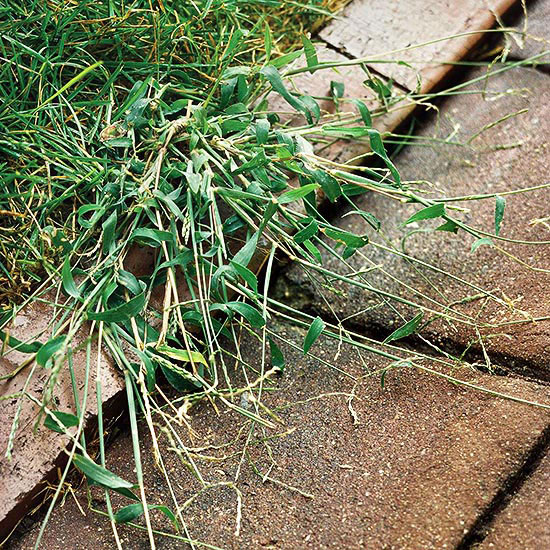
When to Apply Weed Preventers for Best Results
Product labels give general timing, but weather variations make precision tricky. Use natures cues for better accuracy. Lawn crabgrass preventer: Apply when forsythia blossoms start dropping in early spring. This shrubs
Dog-Proofing Your Garden: Digging, Plant Choices, and Compromise
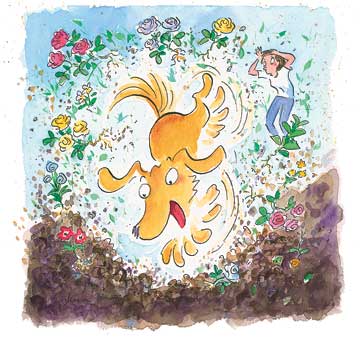
Stop the Digging Dogs dig instinctively. Fill holes with bricks and dirt — scraping claws on bricks discourages repeat digging. For lawn destruction, bury chicken wire deep and lay sod over it (makes future planting h
Copyright © www.100flowers.win Botanic Garden All Rights Reserved