


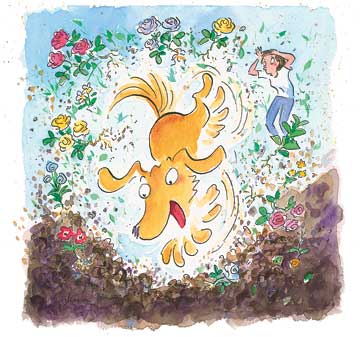
Dogs dig instinctively. Fill holes with bricks and dirt — scraping claws on bricks discourages repeat digging. For lawn destruction, bury chicken wire deep and lay sod over it (makes future planting hard). Cover persistent digging spots with brick squares topped by decorative planters.
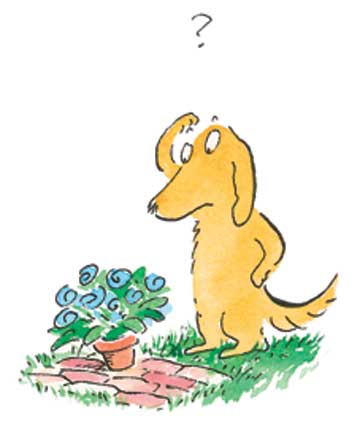
Herbs and pungent flowers release scent when trampled — a silver lining. Small-thorned bushes (barberry, hollies) deter some dogs. Avoid long, sharp thorns (yucca) that could injure eyes. Uncomfortable mulch like pinecones discourages even determined dogs.
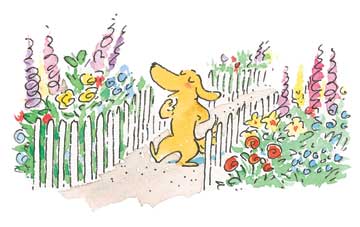
Turn the dog's favorite path into a decorative walkway lined with raised beds or ornamental fencing. Give the dog a private, partially shaded area with a sandpit for digging, safe toys, and a flat-roof doghouse for surveying. If you have a stockade fence, leave a small window for viewing. Experiment to find what works — keep your sense of humor.
Planning a Productive Vegetable Garden Layout
Raised Vegetable Garden Layout: Benefits, Drawbacks, and Getting Started
The Flower Garden in Mid-Summer: Peak Display, Watering, and Greenhouse Management
The Country Garden: Blending with the Landscape
Stopping Cats in the Garden: Humane Solutions
Using Red in the Garden: Color Theory & Design Tips
Designing with White in the Garden: Versatility, Combinations, and Night Appeal
Pill Bugs in Garden: Not Plant Eaters
Deer-Resistant Rose Gardening in Maryland: Expert Resource
Clear vs. Black Plastic Mulch for Melons and Cucumbers
Clear Plastic Mulch for Melons: Heat Risk & Cross-Pollination
Creating a Rooftop Garden Oasis: From Planning to Paradise
The Vital Importance of Flowers in Nature and Human Life
Moles: Identification, Control & Prevention in Lawn & Garden
Copyright © www.100flowers.win Botanic Garden All Rights Reserved